

Gaganyaan: India's Giant Leap into Human Spaceflight
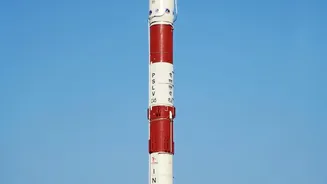
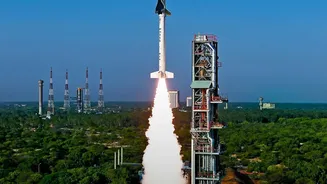
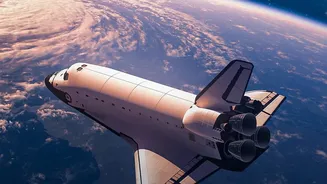
The Gaganyaan programme is arguably ISRO's most awaited endeavour, aiming to make India the fourth country in the world to independently send humans into space. The mission involves launching a crew of two to three astronauts into a 400 km orbit for a period
of up to three days. The first uncrewed flight, Gaganyaan-1, is planned for the second half of 2026 and will carry a humanoid robot named Vyommitra to validate all systems. This will be followed by further test flights before the first crewed mission, currently targeted for 2027. The four astronaut-designates, all experienced Indian Air Force pilots, were selected in 2024. Gaganyaan is more than just a single mission; it represents the development of a completely new ecosystem of technologies, from a human-rated launch vehicle (HLVM3) to life support systems and crew escape protocols, laying the foundation for a future Indian space station.
Shukrayaan-1: Unveiling the Secrets of Venus
Next on the interplanetary agenda is Shukrayaan-1, India’s maiden voyage to our planetary neighbour, Venus. Often called Earth's "twin" due to its similar size, Venus is a hostile world with a thick, toxic atmosphere and crushing surface pressure. With a potential launch window in 2028, the mission aims to study the planet's mysterious geology and super-rotating atmosphere. Shukrayaan-1 will carry a suite of scientific instruments, including a high-resolution synthetic aperture radar to peer through the dense clouds and map the surface in unprecedented detail—a feature that could reveal ongoing volcanic activity. By understanding why Venus turned into a runaway greenhouse, scientists hope to gain valuable insights into planetary evolution and climate change on Earth. The mission is also a significant step in India's deep-space exploration capabilities after the success of its Mars orbiter.
Mangalyaan-2: A Bold Return to the Red Planet
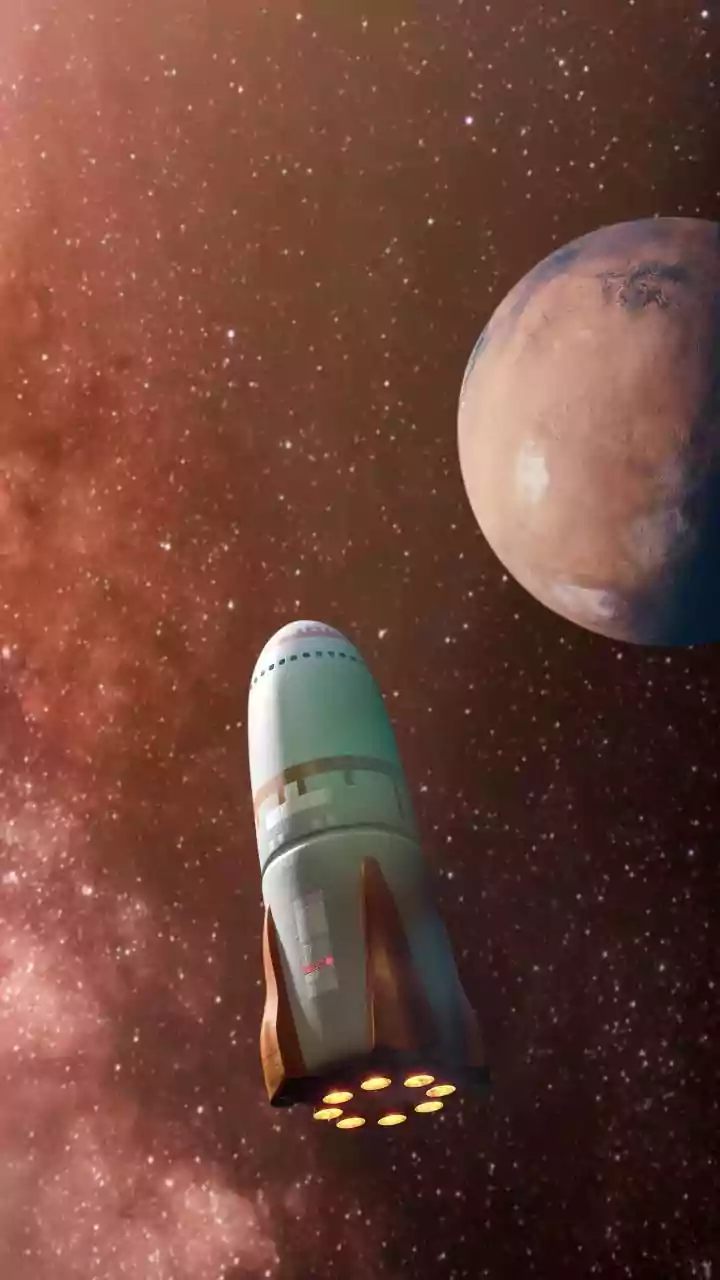
Building on the monumental success of the Mars Orbiter Mission (Mangalyaan), which made India the first nation to reach Martian orbit on its first attempt, ISRO is planning a far more ambitious sequel. Confirmed for a 2030 launch, Mangalyaan-2, or the Mars Lander Mission, will be India's first attempt to soft-land on the Martian surface. Unlike its predecessor, this mission is expected to include not just an orbiter but also a lander and potentially a rover and a helicopter. The primary objectives are to study the Martian surface composition, atmosphere, and environmental conditions. A successful landing would place India in an elite club of nations that have operated spacecraft on Mars, further demonstrating the country's growing prowess in complex interplanetary missions.
NISAR: A Global Partnership to Watch Over Earth
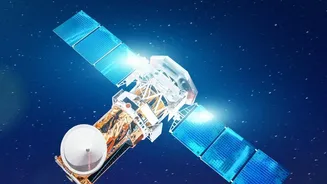
The NASA-ISRO Synthetic Aperture Radar (NISAR) mission is a landmark collaboration in Earth observation. Launched in July 2025 and now in its science phase, NISAR is the first satellite to use two different radar frequencies (L-band and S-band) to create incredibly detailed maps of Earth's surface. It scans the entire globe every 12 days, observing changes in ecosystems, ice sheets, and the planet's crust with remarkable precision. The data from NISAR is crucial for understanding the effects of climate change, managing natural resources, and providing rapid response information for disasters like earthquakes, volcanic eruptions, and landslides. This joint mission underscores India's role as a critical partner in global science initiatives, contributing vital data for the benefit of humanity.
Aditya-L1: India’s Eye on the Sun
While already operational, the Aditya-L1 mission's ongoing science phase makes it a key part of ISRO's future. As India's first dedicated solar observatory, it continuously watches the Sun from a strategic vantage point 1.5 million kilometres from Earth. With the Sun approaching its 'solar maximum' in 2026—a peak in its 11-year activity cycle—Aditya-L1's role becomes even more critical. Its instruments are providing new insights into solar flares, coronal mass ejections, and how these powerful events create space weather that can impact satellites and power grids on Earth. The mission has already published several breakthrough findings, cementing India's position as a significant contributor to global solar physics and space weather research.