


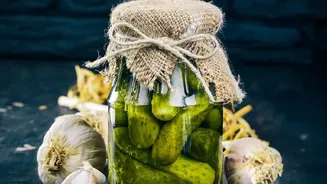
More Than Just Waste
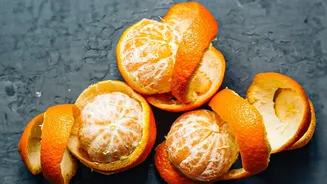
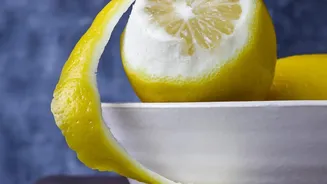
In the quest for a more sustainable kitchen, reducing food waste is a powerful first step. Every time you squeeze a lemon for its juice, you’re left with the peel, which often ends up in the bin. But these peels are bursting with aromatic essential oils
and intense citrus flavour. Preserving them is a time-honoured tradition, particularly in North African and Middle Eastern cuisines, that turns a would-be leftover into a culinary asset. By saving and transforming your lemon peels, you not only get a delicious condiment for next to nothing but also take a meaningful step toward a zero-waste cooking practice. It’s a thrifty, flavourful, and sustainable choice that makes the most of the entire fruit.
The Gut-Friendly Connection Explained
The magic behind these preserves lies in lacto-fermentation, one of the oldest and safest methods of preserving food. When you pack the lemon peels with salt, the salt draws out water from the peels, creating a natural brine. This salty, acidic environment is the perfect breeding ground for beneficial bacteria, particularly of the Lactobacillus variety. These microbes consume the natural sugars in the fruit and produce lactic acid, which acts as a natural preservative and gives the lemons their characteristic tangy, complex flavour. These beneficial bacteria are also known as probiotics, which can help support a healthy gut microbiome, aid digestion, and reduce inflammation. The fermentation process can even make the nutrients in the lemons, like Vitamin C, more bioavailable for your body to absorb.
What You Will Need
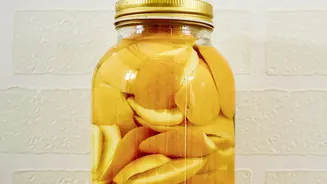
The beauty of this recipe is its simplicity. You don't need any special equipment or hard-to-find ingredients. All you need are the peels from several organic lemons, a good amount of kosher or sea salt, and a clean glass jar with a tight-fitting lid. It’s best to use organic lemons since you’ll be eating the peel, which is where pesticide residues can accumulate. Some recipes call for adding extra fresh lemon juice to ensure the peels stay submerged, so having a few extra whole lemons on hand is a good idea. That’s it. With just these basics, you're ready to start your fermentation journey.
Step-by-Step: Creating Your Preserves
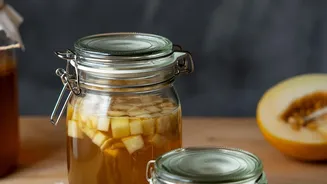
The process is straightforward. Start by collecting the peels from your juiced lemons; you can store them in the fridge or freezer until you have enough to fill a jar. Once you're ready, take your clean glass jar and place a layer of salt, about half an inch thick, on the bottom. Slice your lemon peels into strips or leave them in halves. Place a layer of peels on top of the salt, then cover them with another layer of salt. Repeat this process—peels, then salt—until the jar is nearly full, pressing down firmly to help release any remaining juice. Finish with a final layer of salt on top to ensure everything is well-covered. If there isn’t enough liquid to cover the peels, top it off with freshly squeezed lemon juice. Seal the jar tightly and leave it at room temperature, out of direct sunlight, for a few weeks to allow the fermentation to work its magic.
Patience and How to Use Them
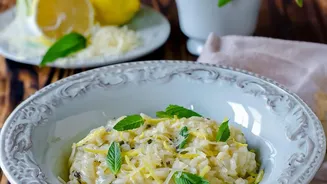
After about three weeks, the peels will have softened and the bright yellow colour will have mellowed. This is a sign that your preserves are ready. Before using, take out a piece of the peel, give it a quick rinse to remove excess salt, and finely chop it. Most recipes call for just the rind, but the pulp is also edible. The flavour is intensely lemony, salty, and complexly savoury—a little goes a long way. Finely minced preserved lemon peel can elevate almost any dish. Stir it into salad dressings, yoghurt sauces, or hummus for a bright kick. Toss it with roasted vegetables, add it to marinades for chicken or fish, or fold it into grain bowls and stews to add an incredible depth of flavour. Think of it as a briny, citrusy equivalent to capers or olives.