

The Bombshells That Reopened Old Wounds
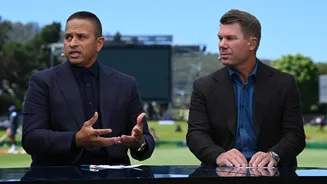
The controversy was reignited by claims in former Test batsman Usman Khawaja’s new autobiography, ‘Sabr’. Khawaja alleges that the plot to use sandpaper to alter the ball during the 2018 tour of South Africa was common knowledge among the entire touring
party, including players and staff. He claims the practice even began in the Test match prior to the one in Cape Town where the scandal erupted. David Warner, who was painted as the architect of the plan, has since backed Khawaja's account as ‘100 per cent accurate’. This directly prompted Cameron Bancroft, the player caught with the sandpaper, to break his long silence. In a column for The West Australian, Bancroft backed Khawaja, stating definitively, 'It was the whole team'. He confessed to withholding crucial details from the initial investigation to protect his teammates, a decision seemingly reversed after current captain Pat Cummins dismissed Khawaja’s claims as irresponsible.
Rewind: The Cape Town Catastrophe
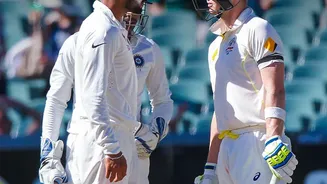
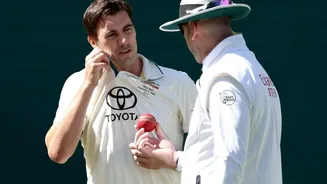
For those who need a reminder, the incident known as Sandpapergate occurred in March 2018 during the third Test against South Africa. Television cameras captured opening batsman Cameron Bancroft attempting to rough up one side of the ball with a yellow object, which he then hastily hid in his trousers. In the ensuing press conference, a shell-shocked captain Steve Smith admitted to a preconceived plan hatched by the team’s ‘leadership group’. An investigation by Cricket Australia concluded that only three players were involved: Smith, vice-captain David Warner, and Bancroft. The sanctions were severe and unprecedented: one-year bans for Smith and Warner, and a nine-month suspension for Bancroft, sending shockwaves through the sport.
The Lingering Question: Who Really Knew?
The official narrative that only three players were culpable has always been met with scepticism in cricketing circles. Bowlers, in particular, are famously attuned to the condition of the ball, their primary tool of the trade. The idea that a ball had been artificially altered without their knowledge struck many as implausible. Khawaja’s book gives voice to this doubt, claiming that after one instance of tampering, a bowler remarked how much the ball was swinging. He says he argued at the time for the whole team to accept collective responsibility, but his plea was rejected. Bancroft’s new statement that he withheld information about the wider involvement of others confirms that the official inquiry may not have uncovered the full story.
A Divided Locker Room
These new claims create a deeply uncomfortable situation, pitting former teammates against current ones. The four main bowlers from that 2018 Test—Pat Cummins, Mitchell Starc, Josh Hazlewood, and Nathan Lyon—issued a joint statement in 2021 firmly denying any prior knowledge of the plot. Cummins has again strenuously denied Khawaja’s version of events. This sets up a direct conflict of accounts. On one side are Khawaja, Warner, and now Bancroft, alleging widespread knowledge. On the other are members of the bowling unit and the former coach, Darren Lehmann, who maintain their ignorance of the specifics of the sandpaper plan. The fracture lines within that infamous touring party are now exposed for all to see.
Cricket Australia's Search for a 'Circuit Breaker'
In response to the fresh turmoil, Cricket Australia has announced it will not reopen the 2018 investigation. Instead, it plans to establish an independent forum for all players and staff from that tour to share their perspectives in a confidential, ‘safe space’. The governing body has called this a ‘circuit breaker’, designed to allow everyone to have their voice heard without the threat of new sanctions. However, both Khawaja and Warner have expressed scepticism about whether a closed-door forum can deliver true transparency, questioning whether the full truth will ever be made public.