






The TikTok Time Machine
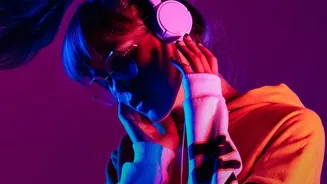
The single biggest driver behind this retro-revival is short-form video. Platforms like TikTok have become the world's most influential music discovery engines. A 15-second clip can take a snippet of a song, strip it of its original context, and give
it a completely new life. This is exactly what happened with Fleetwood Mac's "Dreams." In late 2020, a video of a man skateboarding while drinking cranberry juice and vibing to the song went viral. The result? The 1977 hit re-entered the Billboard charts and saw its streaming numbers skyrocket, introducing the band to millions of young listeners who were drawn to the mood, not the release date. Similarly, Kate Bush's 1985 art-pop classic "Running Up That Hill" found a massive new audience after being featured prominently as a key plot device in the Netflix series 'Stranger Things'. The song's use in the show propelled it to number one on global charts, turning it into a viral sound on TikTok and demonstrating how screen culture can re-contextualize older music for a new generation.
Algorithms Don't Care About Age
Beyond viral moments, the very structure of modern music consumption has erased generational divides. Streaming services like Spotify and Apple Music use complex algorithms to curate playlists. These systems are designed to recommend songs based on your listening habits, focusing on mood, genre, and tempo rather than the year a song was released. If you listen to a lot of melancholic indie pop from this year, the algorithm might logically serve you a track from The Smiths or The Cure from the 1980s. For Gen Z, who have grown up with these platforms, music discovery is not a linear path through history. It’s a vast, interconnected web where a song from 1975 can sit comfortably next to a release from last week. The algorithm acts as a great equalizer, flattening time and prioritizing the "vibe" above all else.
Nostalgia for a Time You Never Knew
There's also a powerful psychological element at play. Younger listeners are experiencing what is sometimes called "anemoia"—a nostalgia for a time they've never lived through. Music from the '80s, '90s, and early 2000s can represent a perceived simpler, pre-social media era. For a generation dealing with unique modern pressures, older music can serve as a form of escapism and a source of comfort. Studies have shown that listening to music that evokes nostalgic feelings can increase feelings of social connectedness and strengthen one's sense of meaning in life. It taps into a desire for authenticity and emotional honesty that many listeners feel is present in older songwriting, from the raw emotion of '90s grunge to the heartfelt storytelling of '70s singer-songwriters.
Good Music is Just Good Music
Finally, there’s the simplest explanation of all: some songs are timeless. Great songwriting, compelling melodies, and powerful emotional resonance don’t have an expiration date. When a younger listener hears a perfectly crafted pop song by ABBA or a revolutionary rock anthem by Queen, they are reacting to the same fundamental qualities that made those songs hits in the first place. The cultural context might have changed, but the core appeal of the music has not. This enduring quality is often amplified by what could be called passive discovery—hearing your parents' favorite songs in the car, or recognizing tracks from iconic movie soundtracks and video games. This creates a baseline of familiarity, so when a song reappears on TikTok or a Spotify playlist, it feels less like a discovery and more like a welcome rediscovery.