

The Serving Size Illusion
The first number you should look at on any packaged food is not the calorie count—it is the serving size. All the nutritional information that follows, from fat to sugar to protein, is based on this single amount. The problem is that the manufacturer's
idea of a serving size is often much smaller than what a person would typically eat in one sitting. This gap between the listed serving size and your actual consumption is one of the biggest sources of error when trying to make healthy choices. A small bag of chips or a seemingly single-serve beverage might actually contain two or three servings. By using an unrealistically small serving size, companies can make the calorie, sugar, and fat content appear much lower and more appealing, a practice sometimes called "health framing".
Do the Maths: How to Calculate the Real Cost
To get an accurate picture, you need to do a little simple multiplication. First, check the serving size at the top of the nutrition panel. Next, look for the 'servings per container' number. If you plan to eat the entire package, you must multiply all the nutrient values by the number of servings in it. For example, a packet of biscuits might state that one serving is just three biscuits, containing 132 calories. If you typically have six with your evening tea, you are consuming double the listed calories and sugar. This simple step reveals the true nutritional cost of what you are about to eat, moving beyond the marketing on the front of the box.
Common Culprits in Your Shopping Trolley
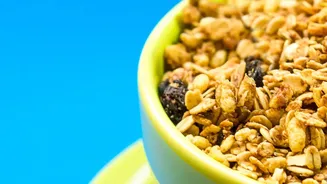
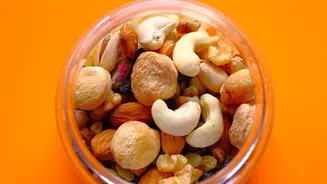
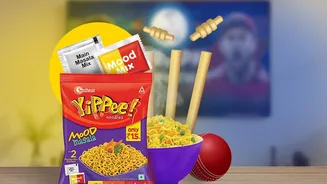
This serving size trap is common across many food categories. Breakfast cereals, granola, and trail mixes are famous for listing tiny serving sizes that no one actually adheres to, making them seem more diet-friendly than they are. Instant noodles, juices, and salted snacks are also frequent offenders. A small 500ml bottle of a sweetened beverage is often listed as containing 2 or 2.5 servings, meaning you need to double or triple the sugar content to understand what you consume if you drink the whole bottle. A packet of chips might list 130 calories per serving, but if the whole packet contains three servings, finishing it means consuming nearly 400 calories. The Indian Council of Medical Research (ICMR) has pointed out that these labels can be misleading, urging consumers to read them carefully.
A Fair Comparison: Use the 'Per 100g' Column
When you want to compare two different brands of the same product—like two types of breakfast cereal or two brands of bhujia—the 'per serving' column can be misleading if their serving sizes differ. The best way to make a true apples-to-apples comparison is to use the 'per 100g' or 'per 100ml' column. The Food Safety and Standards Authority of India (FSSAI) mandates that nutritional information be provided per 100g or 100ml, which standardises the data. This allows you to ignore the confusing serving sizes and directly compare the amount of sugar, sodium, and saturated fat in each product to see which one is genuinely the healthier option.
Looking Beyond Calories
Once you have mastered checking the serving size, apply the same principle to other key nutrients. High amounts of added sugar, sodium, and saturated fat are major concerns for long-term health. Experts suggest that a food with more than 10-15g of sugar per 100g should be considered high in sugar. For sodium, anything above 400-600mg per 100g is considered high. Pay attention to the ingredients list as well. Ingredients are listed by weight, so if sugar, maida (refined flour), or palm oil are among the first three ingredients, the product is likely not as healthy as its packaging claims, regardless of what the serving size suggests.