





From Heaped Platters to Bespoke Bites
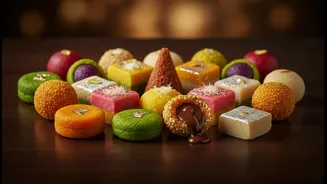
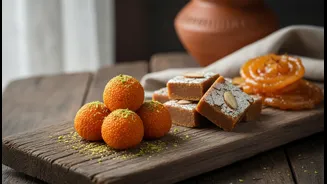
For generations, Indian sweets, or mithai, have been synonymous with abundance and celebration. The traditional halwai shop is a place of sensory overload—bright colours, the rich aroma of ghee and sugar, and sweets piled high. The experience was about
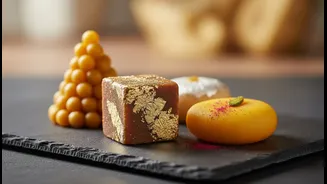
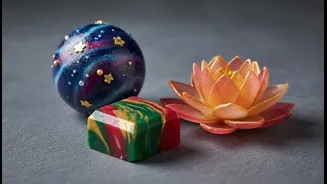
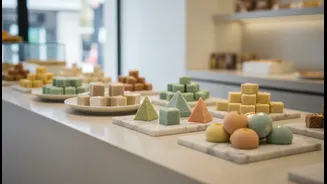
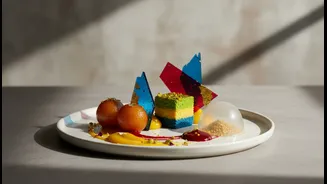
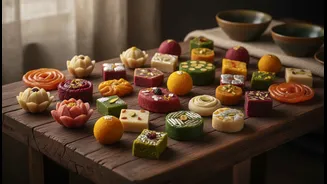
generosity and shared joy, often bought by the kilo for festivals and family gatherings. While this charm is timeless, a new sensibility is emerging, driven by a generation that values experience as much as tradition. The focus is shifting from quantity to artisanal quality, where each piece of mithai is treated not as a bulk commodity, but as a carefully crafted creation. This new approach mirrors the world of fine patisserie, offering smaller portions, complex flavours, and a presentation that is as delightful to the eyes as it is to the palate.
A New Philosophy of Sweetness
At the heart of this transformation is a change in philosophy. Modern mithai makers are responding to a growing demand for healthier, more refined options. This often means a conscious reduction in sugar, allowing the natural flavours of high-quality ingredients to shine through. Think single-origin cacao, organic nuts and seeds, seasonal fruits, and natural sweeteners like dates and jaggery. Brands like Arq Mithai and Bombay Sweet Shop are pioneering this movement, handcrafting their products with an emphasis on fresh, ethically sourced, and often local produce. The result is a collection of sweets that feel both indulgent and mindful, appealing to a contemporary palate that seeks balance without sacrificing flavour. The packaging too has received a luxurious, eco-conscious makeover, with many brands opting for beautiful, plastic-free and recyclable boxes that make gifting an art form.
Global Techniques, Indian Soul
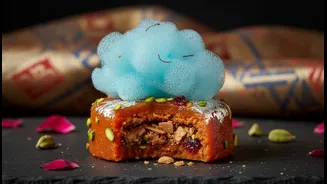
This new wave of confectioners is not abandoning tradition, but rather building upon it with global culinary techniques. Many chefs behind these brands come from backgrounds in French pastry, and they are applying that precision and artistry to Indian flavours. This fusion creates exciting new forms and textures. Imagine a besan ladoo with a liquid chocolate ganache centre, a Mathura peda with a dulce de leche core, or a coffee-flavoured milk cake. MasterChef Ajay Chopra's Kshir & Canelé, for example, explicitly marries Indian mithai with French pastry concepts. This interplay of techniques results in delightful surprises: a cardamom crème brûlée, a gajar halwa tart, or even rasmalai tres leches. The goal isn't to create a gimmick, but to elevate the essence of a beloved flavour into a new, memorable experience, preserving the soul of the sweet while giving it a modern form.
The Architects of Modern Mithai
Several brands are at the forefront of this sweet revolution. Bombay Sweet Shop, from the team behind acclaimed restaurants like The Bombay Canteen, was inspired by the luxury of Turkish Delight boutiques and aimed to give Indian sweets a similar global appeal. They are known for playful creations like a chocolate barfi bark and kulfi softies, all presented in a vibrant, Instagram-worthy setting. Delhi-based Arq, founded by chefs Neha Lakhani and Ashay Dhopatkar, combines age-old family recipes with French finesse, creating unique items like caramel pedha and besan truffles. Other innovators like Genda Phool offer creations like a Tropical Delight with pineapple and coconut sugar, while Nihira is known for unconventional options including mojito ladoos. These brands are not just selling sweets; they are curating experiences and making mithai a subject of cultural conversation once more.