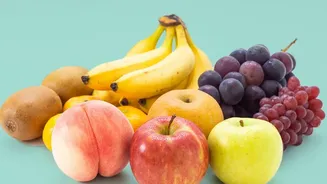







What is Dietary Fibre?
Before we compare, it's essential to understand what fibre is. Dietary fibre is a type of carbohydrate that our bodies can't digest. It passes through our digestive system largely intact. There are two main types, and most plant foods contain a mix of both.
Soluble fibre dissolves in water to form a gel-like substance, which can help lower cholesterol and blood sugar levels. Insoluble fibre does not dissolve in water; it adds bulk to stool and helps food pass more quickly through the digestive system, which aids in preventing constipation. Fruits are a fantastic source of both types of fibre, which is crucial for digestive health, weight management, and reducing the risk of chronic diseases like heart disease and type 2 diabetes.
The Juicing Process: Where Does the Fibre Go?
The fundamental difference between juice and whole fruit comes down to the mechanics of juicing. When a fruit is juiced, the machine separates the liquid from the solid parts — the skin, seeds, and, most importantly, the pulp. This pulp is where the majority of the fruit's beneficial fibre, particularly the insoluble kind, is located. What's left behind is essentially sugar water with vitamins and minerals. For example, a whole orange contains a significant amount of fibre, whereas a glass of orange juice has very little to none. While some soluble fibre might remain in the liquid, the bulk of the fibre that makes whole fruits so healthy is discarded.
The Impact on Blood Sugar
This loss of fibre has a major consequence for how your body processes sugar. In a whole fruit, the fibre acts as a natural barrier, slowing down the absorption of the fruit's natural sugars (fructose) into your bloodstream. This leads to a gradual, stable rise in blood sugar. Without fibre, the sugar in fruit juice hits your system all at once, causing a rapid spike in blood glucose and insulin levels. Over time, this can be problematic. Studies have shown that while higher consumption of whole fruits like apples and grapes is linked to a lower risk of type 2 diabetes, a higher intake of fruit juice is associated with an increased risk.
Satiety and Weight Management
Fibre doesn't just manage blood sugar; it also helps you feel full. Eating a whole apple requires chewing and takes time. This process, combined with the fibre's bulk in your stomach, sends signals to your brain that you're full, which can help control overall calorie intake. You can drink a glass of juice, which might contain the sugar of three or four oranges, in under a minute without feeling satisfied. This lack of satiety makes it easy to overconsume calories from juice, which can contribute to weight gain over time.
What About Vitamins and Nutrients?
It's true that fresh juice contains vitamins and minerals, like Vitamin C. However, the juicing process can lead to some nutrient loss, as many beneficial antioxidants and compounds are bound to the fibre in the pulp and skin that gets thrown away. Furthermore, think of the quantity. To get a full glass of juice, you use far more fruit than you would typically eat in one sitting, leading to a much higher concentration of sugar and calories. A whole fruit offers a complete package of vitamins, minerals, antioxidants, and fibre, all working together synergistically.