


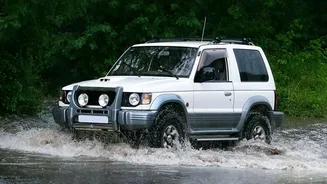
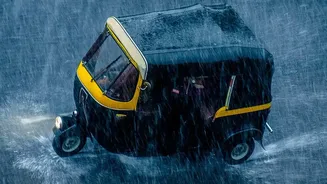
Your Vehicle’s Monsoon Health Check
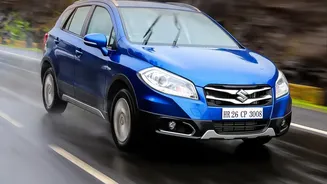
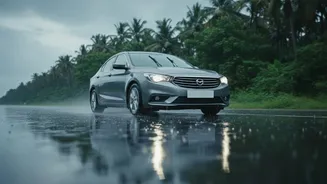
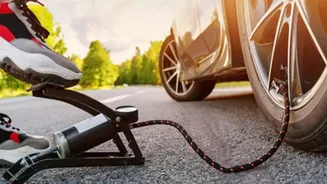
Your car or two-wheeler is your first line of defence against the elements, and its readiness is non-negotiable. Before the season gets into full swing, a thorough check is essential. Start with the tyres, which are your only contact with slick, unpredictable
roads. Ensure they have adequate tread depth—at least 2-3mm is recommended to prevent skidding and aquaplaning on wet surfaces. Next, inspect your brakes. Their performance is critical on wet roads where stopping distances increase significantly. Equally important for visibility are your wiper blades. If they are hardened from the summer heat and leave streaks, replace them immediately for a clear view through heavy downpours. Finally, test all your lights: headlights, tail lights, and indicators. Poor visibility is a hallmark of monsoon driving, and functional lights ensure you can see the road and, just as importantly, that others can see you.
Master Your Route and Your Timing
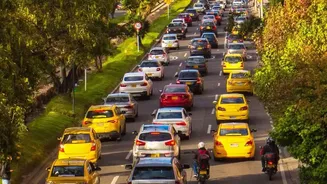
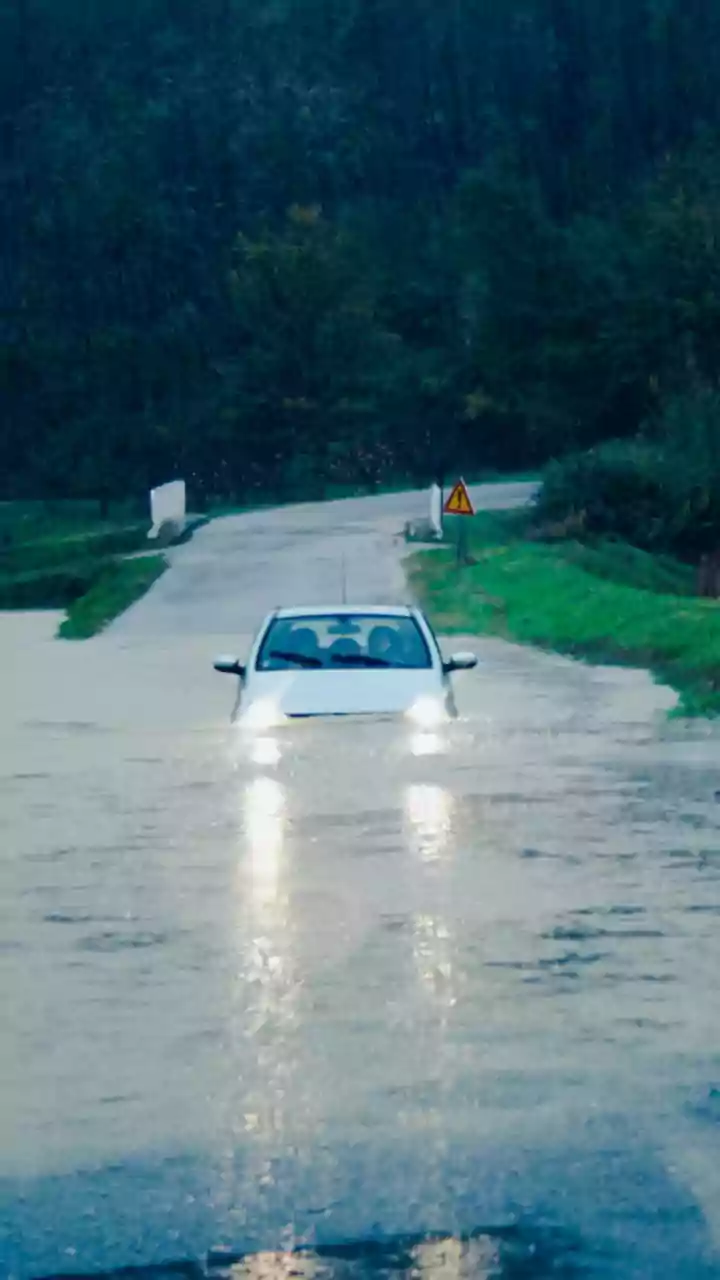
During the monsoon, your usual route can become unreliable. Waterlogging, traffic snarls, and hidden potholes can turn a short trip into a long, frustrating ordeal. Smart commuting starts with smart planning. Before you leave, use traffic monitoring apps to check for real-time updates on road conditions and potential flooding. Having a few alternative routes in your back pocket can save you from getting stuck. It’s also wise to leave a little earlier than usual. The extra buffer accounts for slower traffic and gives you time to navigate around unexpected obstacles without rushing, which often leads to poor decisions on the road. If possible, plan your journey to avoid peak rush hour, when monsoon rains can bring traffic to a standstill. A proactive approach to your route means you are reacting less to problems and are more in control of your journey.
Assemble a Compact Emergency Kit
Hope for the best but prepare for the worst. An emergency kit is not about expecting disaster, but about being self-reliant if your journey is delayed. Whether you commute by car, bike, or public transport, a small, well-stocked kit can be a lifesaver. For vehicle owners, essential items include a tow strap, jumper cables, a powerful flashlight with extra batteries, and a basic first-aid kit. For all commuters, a waterproof bag or pouch is crucial for protecting your phone, wallet, and other electronics. A portable power bank ensures you can stay connected even if you are stranded for hours. It’s also a good idea to pack a microfibre cloth to wipe down foggy glasses or windscreens, some dry snacks, and a bottle of drinking water in case your journey takes much longer than planned.
Dress for the Commute, Not Just the Destination
Your clothing choices can significantly impact your safety and comfort during a monsoon commute. Prioritise practical, functional wear that can handle getting wet. Opt for footwear with excellent grip, as station platforms, footpaths, and tiled building entrances become extremely slippery. Avoid smooth-soled shoes, sandals, or heels. Instead, choose rubber boots or sturdy shoes with deep treads. Many people find it useful to carry their office footwear in a waterproof bag and change upon arrival. Lightweight, quick-drying fabrics are your friend. A reliable raincoat or poncho offers far better protection than an umbrella, especially for those who walk or use two-wheelers, as it keeps your hands free and your body dry. Carrying an extra pair of dry socks is a small trick that can make a huge difference to your comfort for the rest of the day if you have to wade through an unavoidable puddle.
Become a Weather Watcher
The final and most crucial step happens just before you head out: check the latest weather forecast. Unpredictable, intense downpours are common during the monsoon, and what starts as a light drizzle can quickly escalate. Following official advisories from authorities like the India Meteorological Department (IMD) can provide warnings about severe weather events, cyclones, or extreme rainfall predictions that could make travel hazardous. Many local municipal corporations and traffic police departments also issue real-time alerts on social media about waterlogged areas and road closures. If a severe weather warning is in effect, the safest decision is often to postpone your travel or work from home if possible. A few minutes spent checking these updates provides the information you need to make a smart, safety-first decision about whether, when, and how to begin your commute.