





The Allure of the Rain-Soaked Trail
Before we talk about the risks, let's acknowledge the reward. Why would anyone willingly trek in the pouring rain? Because the monsoon transforms the landscape. Dust settles, leaving the air crisp and clean. Waterfalls that are mere trickles in summer
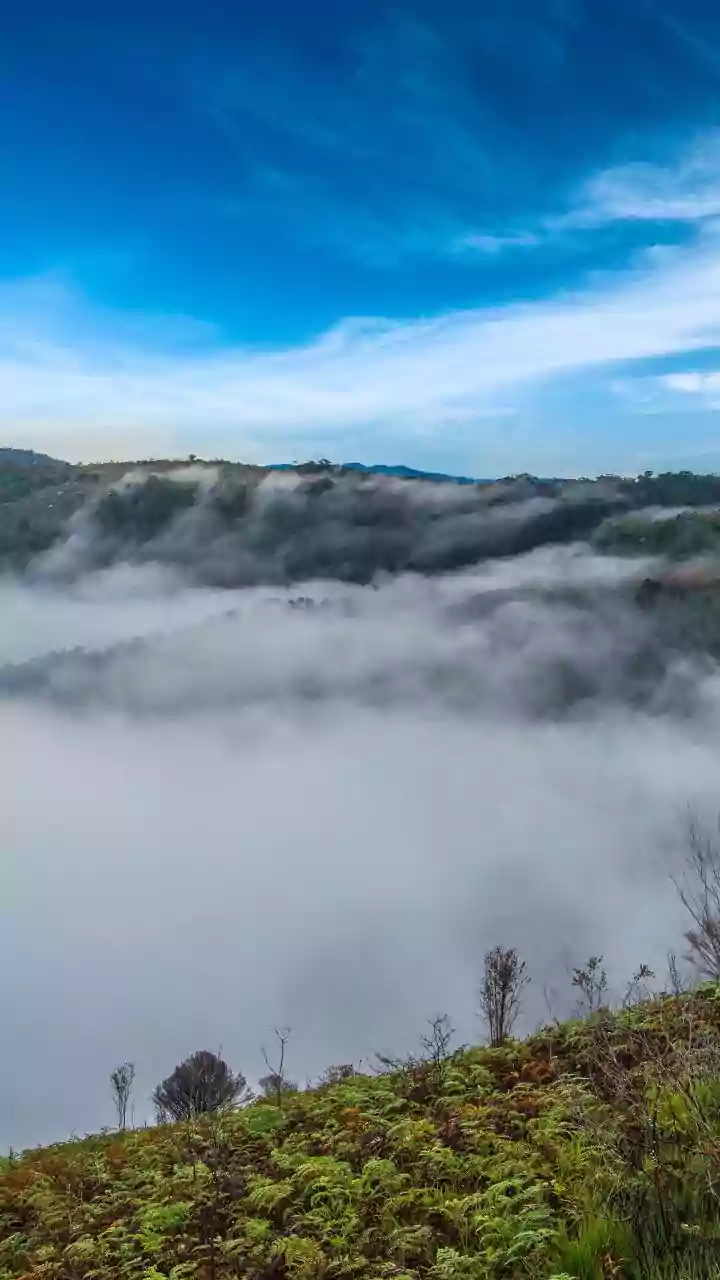
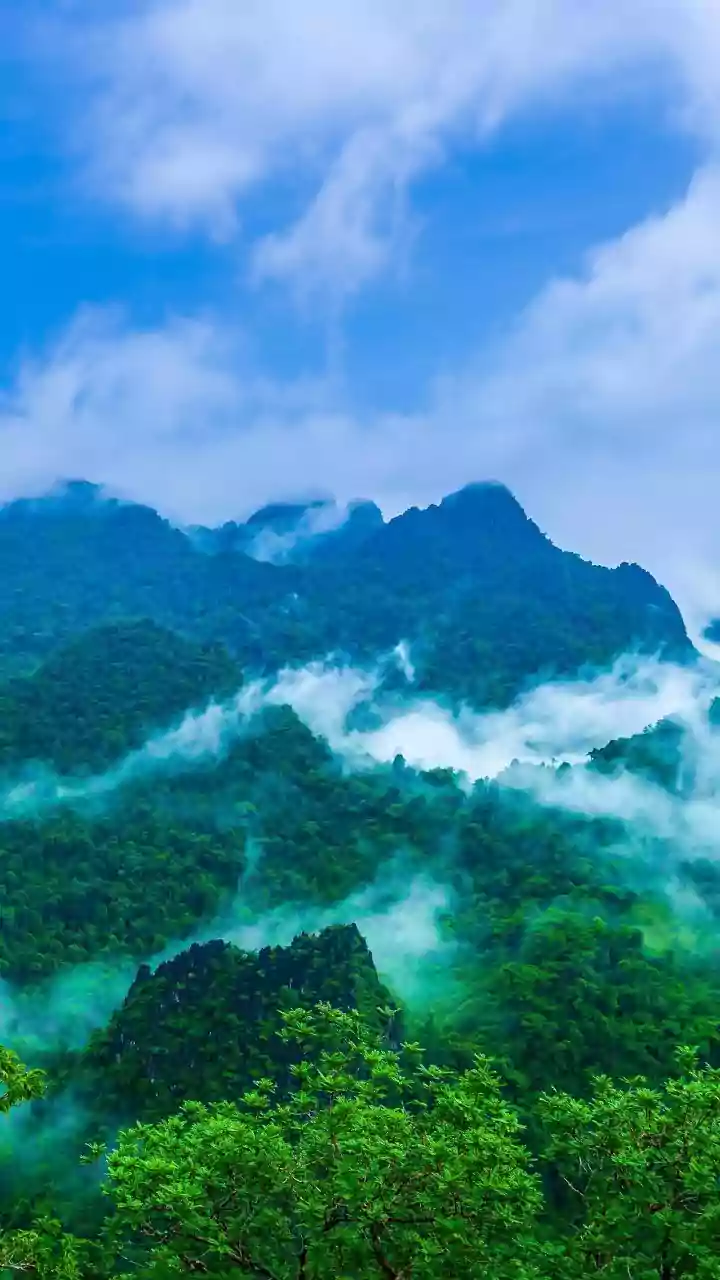
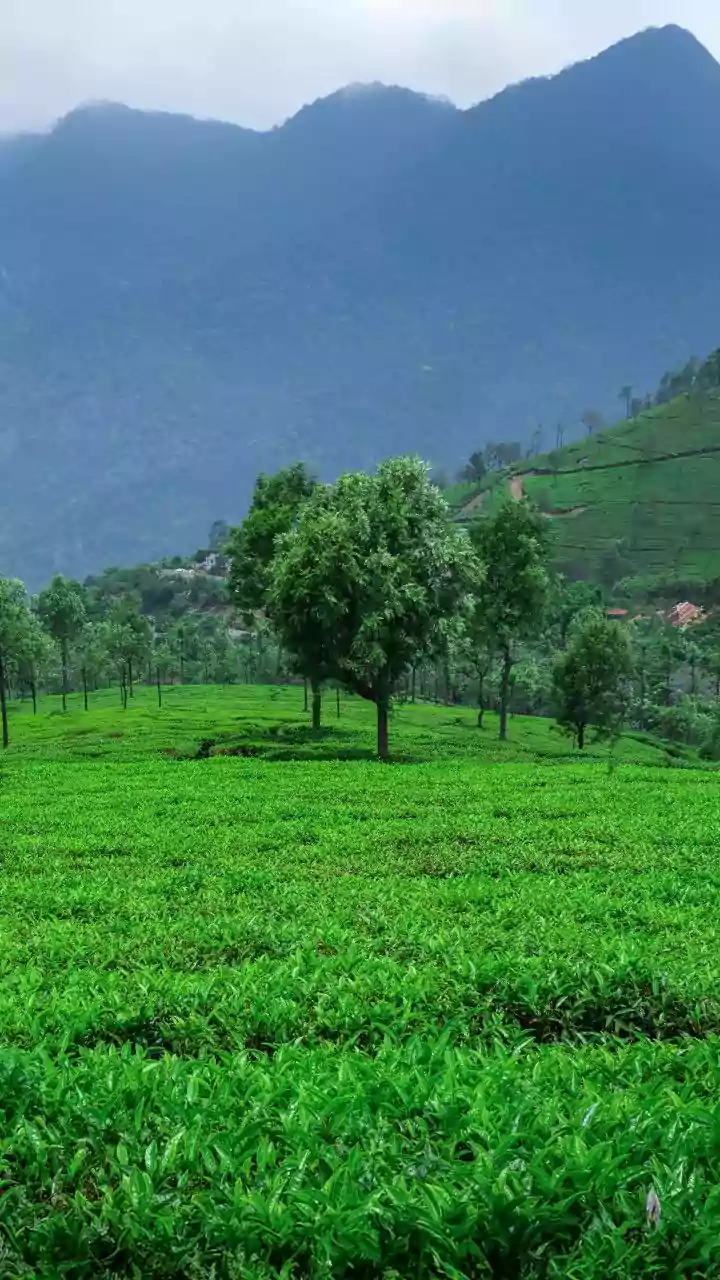
become roaring cascades of white water. The forests of the Western Ghats and the lower Himalayas burst into vibrant life, with mist-shrouded peaks creating a mystical, almost ethereal atmosphere. For photographers and nature lovers, it's a visual feast. For solitude seekers, the thinner crowds offer a more intimate connection with nature. This potent combination of beauty and peace is what pulls adventurers onto the trail, despite the obvious difficulties.
The Ground Beneath Your Feet
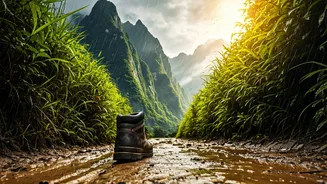
The single greatest challenge of a monsoon trek is the terrain itself. What was a stable, dusty path in May becomes a treacherous river of mud by July. Every step requires concentration. Rocks are slick with a film of algae, and loose soil can give way without warning, especially on steep inclines. The constant saturation of the ground dramatically increases the risk of landslides and rockfalls, particularly in mountainous regions. A trail that was perfectly safe yesterday can be completely wiped out overnight. This isn't just an inconvenience; it's a serious danger that requires expert navigation and the humility to turn back when conditions are unsafe. Your fancy, expensive hiking shoes mean little if the entire hillside decides to move.
The Unwelcome Companions
You won't be alone on your monsoon trek. The rain brings out a host of creatures, chief among them being leeches. While largely harmless, the constant need to check your legs, ankles, and even inside your shoes can be psychologically draining. They are experts at finding their way through layers of clothing. Beyond leeches, the damp environment is a breeding ground for insects. Proper preparation, including leech socks, insect repellent, and a good understanding of how to remove a leech safely (hint: don't pull it), is non-negotiable. Ignoring this aspect can turn a beautiful trek into a miserable, itchy ordeal.
The Battle Against Dampness
Staying dry during a monsoon trek is a losing battle. The goal is not to stay perfectly dry, but to manage the wetness and prevent hypothermia. The air is humid, your body sweats from exertion, and the rain is often relentless. Cotton is your worst enemy; it absorbs moisture, sticks to your skin, and leaches away body heat. The right gear is crucial: a reliable three-layer system (base layer, fleece, and a fully waterproof, breathable outer shell) is essential. Equally important is protecting your gear. Everything—electronics, spare clothes, food—must be stored in waterproof dry bags inside your backpack. A wet sleeping bag at the end of a long, rainy day is not just uncomfortable; it's dangerous.
The Mental Game
A monsoon climb is as much a mental challenge as it is a physical one. The lack of sunshine, the constant dampness, and the grey skies can take a toll on your morale. The vistas you hiked hours to see might be completely obscured by thick fog. This is where resilience comes in. You have to find joy in the smaller things: the taste of hot tea in a cold tent, the intricate patterns of moss on a tree, the sound of rain on your poncho. It requires patience, a positive attitude, and the ability to embrace discomfort. Those who expect perfect conditions will be sorely disappointed. Those who embrace the raw, untamed nature of the season will find it an incredibly rewarding experience.