



Why August is Prime Time
While Saturn will reach its official opposition—the point where Earth passes directly between it and the sun—on October 4, 2026, the weeks leading up to this event are a brilliant time for viewing. In August, Saturn rises progressively earlier in the evening,
making it more accessible. At the start of the month, you can find it rising in the east around 11 PM, but by the end of August, it will be gracing our skies as early as 9 PM. This extended viewing window means you don't have to be a night owl to catch a glimpse. The planet will be bright, shining at a magnitude of around 0.5, making it easy to spot even with the naked eye. Throughout the month, Saturn will be located in the constellation Pisces, which doesn't have many bright stars, making the planet stand out even more.
What You Can Expect to See
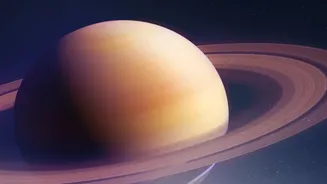
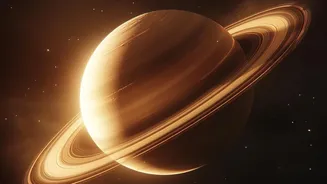
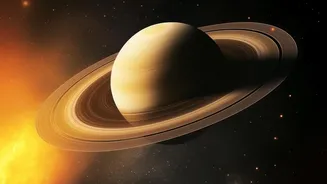
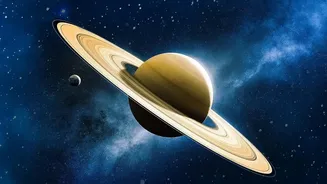
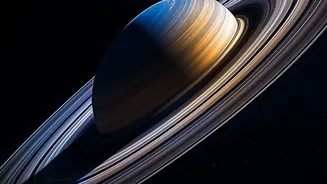
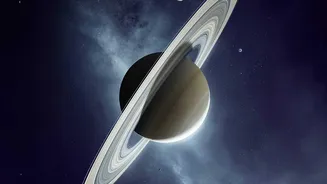
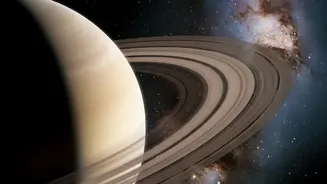
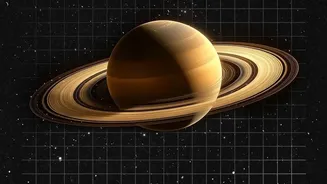
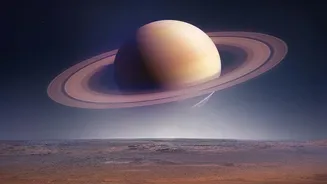
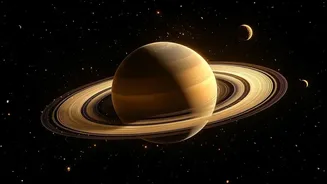
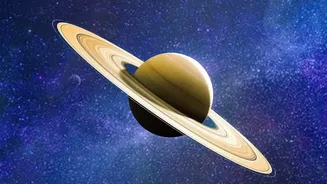
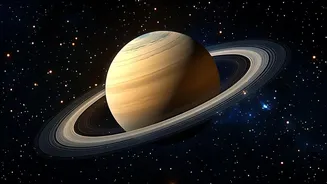
To the naked eye, Saturn appears as a steady, bright, yellowish-white point of light. Unlike stars that twinkle, planets often shine with a more constant glow. But the real magic happens when you use optical aid. You don't need a professional observatory to be impressed. Even a small telescope with a magnification of 25x is enough to reveal that the point of light is, in fact, a planet with its famous rings. With a modest backyard telescope, you can distinguish the rings as a separate structure from the planet itself. You might even spot Saturn's largest moon, Titan, which appears as a tiny star-like dot near the planet. With larger apertures and steady atmospheric conditions, more details can emerge, such as the Cassini Division, a prominent dark gap between Saturn's main rings.
Your Viewing Toolkit
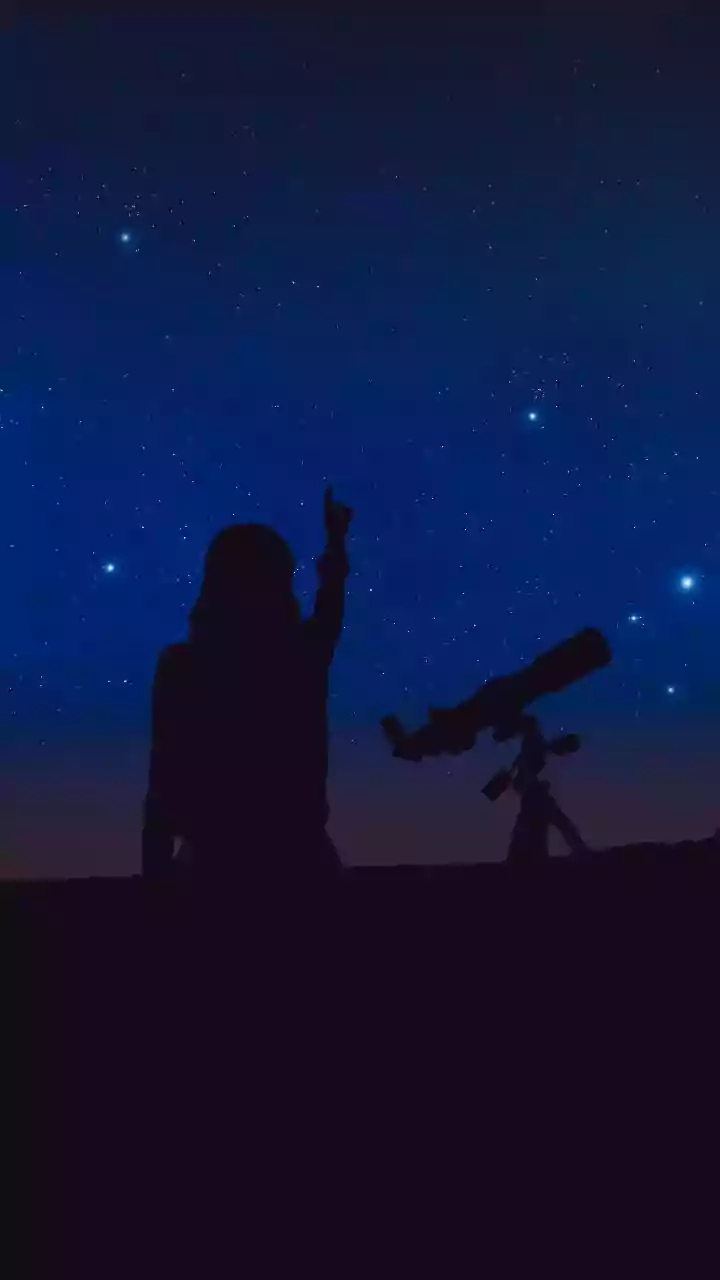
The best views of Saturn will come through a telescope. A 50mm refractor or a small Dobsonian is a great starting point. If you have one, now is the time to get it out and familiarize yourself with it. Let it cool down to the outside temperature for about 30 minutes before you start observing to get sharper images. If you don't have a telescope, don't despair. A good pair of binoculars won't show you the rings in detail, but they can reveal Saturn's slightly elongated, non-circular shape, confirming you're not just looking at a star. You can also use popular stargazing apps on your smartphone. These apps use your phone's GPS to show you exactly where to point to find Saturn in the night sky. On August 4th and again on August 30-31st, the Moon will be close to Saturn, acting as a convenient cosmic signpost to help you locate the planet.
Step-by-Step Guide to Finding Saturn
First, check the time. As August progresses, Saturn will rise earlier in the evening in the eastern sky. Head out after 10:30 PM for a good chance to see it clear the horizon. Find a spot away from the direct glare of city lights if possible, as light pollution can wash out fainter objects. Look towards the east and find the constellation Pisces. If you're not familiar with constellations, don't worry. Stargazing apps can guide you, or simply look for a bright, steady 'star' in that direction that isn't twinkling excessively. Once you've located it, take your time. Let your eyes adjust to the darkness for at least 15-20 minutes. If using a telescope, start with a low-power eyepiece to find and center the planet, then switch to a higher magnification to get a closer look at those incredible rings. Patience is key; wait for moments of clear, steady air for the sharpest views.
A Celestial Spectacle for Everyone
Observing Saturn is a rewarding experience that connects us to the grand scale of our solar system. Seeing the rings for the first time is a moment no one forgets. It transforms a distant point of light into a complex, three-dimensional world nearly 816 million miles away. This August provides a perfect excuse to slow down, step outside, and look up. Whether you're using a powerful telescope, a simple pair of binoculars, or just your own eyes, the sight of the ringed jewel of the solar system is a reminder of the wonders that await in the night sky. Take advantage of these late summer nights to create your own astronomical memory.