

October 4: Saturn's Big Night
Circle this date on your calendar. On October 4, Saturn reaches opposition, the point where Earth passes directly between the Sun and the ringed planet. This means Saturn will be at its closest and brightest for the year, rising in the east around sunset
and remaining visible all night long. This is the single best opportunity in 2026 to view Saturn. While it will appear as a bright, yellowish, star-like object to the naked eye, even a modest telescope will reveal its famous rings, a truly unforgettable sight. Look for it shining steadily, unlike the twinkling of distant stars.
October 5-6: A Pre-Dawn Dance
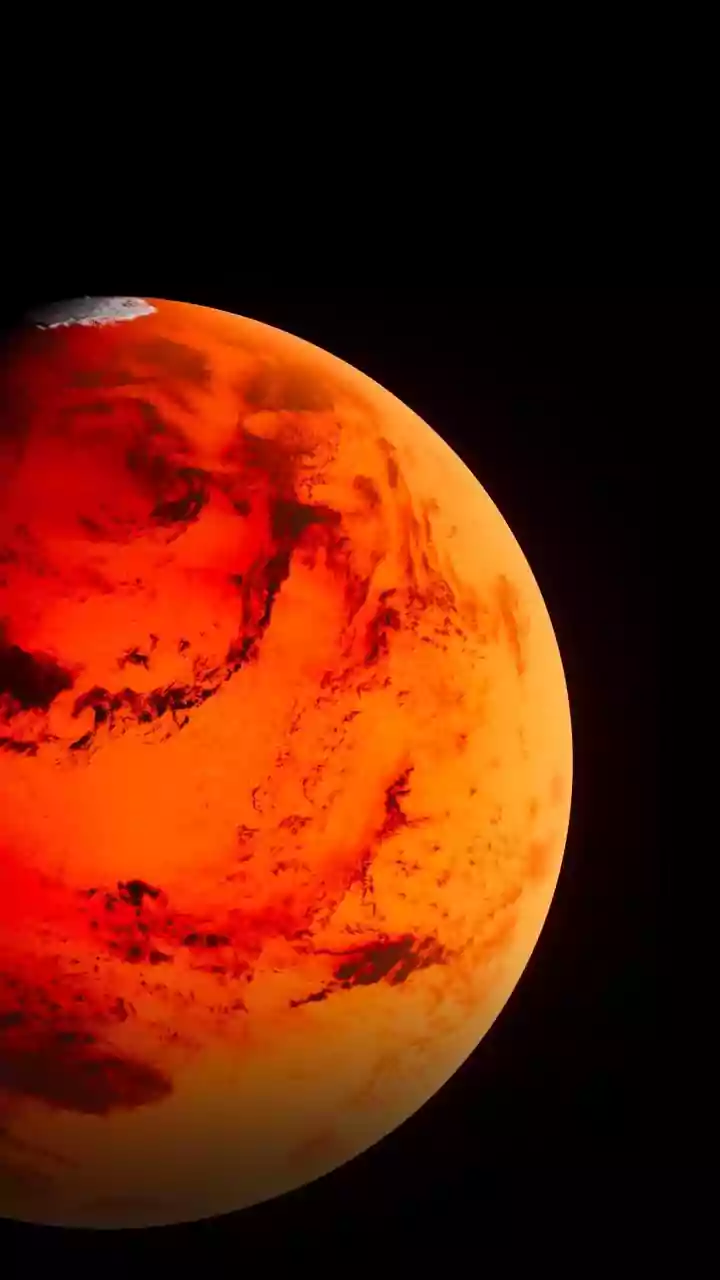
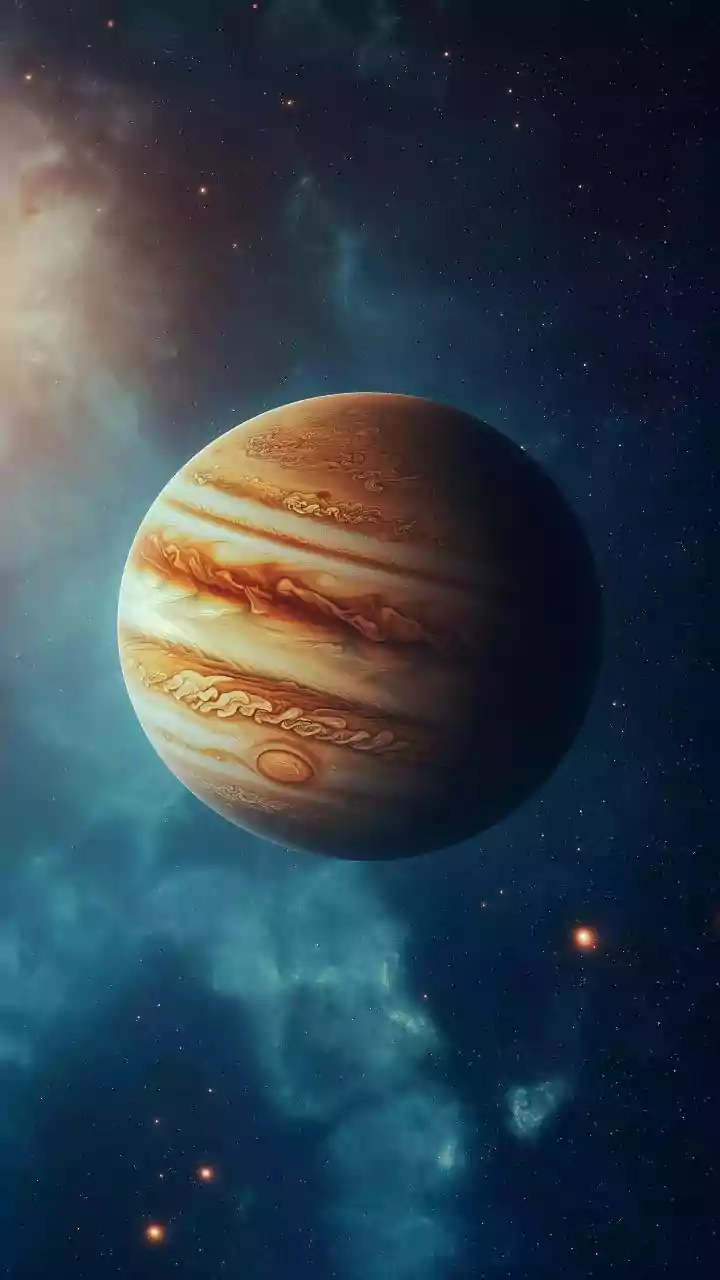
Early risers are in for a treat as the Moon makes close approaches to two bright planets in the morning sky. Before sunrise on October 5, look to the east to see a crescent Moon near reddish Mars. The following morning, October 6, the even thinner crescent Moon will appear close to the brilliant, white light of Jupiter. While some parts of the world will witness the Moon briefly pass in front of the planets—an event called an occultation—observers in India will see a beautiful close pairing. These alignments are easily visible without any special equipment and make for a stunning celestial photo opportunity.
October 8-9: The Dragon's Fiery Breath
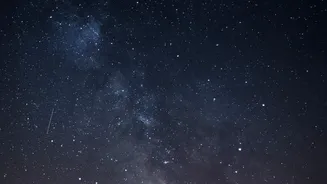
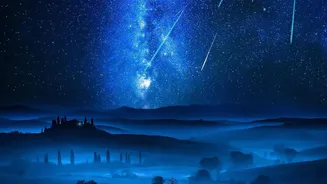
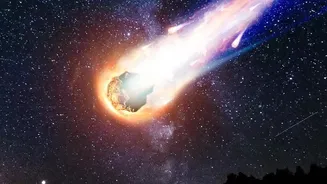
The first of October's two meteor showers is the Draconids, peaking on the night of October 8-9. Unlike most meteor showers that are best after midnight, the Draconids are best viewed in the evening, just after full darkness settles. This year's viewing conditions are excellent, as the New Moon on October 10 ensures the sky will be dark and free of moonlight. The Draconids are typically a quiet shower, producing around 5 to 10 slow-moving meteors per hour. However, the shower is known for occasional, unpredictable outbursts of hundreds of meteors, so it's always worth watching. Find a dark spot away from city lights, look north towards the constellation Draco, and be patient.
October 21-22: Halley's Comet's Legacy
The famous Orionid meteor shower peaks on the night of October 21 into the morning of October 22. These meteors are fast, bright streaks of debris left behind by the one and only Halley's Comet. Under ideal conditions, you might see 15 to 20 meteors per hour. The main challenge this year is a bright waxing gibbous Moon, which will wash out fainter meteors during the evening. For the best show, set your alarm for the pre-dawn hours on October 22. The Moon will set a few hours before sunrise, leaving a dark window of opportunity to catch the shower at its best. No telescope is needed; just find a dark, open sky, let your eyes adjust for about 30 minutes, and look up.
October 27-28: The Moon Visits the Seven Sisters
As the month closes, look for a beautiful pairing in the evening sky on October 27 and 28. The nearly full Moon will pass close to the Pleiades star cluster, also known as the Seven Sisters or Krittika in Indian astronomy. This tight-knit group of bright blue stars is one of the most recognizable clusters in the night sky. To the naked eye, it looks like a tiny, misty patch of light. Binoculars will transform that smudge into a stunning collection of dozens of glittering stars. The bright Moon will be nearby, creating a picturesque scene perfect for an evening of casual stargazing.