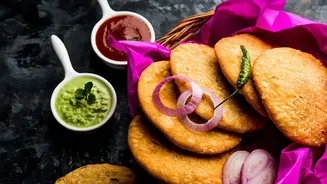



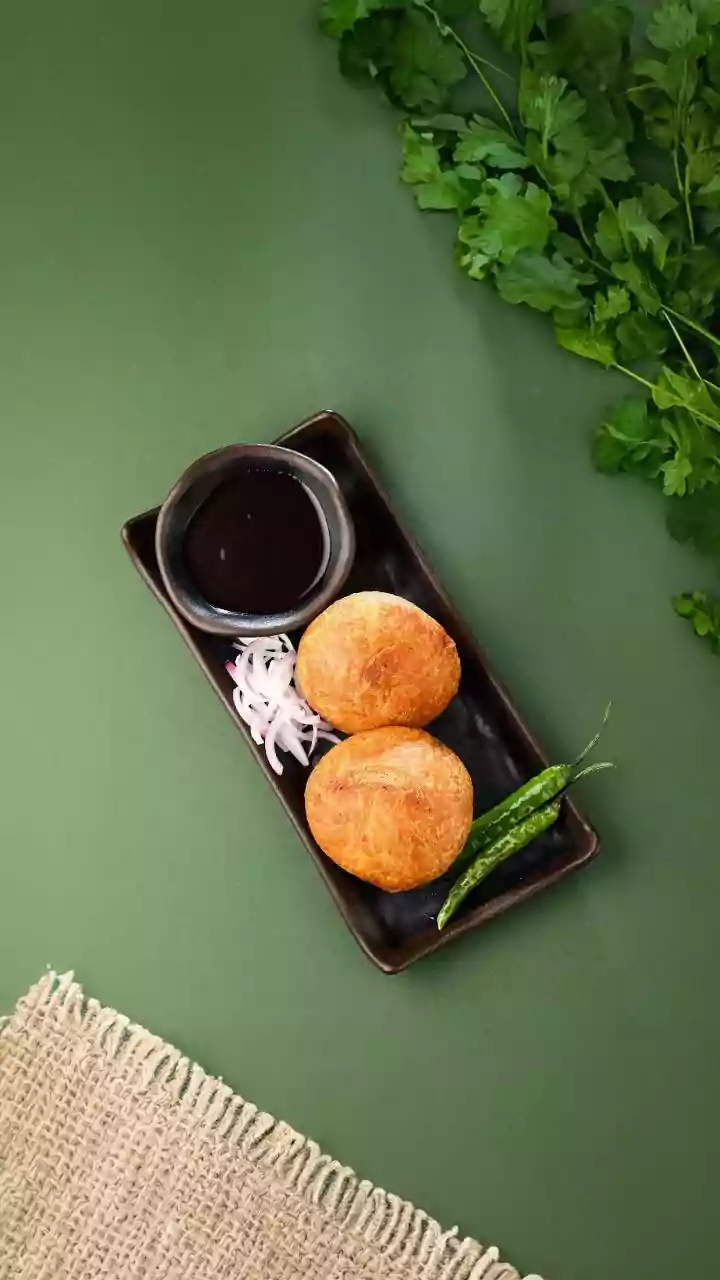



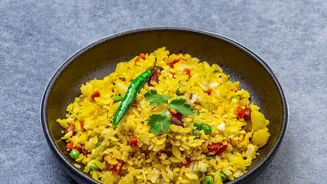


The Indian snack aisle is undergoing a quiet revolution. Beyond the familiar potato chips and mass-market namkeens, a delicious disruption is taking place as hyper-local snacks once confined to specific regions are now finding fans across the country.
A Multi-Billion Rupee Appetite
India's love for snacking is more than a cultural habit; it's a massive, growing market. The Indian snacks market was valued at over INR 50,000 Crore in 2025 and is projected to nearly double by 2034, growing at a steady pace. While Western-style snacks like potato chips have long held a significant share, ethnic and traditional snacks are not just catching up—they are driving a new wave of growth. This surge isn't just about volume; it's about a fundamental shift in consumer preference towards authenticity, variety, and a connection to culinary roots. Consumers are looking beyond generic options and developing a palate for the specific, the traditional, and the regional.
The Powerful Pull of Nostalgia
A key driver of this trend is nostalgia. For the millions of Indians living and working in cities far from their hometowns, these snacks are more than just food—they are a taste of home. A bite of Bakarwadi from Maharashtra, a crunch of Murukku from the South, or the sharp spice of Ratlami Sev from Madhya Pradesh can evoke powerful memories and a sense of connection. This emotional resonance is something mass-produced snacks struggle to replicate. Brands that tap into this longing for authenticity, offering hygienically packaged versions of beloved local recipes, are finding a ready and willing market among urban consumers.
From Local Bazaars to Digital Carts
Technology has been the great enabler of this snacking revolution. The rise of e-commerce and, more recently, quick-commerce platforms like Zepto and Blinkit, has shattered geographical barriers. A snack once only available in a single city can now gain a national following through social media buzz and be delivered to a doorstep hundreds of miles away within minutes. This digital-first distribution model has allowed a new generation of Direct-to-Consumer (D2C) brands to emerge. Companies like Beyond Snack with its authentic Kerala banana chips, Sweet Karam Coffee offering South Indian delicacies, and Patil Kaki with its home-style Maharashtrian snacks are leveraging technology to scale rapidly.
Spotlight on Regional Stars
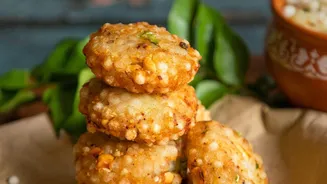
Several regional specialties have successfully made the leap to national fame. Bikaneri Bhujia, once a local delicacy from Rajasthan, is now a household name across India, a journey pioneered by giants like Haldiram's and Bikaji. Similarly, Maharashtra's spiral-shaped, flavour-packed Bakarwadi and Gujarat's steamed and healthy Dhokla have become mainstream favourites. From the south, crispy Murukku and banana chips fried in coconut oil have found a permanent place in the national snack rotation. These success stories serve as a blueprint, proving that there is a significant national appetite for India’s vast and varied culinary heritage.
Big Brands Are Taking Note
The success of regional upstarts has not gone unnoticed by the established giants of the food industry. Large FMCG players, who once focused on standardised national products, are now actively entering the ethnic snacks arena. This happens in two ways: either by launching their own lines of regional snacks or by acquiring successful D2C brands to gain a foothold in the market. For example, PepsiCo has expressed ambitions to deepen its presence in the Indian ethnic snack market, a space traditionally dominated by regional players. This competition is ultimately a win for consumers, leading to better quality, more variety, and wider availability of traditional flavours.