








A Cultural Shift in Fitness
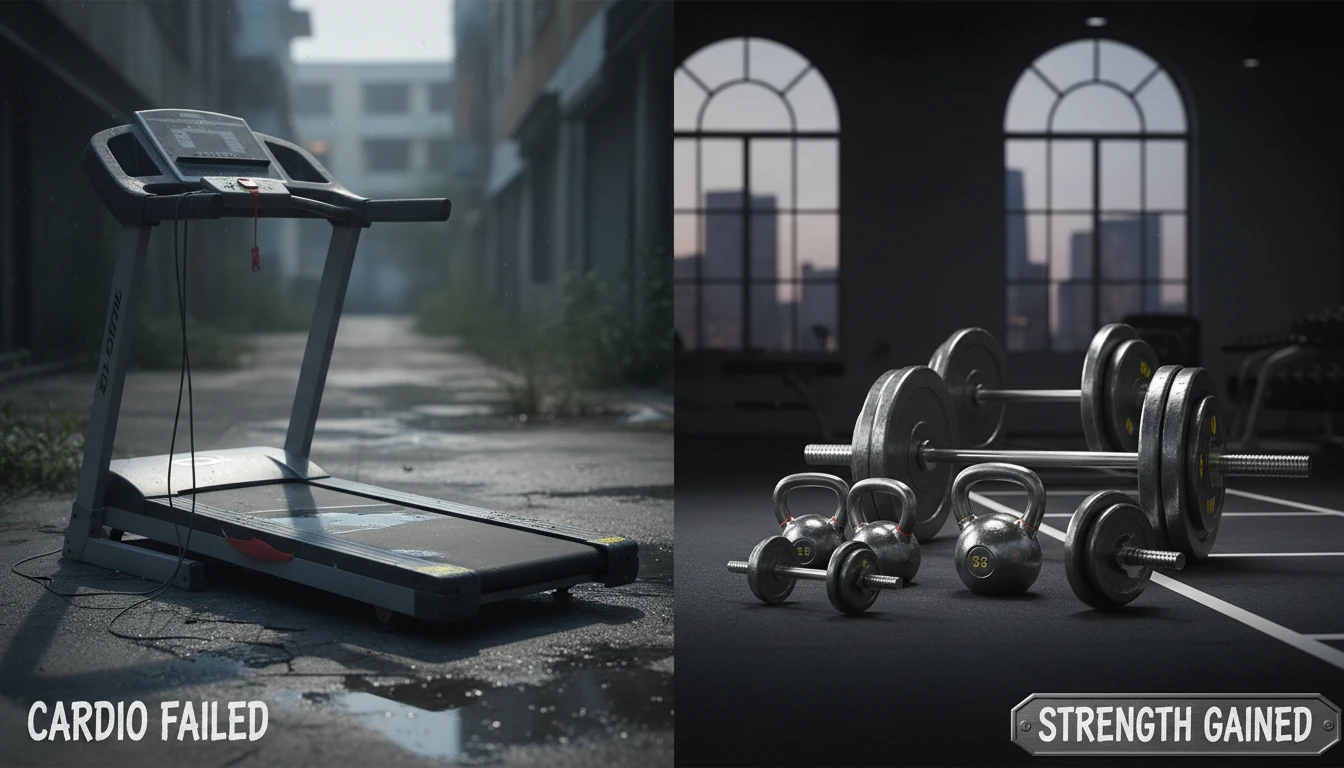
Walk into many gyms today, and you might notice a change: the once-dominant rows of treadmills and ellipticals are now sharing space with, or even being replaced by, squat racks and free weights. This isn't just a fleeting trend; it represents a fundamental
change in how we define being fit. The old paradigm, heavily focused on endurance cardio and achieving a certain number on the scale, is giving way to a new priority: strength. This movement is being driven by a growing understanding that being strong offers more holistic and lasting benefits than simply burning calories from a workout. People of all ages and genders are embracing weight training, not just for aesthetics, but for longevity and overall wellness.
The Science of a Stronger Metabolism
One of the most compelling reasons for this shift lies in metabolic science. While a cardio session burns calories during the activity, strength training offers a benefit that lasts long after you leave the gym. Building muscle increases your resting metabolic rate (RMR), which is the number of calories your body burns at rest. Muscle tissue is more metabolically active than fat tissue, meaning it requires more energy just to exist. Adding even a few kilograms of lean muscle can mean your body burns more calories around the clock, which aids in long-term weight management and can help improve your overall body composition. This is often referred to as the "afterburn effect," or excess post-exercise oxygen consumption (EPOC), where your body continues to expend energy for hours or even days to repair and build muscle tissue.
Benefits Beyond Burning Fat
The advantages of strength training extend far beyond metabolism. It is one of the most effective ways to build and maintain bone density, which is crucial for preventing osteoporosis as we age. The stress placed on bones during resistance exercises stimulates them to become stronger. Stronger muscles also mean more stable joints, better posture, and a lower risk of injury in everyday life. Simple activities like carrying groceries, climbing stairs, or playing with children become easier and safer. Furthermore, research shows significant mental health benefits, with studies suggesting that strength training can reduce symptoms of anxiety and depression, boost self-esteem, and improve cognitive function.
Redefining Health and Empowerment
Perhaps the most powerful aspect of this trend is the shift in mindset. The focus is moving away from a punishing mentality of exercising to "earn" or "burn off" food towards an empowering one focused on what your body can achieve. This has been particularly transformative for women, who are increasingly rejecting the outdated notion that lifting weights is unfeminine. Instead, they are embracing strength training for the sense of capability and confidence it provides. The goal is no longer just to be smaller, but to be stronger, more resilient, and more in control of one's health. It’s about celebrating progress in performance—lifting a heavier weight or mastering a new exercise—rather than chasing a number on a scale.
How to Get Started
Starting a strength training routine doesn't mean you have to become a powerlifter overnight. The key is progressive overload, which simply means gradually increasing the challenge to your muscles. Beginners can start with bodyweight exercises like squats, push-ups, and lunges. Resistance bands are another excellent and affordable option for home workouts. As you get stronger, you can introduce dumbbells or kettlebells. Experts generally recommend strength training activities at least two days a week, focusing on all major muscle groups. For those new to the practice, consulting with a certified fitness professional can help ensure you're using proper form to maximise benefits and prevent injury.