




The Joy and The Pressure of Tradition
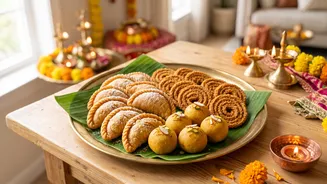
For generations, the run-up to Diwali involved days spent in the kitchen, with family members coming together to prepare an elaborate array of 'faral'—the festive sweets and savouries. The tradition is as much about the food as it is about the process:
sharing recipes, passing down techniques, and creating memories. The resulting platters, laden with everything from crispy chakli and shankarpali to melt-in-your-mouth ladoos, are a cornerstone of festive hospitality. However, for many modern families, nuclear households, and working professionals, dedicating days to this culinary marathon is no longer feasible. The desire to uphold tradition often clashes with the reality of packed schedules, leading to festive stress rather than festive cheer. The pressure to present a perfect, entirely homemade spread can feel overwhelming.
Store-Bought Gets a Gourmet Glow-Up
Not too long ago, buying Diwali snacks was seen as a compromise. But that perception has dramatically shifted. Today, the market for store-bought Diwali treats is booming, driven by a demand for both convenience and quality. Small businesses, home chefs, and established sweet marts now offer a dazzling variety of snacks that rival homemade fare in taste and authenticity. Many of these entrepreneurs use traditional family recipes and high-quality ingredients, offering a taste of home without the effort. From artisanal kaju katli to regional specialties like Tirunelveli halwa or Chettinadu murukku, the options are vast and sophisticated. This evolution means that buying snacks is no longer about cutting corners; it's about curating a high-quality festive experience.
The Smart Mix: What to Make at Home
Adopting a hybrid approach is all about strategic selection. The items you choose to make at home should give you the most joy for your effort. These often fall into three categories. First, the non-negotiables: the one or two recipes that are cherished family traditions, like a grandmother’s specific besan ladoo or a unique family mathri. Making these keeps the emotional connection to the festival alive. Second, the easy wins: simple snacks that come together quickly but still feel special. Think roasted masala nuts, a simple cornflakes chivda, or shankarpali, which can be made from a single batch of dough. Finally, consider making items where you want to control the ingredients, perhaps using jaggery instead of sugar or opting for whole wheat flour.
Leave It to the Pros: What to Buy
The 'buy' list should feature snacks that are technically difficult, time-consuming, or require special equipment. Jalebi, for instance, needs practice to perfect its iconic spiral shape and crispy, syrup-soaked texture. Complex sweets like Mysore pak, which requires precise temperature control, or flaky soan papdi are also excellent candidates for outsourcing. The same logic applies to savoury items. Perfectly round, crispy murukku or chakli can be tricky, and many home chefs and local shops have perfected their craft over years. By buying these more challenging items, you free up time and energy, avoid kitchen frustrations, and ensure a delicious, high-quality result every time.
The Art of the Hybrid Platter
The final step is presentation. The beauty of the hybrid approach is that when arranged thoughtfully, no one can tell what was made and what was bought. The goal is to create a 'Diwali Snack Board' that is abundant, varied, and visually appealing. Use your favourite platters and small bowls ('katoris') for chutneys and dips. Arrange the largest items first, then fill in the gaps with smaller snacks like nuts and roasted chickpeas. Mix textures and flavours: combine crispy, savoury items like mathri and store-bought ganthia with soft, sweet pieces like homemade barfi and purchased ladoos. Add pops of colour with fresh fruit like pomegranate seeds, grapes, or sliced apples to create a platter that looks as festive as it tastes.