




Secure Your Belongings Like a Pro
One of the primary concerns on any journey is the safety of your luggage. For train travel, a lightweight but sturdy chain and a good quality padlock are non-negotiable. Use them to secure your main suitcase or backpack to the loops provided under the lower
berths. This simple step acts as a major deterrent, especially when you are asleep or when the train makes brief stops at stations during the night. For valuables like your wallet, phone, and tickets, a small sling bag or a waist pouch that you can keep on your person at all times, even while sleeping, is the safest bet.
Build a Personal Hygiene Kit
Train washrooms can be unpredictable, so it's wise to be self-sufficient. Your go-to kit should include a roll of toilet paper, paper soap strips, and a powerful alcohol-based hand sanitiser. Antibacterial wet wipes are multi-purpose heroes for freshening up, cleaning your hands, or wiping down surfaces like your berth and eating area before use. Since you won't have access to a full shower, carrying a deodorant and face wash can make you feel much more comfortable upon waking. Consider packing a quick-dry towel as well, which takes up minimal space.
Hack Your Way to a Good Night's Sleep
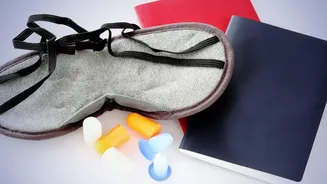
Getting quality rest amidst the noise and movement of a train can be a challenge. An inflatable travel pillow can save you from a stiff neck, and a lightweight blanket or shawl provides a much-needed layer of warmth, as AC coaches can get surprisingly cold. Even in non-AC sleeper class, a sheet acts as a clean barrier between you and the berth. To block out the inevitable sounds of a shared compartment and the early morning station announcements, a pair of earplugs or noise-cancelling headphones is essential. An eye mask will shield you from lights being switched on and off through the night.
Master Your Food and Water Strategy
While food is often available from vendors on the train and at stations, it's safer and more convenient to carry your own supplies, especially for dinner and breakfast. Pack non-perishable items like biscuits, nuts, dry fruits, and granola bars. It's crucial to stay hydrated, so carry at least one large reusable water bottle. You can often refill it at major stations or buy sealed water bottles like Rail Neer onboard. To be extra cautious, avoid cut fruits or uncooked items from unknown vendors. Carrying your own spoon or fork is also a good hygiene practice.
Power Up Your Essential Electronics
Long journeys require entertainment, but train charging points can be unreliable or constantly occupied. A fully charged power bank is your best friend. Ensure you've downloaded movies, music, or books onto your device beforehand, as internet connectivity can be patchy along many routes. Don't forget your charging cables and a pair of earphones to be considerate of fellow passengers. A headlamp or using your phone's flashlight can also be incredibly useful for navigating in a dark cabin at night without disturbing others.
Pack a Compact Medical Pouch
A small first-aid kit can be a lifesaver. Include basics like adhesive bandages, antiseptic cream, and pain relievers. It's also wise to pack medication for common travel ailments such as an upset stomach, motion sickness, or dehydration, including electrolyte sachets. If you take any prescription medication, ensure you have enough for the entire journey and a little extra in case of unexpected delays. Keep this pouch in your small, accessible day bag, not in your main luggage stored under the berth.