


A Match Made in Dessert Heaven
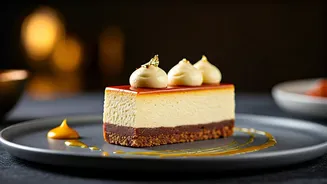
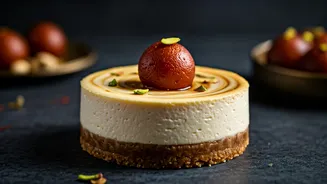
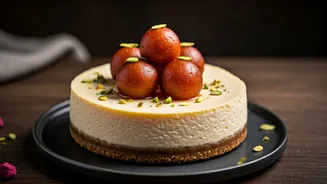
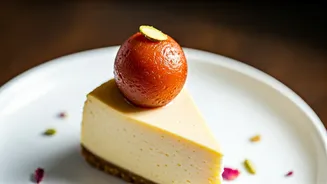
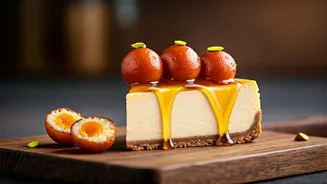
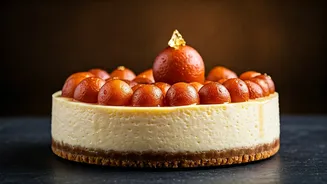
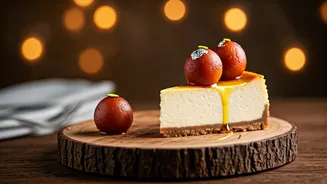
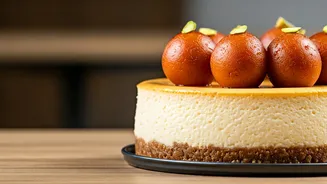
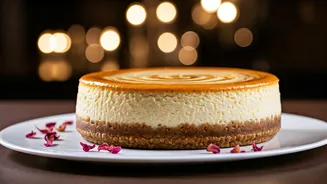
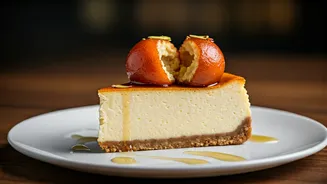
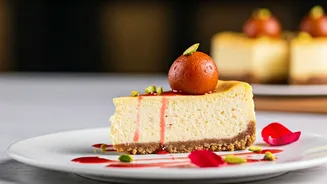
For the uninitiated, the concept might sound perplexing. A New York-style baked cheesecake, traditionally served plain or with a berry compote, gets a desi makeover. At its heart, the dessert features a classic biscuit or cookie crust and a creamy cheese filling.
But the magic lies within. Nestled inside the creamy filling are whole, syrup-soaked gulab jamuns, their familiar flavour infusing every bite. The cake is often topped with more jamuns, a sprinkle of pistachios, and sometimes a hint of cardamom or saffron. The result is a delightful textural and flavour contrast: the slight tang of the cream cheese cuts through the intense sweetness of the gulab jamun, while the soft, spongy texture of the mithai plays against the dense, smooth cheesecake. It’s a combination that, on paper, seems audacious. In reality, it’s a perfectly balanced masterpiece.
The Birth of a Fusion Icon
While pinpointing the single inventor of any viral dish is nearly impossible, the Gulab Jamun Cheesecake began appearing on the menus of modern Indian restaurants and in the portfolios of ambitious home bakers in the mid-2010s. It was part of a larger culinary movement embracing 'Indian fusion'—a confident reinterpretation of global dishes using local flavours. Chefs began experimenting with everything from naan-pizzas to butter chicken pasta. Some of these were fleeting novelties, but the Gulab Jamun Cheesecake had a different kind of sticking power. It tapped into a deep well of nostalgia while offering something genuinely new. Early adopters and celebrity chefs like Ranveer Brar showcased versions of it, and social media did the rest. Instagram and food blogs were flooded with pictures of the stunning dessert, its photogenic nature making it an instant star. It wasn't just a dish; it was a statement.
Why the Obsession Endures
The dessert's longevity can be attributed to its ability to satisfy two distinct cravings simultaneously. For many Indians, gulab jamun is not just a sweet; it’s the taste of festivals, celebrations, and family gatherings. Cheesecake, on the other hand, represents a more global, modern indulgence. By merging the two, the dessert bridges a generational and cultural gap. It’s the perfect compromise for a family dinner where the elders crave traditional mithai and the younger generation wants a slice of cake. This emotional connection is its secret weapon. It feels both familiar and exciting, comforting and sophisticated. It isn’t just a random mashup; it’s a thoughtful blend that respects both its parent cuisines. The sweetness is tempered, the textures are complementary, and the overall experience feels celebratory, making it a go-to choice for special occasions.
From Viral Trend to Modern Classic
Many food trends burn bright and fast, disappearing as quickly as they appeared. Remember the Dalgona coffee craze? The Gulab Jamun Cheesecake, however, has successfully made the leap from a viral sensation to a legitimate menu item. You can now find it everywhere, from high-end restaurants in Mumbai and Delhi to local bakeries in Tier-2 cities. It has become a standard offering for festive seasons like Diwali and Raksha Bandhan, often outselling more traditional options. Its success has paved the way for other mithai-inspired fusions, like Rasmalai Tres Leches, Jalebi Waffles, and Motichoor Ladoo Parfaits. But the Gulab Jamun Cheesecake remains the undisputed king. It demonstrated that Indian diners were ready for innovation, but that the most successful innovations are those that honour their roots. It’s not about replacing the original, but about creating a new tradition alongside it.