




Embrace Turmeric, Ginger, and Garlic
These three kitchen staples are your best friends during the monsoon. Turmeric, with its active compound curcumin, is a powerful anti-inflammatory and immunity booster. Ginger and garlic are known for their antibacterial and antiviral properties, making
them excellent for warding off common colds, coughs, and sore throats. They also aid digestion, which can become sluggish in the humid weather. A warm cup of ginger tea or adding fresh turmeric and garlic to your curries and soups are easy ways to incorporate them.
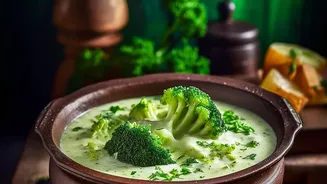
Enjoy Warm Soups and Herbal Teas
Nothing says monsoon comfort like a warm bowl of soup. Light, home-cooked vegetable or dal soups are not only soothing but also incredibly easy to digest. They keep you hydrated and provide essential nutrients without taxing your system. Similarly, herbal teas made with ingredients like tulsi (holy basil), ginger, and black pepper help keep your body warm and can soothe an irritated throat. These warm liquids are a much better choice than cold beverages, which can dampen your digestive fire, according to Ayurvedic principles.
Choose Seasonal Fruits Wisely
While it's tempting to reach for all kinds of fruit, opting for seasonal varieties is key during the monsoon. Pears, jamun, plums, cherries, peaches, and pomegranates are excellent choices. They are packed with vitamins, minerals, and antioxidants like Vitamin C that strengthen your immune system. Papaya is another great option as it contains the enzyme papain, which aids protein digestion. Always remember to wash fruits thoroughly under clean, running water before consumption to remove any contaminants.
Favour Light, Digestible Vegetables
Heavy foods can be difficult to digest during the rainy season. Instead, opt for vegetables that are light and easy on the stomach. Gourds like lauki (bottle gourd), turai (ridge gourd), and parwal (pointed gourd), as well as pumpkins and carrots, are ideal. They are rich in dietary fibre and have high water content. It’s best to consume them steamed, boiled, or in soups rather than raw. While leafy greens are nutritious, they can carry more germs and dirt during this season, so they must be washed and cooked very carefully if you choose to eat them.
Rely on Pulses and Light Grains
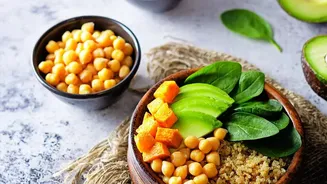
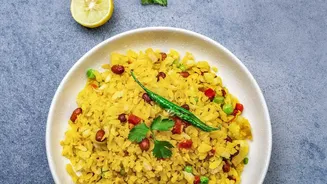
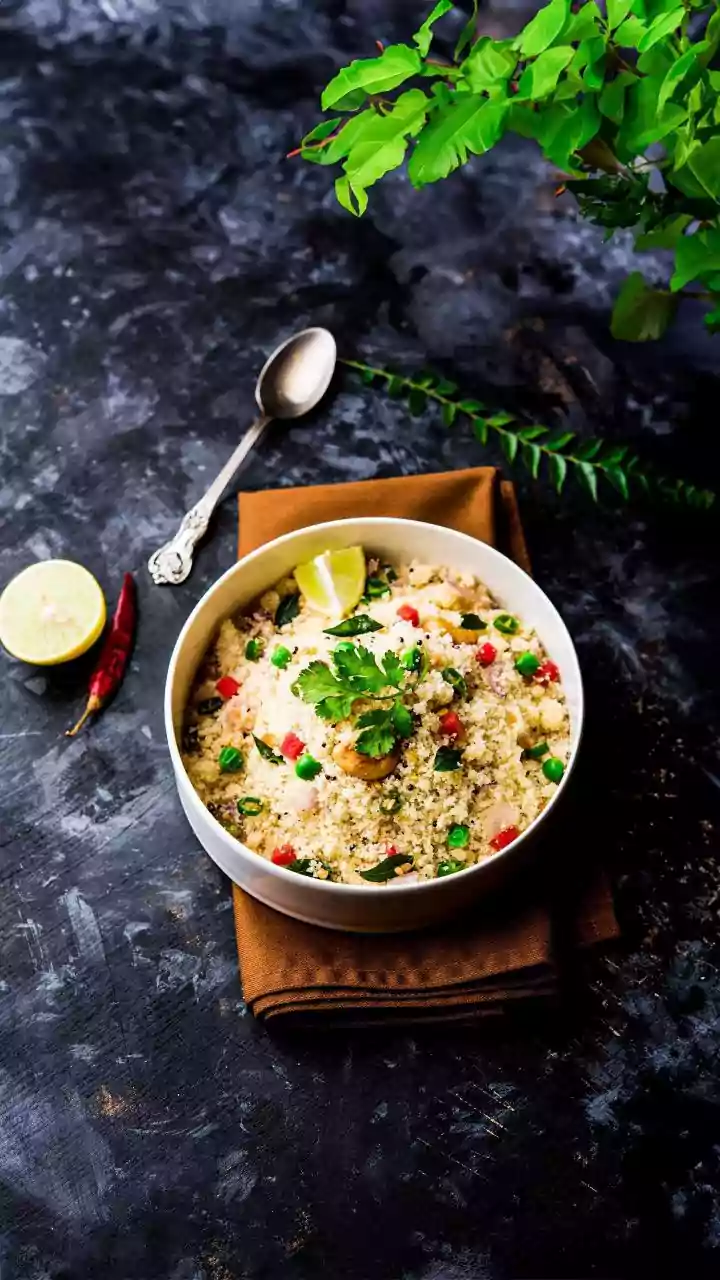
Pulses and lentils are a fantastic source of protein, which is essential for building a strong immune system. Moong dal, in particular, is celebrated for being exceptionally light and easy to digest, making it a perfect monsoon food. A simple khichdi made with rice and moong dal is a complete and comforting meal that supports gut health. Other good grain choices include barley, oats, and corn, which provide sustained energy and fibre.
Incorporate Probiotics like Curd
Gut health is directly linked to your overall immunity. Including probiotics in your diet helps maintain a healthy balance of gut bacteria. Freshly prepared homemade curd (yoghurt) or buttermilk (chaas) are excellent sources. They aid digestion and help prevent stomach infections, which are more common during the monsoon. Opt for plain curd and have it during the day, avoiding it at night if you are prone to colds.
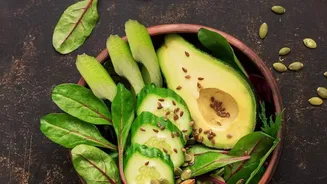
Snack Smart with Nuts and Seeds
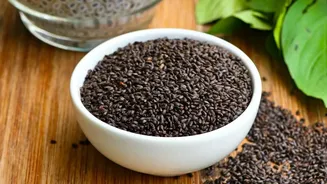
When you feel like snacking, instead of reaching for deep-fried pakoras, consider a handful of nuts and seeds. Almonds, walnuts, and flaxseeds are loaded with protein, healthy fats, Vitamin E, and antioxidants. They help support immune function and keep your energy levels stable on gloomy, rainy days. Roasted makhana (fox nuts) is another excellent low-calorie, nutrient-dense snack option.