





The Satellite Revolution, Downsized
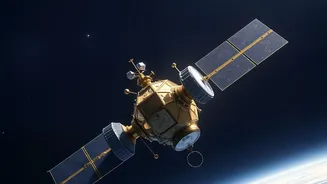
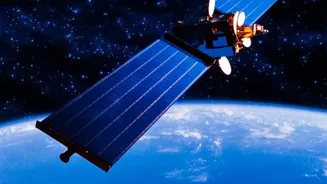
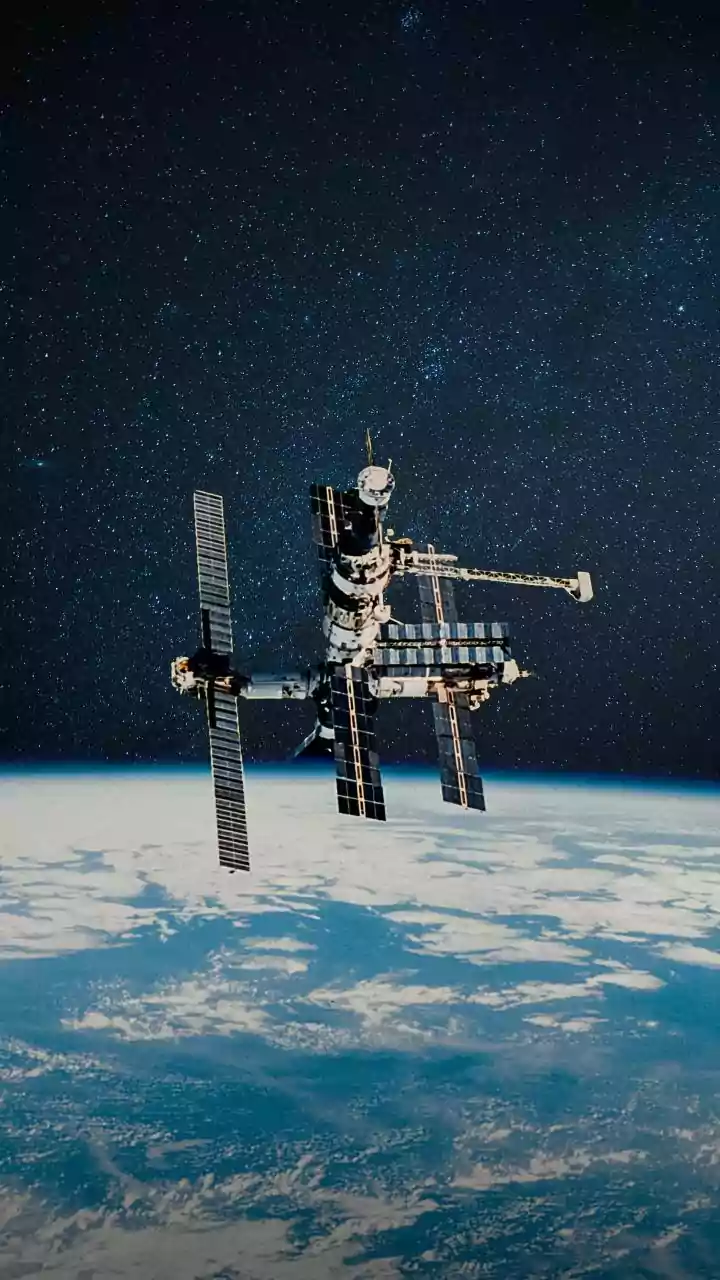
When you think of a satellite, you might picture a machine the size of a school bus, costing billions and taking years to build and launch. That was the old way. The new way involves 'smallsats', a category for satellites weighing less than 500 kilograms.
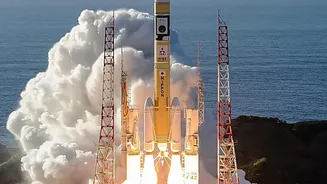
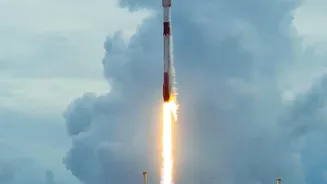
Many are far smaller, ranging from the size of a mini-fridge down to a loaf of bread, often called CubeSats. These aren't just shrunken versions of their predecessors; they represent a fundamental shift in space technology. Thanks to advancements in microelectronics, what once required a massive machine can now be packed into a compact, standardized frame. Instead of one bespoke, high-risk satellite, companies and countries can now launch dozens or even hundreds at a time, often as a 'rideshare' on a single rocket, dramatically reducing costs.
An Armada in Low Earth Orbit
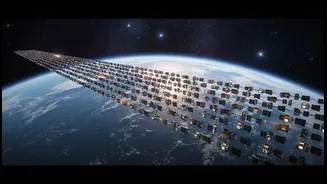
These smallsats typically operate in Low Earth Orbit (LEO), just 300 to 2,000 kilometres up, whereas traditional satellites orbit at 36,000 kilometres. This proximity is a game-changer. It slashes latency—the lag time in communication—making satellite internet feel as responsive as fibre optic for video calls, online gaming, and real-time data. By deploying thousands of these satellites into interconnected 'constellations', companies like SpaceX's Starlink, OneWeb, and Amazon's Kuiper are creating a planet-spanning mesh of connectivity. A single LEO satellite passes overhead in minutes, but in a dense constellation, another is always there to take over, providing continuous service to a small terminal on the ground. This architecture is finally making high-speed internet a reality for rural and remote areas that terrestrial infrastructure could never economically reach.
More Than Just Streaming
While providing broadband to underserved communities is the headline achievement, it's just the beginning. These constellations are a powerful engine for the Internet of Things (IoT). They can connect sensors and devices in the most remote locations imaginable—from tracking shipping containers across oceans to monitoring soil moisture in vast farmlands or managing water resources. This deluge of data enables smarter agriculture, more efficient logistics, and better disaster response. Furthermore, smallsats are revolutionising Earth observation, providing high-resolution imaging that can track deforestation, monitor climate change, and help cities with urban planning.
A Crowded Sky With New Challenges
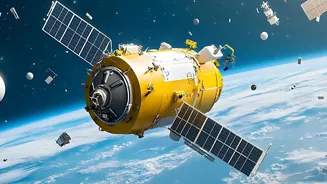
This rapid expansion is not without significant challenges. The sheer number of satellites being launched—tens of thousands, with more planned—is creating unprecedented traffic in LEO. This dramatically increases the risk of collisions, which can create clouds of fast-moving debris. A single fragmentation event, like one that happened to a Starlink satellite in March 2026, can generate dozens of pieces of space junk that threaten other active satellites. Scientists warn that as the orbital environment gets more crowded, we risk triggering a cascade effect known as the Kessler Syndrome, where collisions create debris that leads to more collisions, potentially rendering certain orbits unusable for generations. There are also concerns about light pollution from these constellations interfering with astronomical observations and the potential for a few dominant players to control this vital new layer of global infrastructure.