




The Allure of the Shoulder Season
For years, travel in India revolved around peak seasons—summer vacations and winter holidays. The monsoon was often seen as a time to stay home. However, that perception is changing. Travellers are discovering the unique charm of the post-monsoon period,
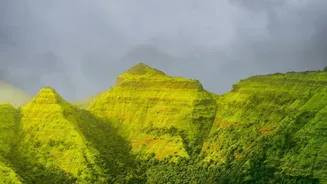
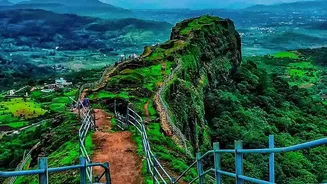
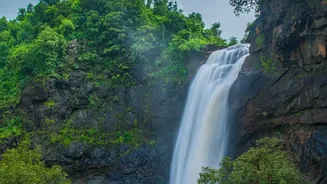
from September to November. This 'shoulder season' offers a sweet spot with pleasant weather, lush landscapes, and more affordable travel options. Destinations that were drenched and sometimes inaccessible during the peak rains now welcome visitors with clear skies, refreshed greenery, and a tranquil atmosphere, making it an ideal time for nature lovers to explore.
Munnar, Kerala: A Symphony in Green
If there's one place that embodies post-monsoon beauty, it's Munnar. After months of rain, the rolling tea plantations that define this hill station become a breathtaking expanse of emerald green. The waterfalls, such as Attukal and Lakkam, are full and majestic, cascading down hillsides that are shrouded in a romantic mist. The weather is cool and pleasant, perfect for leisurely strolls through tea gardens, visiting Eravikulam National Park to spot the Nilgiri Tahr, or taking a boat ride on Mattupetty Dam. With the peak tourist rush yet to begin, you can experience the serenity of the Western Ghats at a comfortable pace.
Coorg, Karnataka: The Scent of Coffee and Rain
Known as the 'Scotland of India', Coorg in Karnataka is another destination that comes alive after the rains. The region's vast coffee estates, which are a primary attraction, are at their most vibrant, filling the air with the scent of wet earth and fresh coffee beans. Key sights like Abbey Falls are spectacular during this period, roaring with the bounty of the monsoon. Viewpoints such as Raja's Seat offer stunning panoramic vistas of mist-covered valleys. The post-monsoon season is perfect for those looking to enjoy scenic drives, explore lush plantations, and find a peaceful retreat from city life.
Wayanad, Kerala: Raw and Rejuvenated
For travellers who appreciate nature in its most untamed form, Wayanad is a compelling post-monsoon choice. The district's dense forests, hidden caves, and towering peaks are reinvigorated by the rains. Waterfalls like Meenmutty are at their peak, and the entire landscape is a stunning showcase of green. The weather is ideal for trekking to places like Chembra Peak or exploring the ancient Edakkal Caves. As it's less crowded than during the peak winter season, it offers a more intimate connection with the region's rich biodiversity and natural beauty.
Shillong, Meghalaya: The Abode of Clouds
In the Northeast, Shillong and its surroundings offer a dramatic post-monsoon spectacle. Having received some of the heaviest rainfall in the country, the landscape is exceptionally lush. Roads become clearer, making it easier to explore attractions like Umiam Lake and the numerous waterfalls that dot the region. A trip to nearby Cherrapunji (Sohra) reveals dramatic landscapes with gushing waterfalls and the famous living root bridges set against misty, green hills. The cool, pleasant weather makes it a perfect time for sightseeing and soaking in the unique culture of Meghalaya before the colder winter months set in.
The Coastal Charm of Goa and the Andamans
While hill stations are a natural choice, coastal destinations also have a unique post-monsoon appeal. In Goa, the landscape is incredibly green, and the beaches are clean and quiet before the main tourist season begins in November. It's a great time to enjoy the state's serene side. Similarly, the Andaman and Nicobar Islands become particularly inviting as the monsoon recedes. The skies clear up, and the seas become calm, making it ideal for water activities like snorkelling and diving around islands like Havelock. It’s a window of opportunity to enjoy these popular spots in relative peace.