








The High Demand for a Ride to Orbit
The demand for commercial human spaceflight has never been higher. With the International Space Station (ISS) operating as a hub for science and commerce, and private space stations on the horizon, the need for reliable transportation for astronauts is
critical. Currently, SpaceX is the primary provider of these flights for NASA, but the agency's strategy has always relied on having multiple, redundant options to ensure safe and consistent access to space. Delays and technical challenges with other providers have highlighted the fragility of relying on a single system. This has created a significant push to increase not just the number of providers, but the overall launch cadence, which is currently limited by the complex logistics of preparing each multi-million dollar spacecraft for its next flight.
A Fiery and Complex Bottleneck
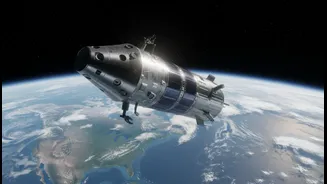
One of the most critical and time-consuming components in this process is the Thermal Protection System (TPS), or heat shield. This is the part of the spacecraft that protects the crew from the superheated, 1,600°C plasma generated during atmospheric reentry. Unlike in the movies, these aren't just simple plates of metal. They are highly advanced, often single-use or painstakingly refurbished composite structures. The manufacturing and inspection process is meticulous, involving specialized materials and immense manual labor to ensure there are no defects that could lead to a catastrophe. This intensive process makes the heat shield a key limiting factor in how quickly a crew capsule can be turned around for another mission, effectively creating a production bottleneck on Earth that dictates the pace of travel in space.
Rethinking the Aerospace Supply Chain
The aerospace industry has traditionally relied on a highly concentrated supply chain, which has proven to be fragile in the face of disruptions. A single point of failure can have cascading effects, leading to delays and cost overruns. In response, there is a major industry-wide push to diversify and localize manufacturing for critical components. This involves creating a more resilient network of suppliers in different regions to reduce dependency on any single source. This strategic shift isn't just about managing risk; it's about building capacity. By expanding the industrial base, companies can increase production rates, accelerate innovation, and secure their ability to meet future demand.
The Indigenous Manufacturing Advantage
This is where investment in indigenous-owned manufacturing offers a powerful strategic advantage. In India, the government and the Indian Space Research Organisation (ISRO) have actively partnered with domestic companies to indigenise the production of critical space components, reducing foreign reliance and boosting the national industry. Similarly, in the United States and Canada, indigenous-owned firms have become key suppliers in the high-tech defense and aerospace sectors, managing complex logistics and manufacturing advanced components. These companies represent a skilled, motivated, and untapped resource for the commercial space industry. NASA itself has a mandate to work with tribal nations and their businesses, having obligated over a billion dollars in contracts in a single fiscal year.
Accelerating the Future of Spaceflight
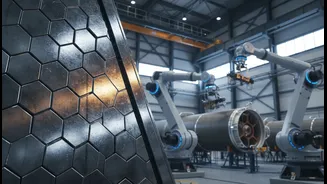
By investing in indigenous-led production facilities for thermal shields, the commercial space industry can establish new, parallel supply chains. This immediately reduces the strain on existing manufacturers and builds redundancy into the system. It also brings new manufacturing hubs online, often in regions with a dedicated workforce and the potential for streamlined, modern production techniques like advanced 3D weaving or additive manufacturing. This isn't just about outsourcing; it's about strategic partnership. It creates economic opportunities within indigenous communities while directly addressing a critical bottleneck that is holding back the entire commercial space sector. More shields mean more flights, a faster launch cadence, and a more robust and competitive American presence in orbit.