






More Than Just a Green Label
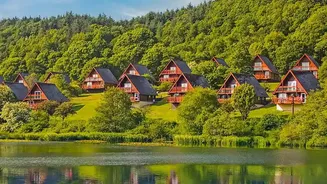
So, what exactly is an eco-lodge? It’s far more than a hotel with a recycling bin. True eco-lodges are built on a foundation of sustainability, with a minimal footprint on the surrounding environment. They are often constructed using local, natural materials
like bamboo and reclaimed wood, designed to blend into the landscape. Key principles include using renewable energy, practicing rigorous waste management, and conserving water, often through systems like rainwater harvesting. But their commitment goes beyond just environmental practices. These lodges are defined by their deep connection to their location, offering guests an immersive and educational experience that fosters an appreciation for the local ecosystem and culture.
The Rise of the Conscious Traveller
This shift isn’t just happening in a vacuum; it's being driven by a new generation of Indian travellers. Post-pandemic, there has been a significant move towards slower, more intentional journeys that offer a sense of rejuvenation. A growing awareness of climate change and the impact of overtourism on popular destinations has also played a huge role. Reports show a remarkable number of Indian tourists—as high as 87%—plan to travel more sustainably. Younger travellers, in particular, are seeking authentic experiences that align with their values, prioritizing environmental conservation and cultural immersion over conventional luxury. This rising demand for responsible travel has created the perfect environment for eco-lodges to thrive.
Empowering Communities, Not Just Tourists
Perhaps the most profound impact of the eco-lodge movement is its focus on community. Unlike large hotel chains that can sometimes operate in isolation, eco-lodges are deeply integrated with the local population. They create sustainable livelihoods by employing local guides, artisans, and staff, ensuring that tourism revenue directly benefits the community. This economic empowerment provides a powerful incentive for conservation, as local people become stakeholders in the protection of their natural heritage. By offering activities like village walks, craft workshops, and meals made from locally sourced produce, these lodges also help preserve and promote traditional culture, creating a respectful and meaningful exchange between guests and hosts.
From Himalayan Retreats to Jungle Sanctuaries
Across India, exceptional eco-lodges are setting the standard. In the Sasan Gir forest, Woods At Sasan is a wellness retreat built within a mango orchard, championing sustainable practices and community collaboration. In Madhya Pradesh, Samode Safari Lodge, located near Bandhavgarh National Park, showcases eco-architecture inspired by local villages and runs on solar power. Down south, in the Western Ghats, resorts like the Evolve Back properties in Coorg and Kabini blend luxury with a profound respect for nature, situated within vast coffee plantations and on the edge of wildlife-rich territories. These properties, and many others like them, demonstrate that comfort and sustainability can go hand in hand, offering unique experiences rooted in their specific environments.
The Path Forward: Challenges and Opportunities
Despite the positive momentum, the path to truly sustainable tourism has its hurdles. The threat of "greenwashing"—where properties make misleading claims about their environmental practices—is a real concern. Furthermore, the infrastructure needed to support eco-tourism in remote areas can be lacking, and there is a need for consistent policies to prevent over-development around fragile ecosystems. However, the opportunity is immense. As more travellers demand transparency and genuine sustainability, the industry is being pushed to innovate. Government initiatives and the growing number of certified eco-friendly properties are helping to build a more robust and responsible tourism sector in India.