



Gathering Your Supplies
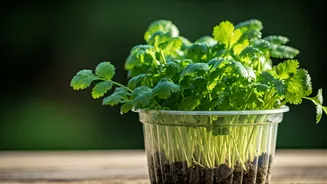
Before you start, you'll need a few basic items. Most importantly, choose a pot that is at least 8 to 10 inches deep. Coriander develops a long taproot, so a deeper pot is crucial for healthy growth. Ensure the pot has drainage holes at the bottom to prevent
waterlogging, which can cause root rot. You will also need a good quality, well-draining potting mix. Look for a loamy or sandy loam soil, and consider mixing in some organic matter like compost to enrich it. Lastly, you’ll need coriander seeds. You can purchase these from a garden store or even use whole coriander seeds from your kitchen spice box, though seeds sold for gardening often have better germination rates.
Planting Your Coriander Seeds
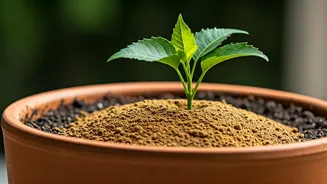
Coriander doesn't like having its roots disturbed, so it's best to sow the seeds directly into the pot where they will grow. For faster germination, you can gently crush the whole coriander seeds into two halves or soak them in water overnight. Fill your pot with the prepared soil mix. Sow the seeds about half an inch deep, spacing them a couple of inches apart to give them room to grow. Don't overcrowd the pot. After sowing, cover the seeds with a thin layer of soil and water gently, ensuring the soil is moist but not soggy. You can expect to see seedlings sprout in about 7 to 14 days.
The Right Amount of Sun and Water
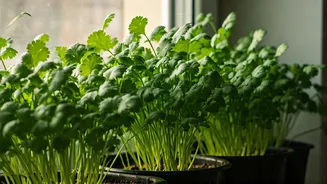
Your coriander will thrive on a windowsill that receives at least four to six hours of sunlight daily. Morning sun is generally preferred, as intense afternoon heat can cause the plant to 'bolt'—flower prematurely and stop producing leaves. When it comes to watering, consistency is key. Keep the soil evenly moist but never waterlogged. A good rule of thumb is to water when the top inch of the soil feels dry to the touch. Ensure excess water can drain away freely.
Harvesting for a Continuous Supply
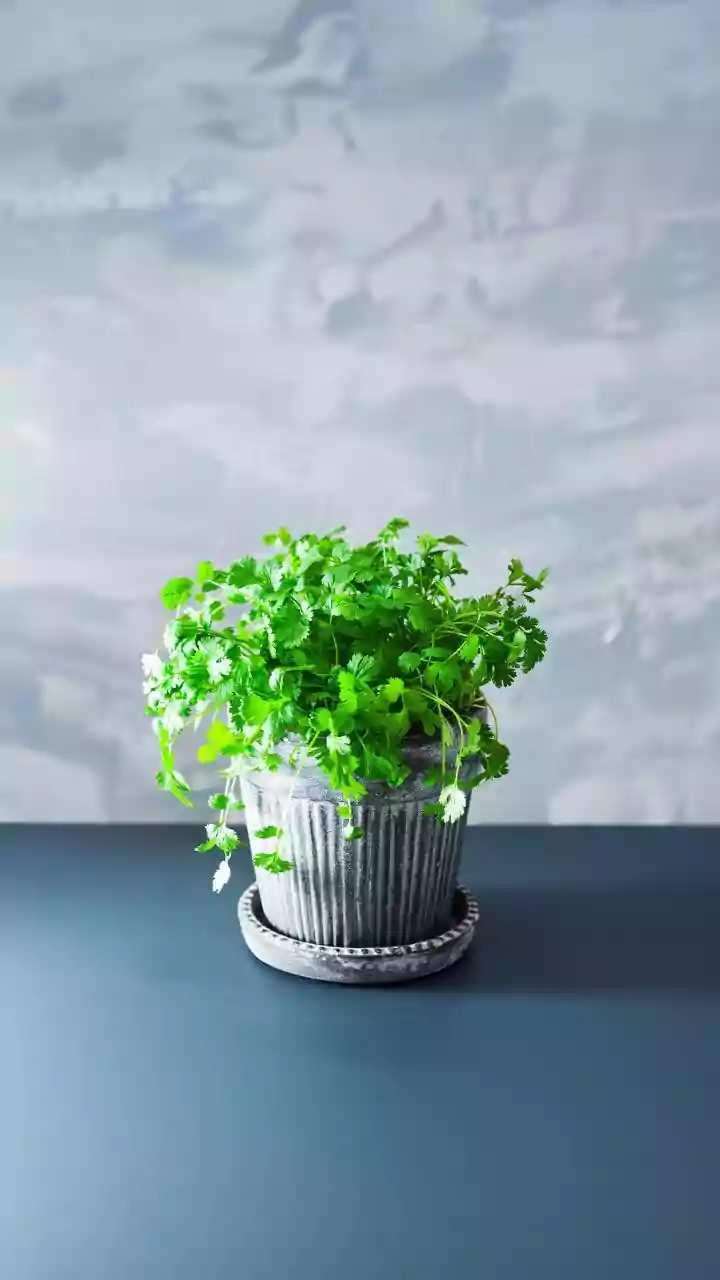
Once your plants are about six inches tall and have plenty of leaves, you can begin harvesting. The best way to ensure a continuous supply is to snip the outer, larger leaves first, leaving the smaller, inner leaves to continue growing. Avoid cutting more than one-third of the plant at a time. This regular trimming encourages the plant to produce more foliage, extending your harvest period. If you see flower stalks appearing, pinch them off to prolong leaf production, unless you want to harvest the coriander seeds later.
Keeping it Organic and Pest-Free
Growing coriander indoors reduces the risk of pests, but it's not impossible to encounter them. Aphids are a common issue. To stay organic, you can often dislodge them with a strong spray of water. For more persistent pests, a simple solution of neem oil mixed with water and a drop of mild soap can be sprayed on the leaves. This disrupts the pests' life cycle without harming your plant or introducing harsh chemicals. Proper air circulation around your plant can also help prevent pests from settling in.
Succession Planting for Year-Round Dhaniya
Coriander is a fast-growing annual herb, meaning it completes its life cycle in one season. To ensure you have a constant supply of fresh leaves, the secret is succession planting. Instead of planting all your seeds at once, sow a new small batch every two to three weeks. This way, as one pot of coriander begins to mature and bolt, you'll have another one ready for harvesting. This simple strategy allows you to enjoy fresh, home-grown *dhaniya* all year round.