






The Truth About Insect Hotels
Walk into any garden store, and you'll see them: charming, rustic-looking 'hotels' for bugs, often made of bamboo tubes, drilled logs, and pinecones packed into a wooden frame. The idea is lovely—to provide a safe space for solitary bees and other beneficial
insects to nest and shelter, especially in urban areas where natural habitats are scarce. They are marketed as an easy, one-stop solution for anyone wanting to help pollinators. While well-intentioned, these decorative hotels often fall short of their promise and can, in some cases, do more harm than good.
Why Most Bug Hotels Don't Work
The main problem with many mass-produced insect hotels is that they are poorly designed. The bamboo tubes are often too wide or too shallow for native Indian bees, the materials aren't breathable, or everything is glued in place, making cleaning impossible. This leads to a build-up of parasites, mites, and fungal diseases that can spread rapidly in the high-density living quarters, turning the hotel into a death trap rather than a sanctuary. Furthermore, these structures can be colonized by more aggressive, non-native species that push out the local bees you were trying to help. Most importantly, an insect hotel is just an empty building. Without a food source nearby, it's like opening a restaurant with no kitchen. Insects need food—pollen and nectar—far more than they need a pre-fabricated house.
Think Food and Shelter, Not Real Estate
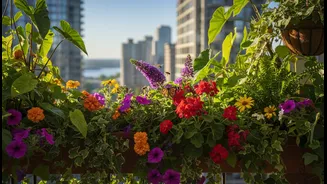
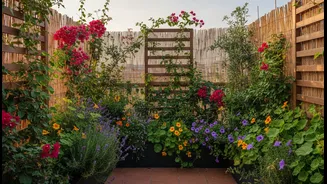
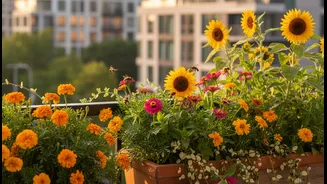
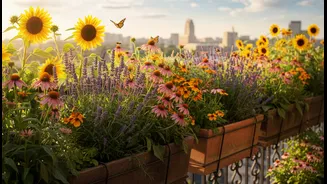
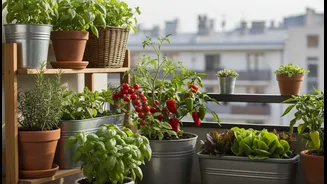
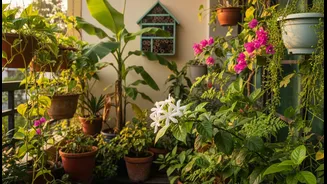
The single most effective thing you can do to boost biodiversity on your balcony is to plant the right plants. Plants offer both food and natural shelter. A dense pot of herbs provides countless nooks and crannies for insects to hide from predators and the elements. The undersides of leaves offer refuge. A plant-filled balcony is a complete ecosystem, providing everything insects need to thrive. Think of your balcony not as a housing development, but as a vibrant café and grocery store for local wildlife. When the food is good, the visitors will come, and they will find their own places to rest.
Power-Packed Pollinator Plants for India
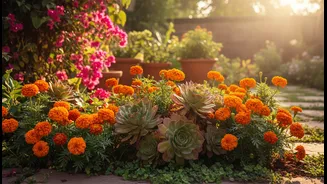
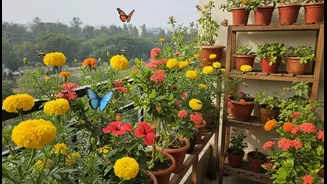
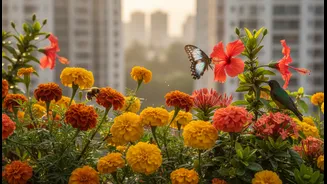
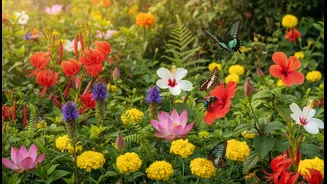
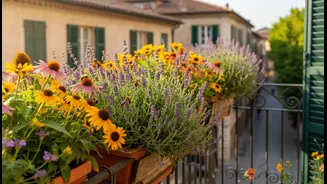
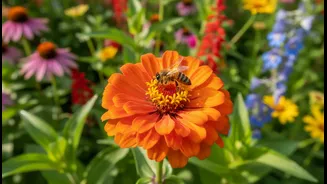
To create a welcoming buffet, you need a variety of flowers that bloom at different times. For Indian balconies, certain plants are guaranteed to attract a buzz. Marigolds (Genda) are not only culturally significant but their bright, nectar-rich flowers are magnets for bees. Fragrant Jasmine (Mogra) attracts pollinators with its sweet scent, especially night-flying moths. Tulsi (Holy Basil), if you let it flower, will be swarmed by tiny native bees. Other excellent choices that thrive in pots include vibrant Hibiscus, hardy Lantana, and colourful Zinnias and Cosmos. These provide a steady supply of nectar for a wide range of bees and butterflies.
Go Beyond Flowers: Offer a Nursery
To support the entire lifecycle of insects like butterflies, you need to provide not just nectar for the adults, but also food for their young. These are called host plants. For instance, planting a Curry Leaf (Kadi Patta) tree in a pot might attract the Common Mormon butterfly, which lays its eggs on the leaves. The Indian Milkweed is the host plant for the Plain Tiger butterfly. Similarly, allowing herbs like dill and fennel to grow freely will support caterpillars. Yes, they will munch on some leaves, but that's a small price to pay for the joy of watching butterflies emerge and for creating a truly functional ecosystem on your balcony.
The Golden Rule: Go Native
Whenever possible, choose native Indian plants. Local plants have evolved alongside local insects, creating a perfect partnership. They are better suited to the climate, require less maintenance, and provide the specific type of nourishment that native pollinators need. Foreign ornamental plants might look beautiful, but they often offer little to no value for local wildlife. A simple pot of native Genda or Tulsi will do more for biodiversity than an entire collection of exotic flowers that local bees and butterflies simply don't recognise. Start with a few pots of the right plants, and you'll be amazed at the life that appears.