

From Off-Season to On-Trend
For years, the monsoon has been considered the tourism industry's off-season. Conventional wisdom dictated that rainy weather was for huddling at home, not for heading out on vacation. However, a significant shift is underway. What was once a deterrent
is now the main attraction for a growing number of domestic travellers. Recent data from travel platforms like Airbnb shows a nearly 40% year-on-year jump in searches for domestic monsoon getaways. The rainy season is no longer just a period to endure between summer and winter holidays; it has become a powerful travel driver in its own right. This isn't just about a handful of rain-lovers, or 'pluviophiles', anymore; it's a mainstream movement changing how Indians plan their leisure time.
The Rise of the 'Micro-Cation'
Driving this trend is a change in travel philosophy, particularly among younger generations like Gen Z. The long, planned annual vacation is giving way to more frequent, shorter, and spontaneous trips dubbed 'micro-cations'. Many younger travellers prefer taking several small three- to five-day trips over one long holiday. The monsoon, with its numerous long weekends and public holidays, provides the perfect opportunity for these quick escapes. Improved road connectivity, budget flights, and a more flexible work culture have made it easier than ever to plan a last-minute trip to chase the rain, without burning through an entire year's worth of leave.
Chasing Waterfalls, Not Just Deals
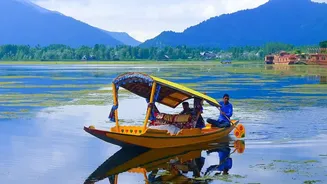
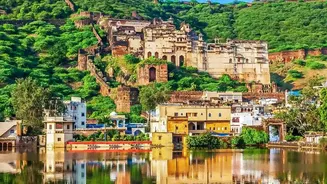
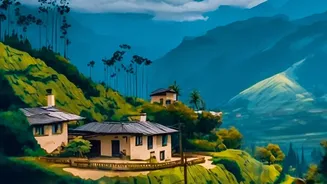
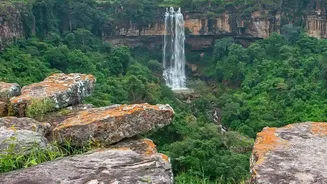
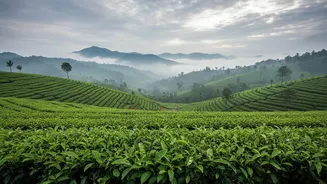
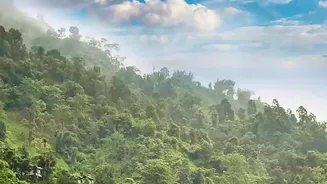
While lower off-season prices were once the primary incentive for monsoon travel, today's motivations are far more experiential. Travellers are actively seeking the unique beauty that the rains bring: lush, emerald landscapes, mist-covered hills, and roaring waterfalls. Destinations are being chosen specifically for their monsoon charm. In Goa, tourists are swapping crowded beaches for the quiet, green hinterlands and gushing waterfalls. Hill stations like Coorg, Munnar, Lonavala, and Mussoorie are seeing bookings surge as they become verdant paradises. Even desert states like Rajasthan are developing a monsoon allure, with cities like Udaipur and Jaipur offering a romantic, rain-washed charm around their lakes and palaces. The desire is to connect with nature when it's at its most dramatic and rejuvenated.
An Industry Awakens to the Rain
The travel and hospitality industry has taken note. What was once a quiet quarter is now a bustling mini-season. Hotels and travel companies, which previously offered deep discounts to fill empty rooms, now see sustained demand and are creating curated monsoon packages. Pricing in popular destinations like Goa has become more resilient, no longer dropping as steeply as it once did. Hotels are promoting holistic experiences that go beyond sightseeing, focusing on wellness, regional cuisine, and indoor activities that complement the weather. This structural shift means resorts in places like the Western Ghats or the hills of Uttarakhand are now in demand for their rain-soaked views, proving that the right atmosphere can be as luxurious as any five-star amenity.
A Shift in the Traveller's Mindset
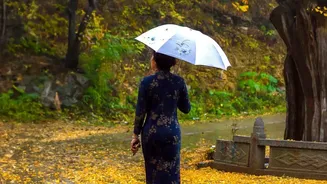
Ultimately, the rise of monsoon travel is about more than just weather; it's about a change in mindset. It represents a move away from ticking off sightseeing checklists and toward slower, more immersive experiences. The goal is no longer to avoid inconvenience but to embrace the atmosphere. Travellers are seeking the tranquility of fewer crowds and the simple pleasure of watching the rain from a cozy homestay or boutique resort. It's a travel trend that prioritises feeling and experience over flawless, sunny weather. Social media also plays a role, with rain-kissed photos of misty valleys and green landscapes becoming a badge of honour for those seeking authentic and unique travel stories.