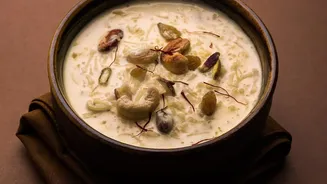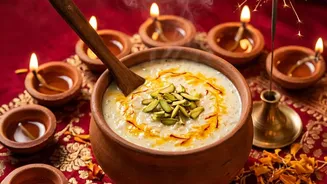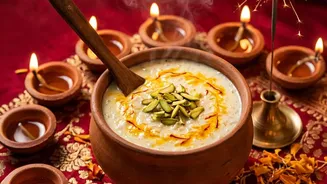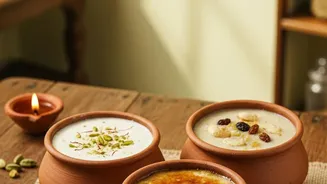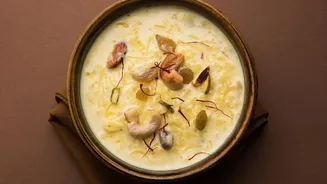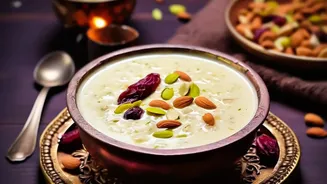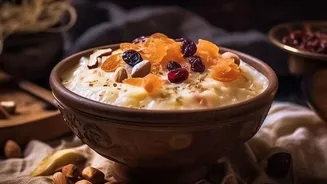






In India, kheer is more than just a dessert; it’s a bowlful of comfort and celebration. But long before refined sugar became a staple, a rustic, earthy version existed, sweetened naturally with the bounty of the harvest: fresh sugarcane juice.
A Sweetness Rooted in the Soil
Known by
many names—Ganne ka Kheer, Roh di Kheer, and Rasiya—this traditional dessert hails from the sugarcane-growing heartlands of India, particularly Punjab, Uttar Pradesh, and Bihar. It is a culinary gem born from agricultural rhythms, prepared primarily during the winter harvest season to celebrate the fresh cane crop. Unlike the familiar creamy-white rice pudding, this version is defined by its primary ingredient: pure, unadulterated sugarcane juice. This kheer is not just food; it's a celebration of the land, a taste of the season, and a tradition that connects generations to their agricultural roots.
What Makes the Flavour So Different?
The fundamental difference lies in swapping the usual milk and sugar base for slow-cooked sugarcane juice. This simple change transforms the entire flavour profile. Instead of the simple, creamy sweetness of a typical kheer, sugarcane juice imparts a deep, earthy, and complex sweetness with notes reminiscent of jaggery and caramel. The texture is also distinct. While some recipes add a splash of milk towards the end for creaminess, the foundation is the simmering juice, which reduces and thickens, lovingly coating every grain of rice. The result is a dessert that is sweet yet profoundly rustic and soulful.
The Art of Slow Cooking
Making Ganne ka Kheer is an exercise in patience. The process begins with boiling fresh sugarcane juice in a heavy-bottomed pan. As it heats, impurities rise to the surface as a scum, which is diligently skimmed off to ensure a cleaner taste and lighter colour. Once the juice is clarified, soaked rice—often a fragrant local variety like Basmati or Gobindobhog—is added. The mixture is then left to simmer on a low flame, requiring occasional stirring until the rice is perfectly cooked and has absorbed the sweet, aromatic juice. The slow reduction concentrates the flavours, creating a thick, pudding-like consistency. Finally, it's often flavoured with a hint of cardamom and garnished with nuts.
A Celebration in a Bowl
This kheer is intrinsically linked to winter festivals that mark the harvest season. In Punjab, Roh di Kheer is a staple during Lohri, a festival celebrating the end of peak winter and the harvest of rabi crops. Families would traditionally cook it over a slow wood fire and offer it to the bonfire as a mark of gratitude. Similarly, in parts of Bihar and eastern Uttar Pradesh, a version called Rasiya is prepared as a sacred offering, or 'prasad', during Chhath Puja. Eating this kheer is a way of honouring the harvest and sharing the sweetness and prosperity of the season with the community.
The Revival of a Forgotten Classic
In a world of instant desserts and processed sweets, Ganne ka Kheer represents a return to simpler, more natural ingredients. While it may have faded from many urban kitchens, food enthusiasts and chefs are now rediscovering this 'lost' recipe, celebrating it for its authenticity and unique flavour. It stands as a delicious reminder that traditional Indian cuisine holds countless treasures, each with a story to tell. This humble dessert is more than just a sweet dish; it’s a taste of history, a connection to the harvest, and a delicious expression of India's rich culinary diversity.