
Why Texture Is Your Secret Weapon
Taste is often what we talk about, but texture is frequently what makes a dish truly satisfying. It is our first and often lasting impression of food. The creaminess of a dal, the crunch of a perfectly fried samosa, or the chewiness of a fresh roti—these
sensations are critical to the eating experience. When an ingredient is missing, its textural contribution is often what you miss most. A curry without its creamy base feels thin, and a salad without a crunchy element feels flat. By identifying the primary textural role of a missing ingredient, you can make a much more intelligent substitution. This approach moves beyond simple one-to-one swaps and empowers you to maintain the fundamental structure and satisfaction of your dish, even when you have to improvise. Consumers often reject food if the texture isn't right, which shows how vital it is to get it right.
The Creamy and Smooth Swap
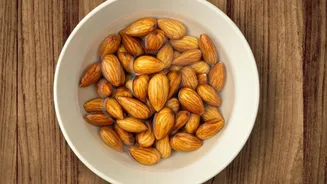
Creaminess adds a luxurious, comforting quality to dishes, from rich gravies to silky desserts. When you're out of heavy cream or full-fat yoghurt, the goal is to replicate that smooth, rich mouthfeel. For savoury dishes like curries, a paste of soaked and blended cashews or almonds works wonders. Coconut cream or full-fat coconut milk is another excellent dairy-free alternative that provides richness, though it will impart its flavour. In soups and sauces, even pureed silken tofu or well-cooked, blended white beans can add a surprising creaminess without altering the taste profile significantly. For a quick fix, combining whole milk with melted butter can mimic the fat content and richness of heavy cream in many cooked applications. Even pureed, cooked vegetables like potatoes or cauliflower can be used to thicken soups and lend a creamy consistency.
Mastering the Crispy and Crunchy
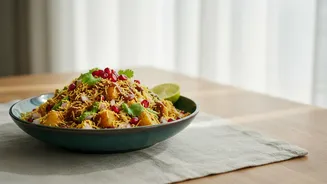
Crunch provides an exciting contrast in food that keeps our palate engaged. Think of the delightful sound and feeling of biting into something crispy. If your recipe calls for breadcrumbs for a crispy topping and you have none, look around your pantry. Crushed cornflakes, potato chips, or even savoury biscuits can provide a fantastic crunch on baked dishes. For salads, instead of croutons, try adding toasted nuts like almonds or walnuts, roasted chickpeas, or even toasted sunflower or pumpkin seeds. In Indian cooking, a sprinkle of sev or crushed papad just before serving can add that last-minute crispy texture to chaats, dals, and vegetable preparations. The key is to add these elements late in the process to prevent them from becoming soggy and losing their delightful crunch.
Finding the Right Chew
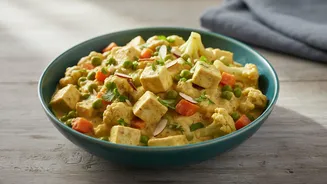
A chewy texture gives a dish substance and makes it feel more satisfying and hearty. This texture is common in everything from breads and noodles to meats and cheese. When substituting a chewy ingredient, you need to find something with a similar dense and resilient structure. For a vegetarian dish where you might miss the chew of meat, ingredients like firm paneer, halloumi, or well-pressed extra-firm tofu are excellent substitutes. Sautéed or grilled mushrooms, especially portobellos, also offer a satisfyingly meaty chew. In the world of grains, if you're out of a specific type of noodle, another with a similar bite will work well. Tofu skin noodles can be a good lower-calorie option. Even certain vegetables, when cooked right—like aubergine or jackfruit—can develop a pleasant, chewy quality that adds wonderful substance to curries and stir-fries.
The Binding and Structural Role
Some ingredients work behind the scenes, providing structure or binding everything together. Eggs are a classic example, providing leavening, moisture, and structure in baked goods. When you need an egg substitute in baking, a 'flax egg'—made by mixing one tablespoon of ground flaxseed with three tablespoons of water and letting it sit until gelatinous—is a popular vegan choice. Mashed bananas or applesauce can also work as binders in muffins and quick breads, though they add flavour and moisture. For recipes that require a gelling agent like gelatin, agar-agar is a fantastic plant-based substitute derived from seaweed. In savoury dishes like koftas or vegetable patties, mashed potato or breadcrumbs often serve as the primary binder. Understanding this structural function is key to preventing your dish from falling apart, literally.