
From the Pantry to Your Palette
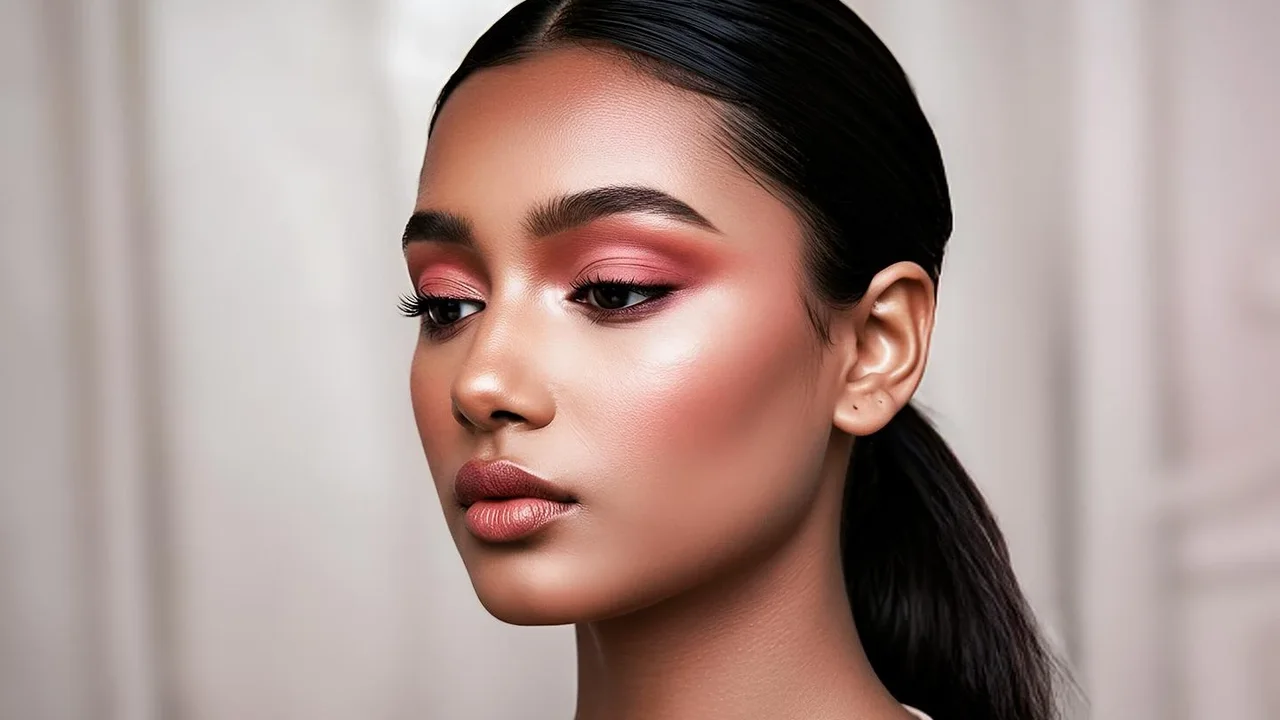
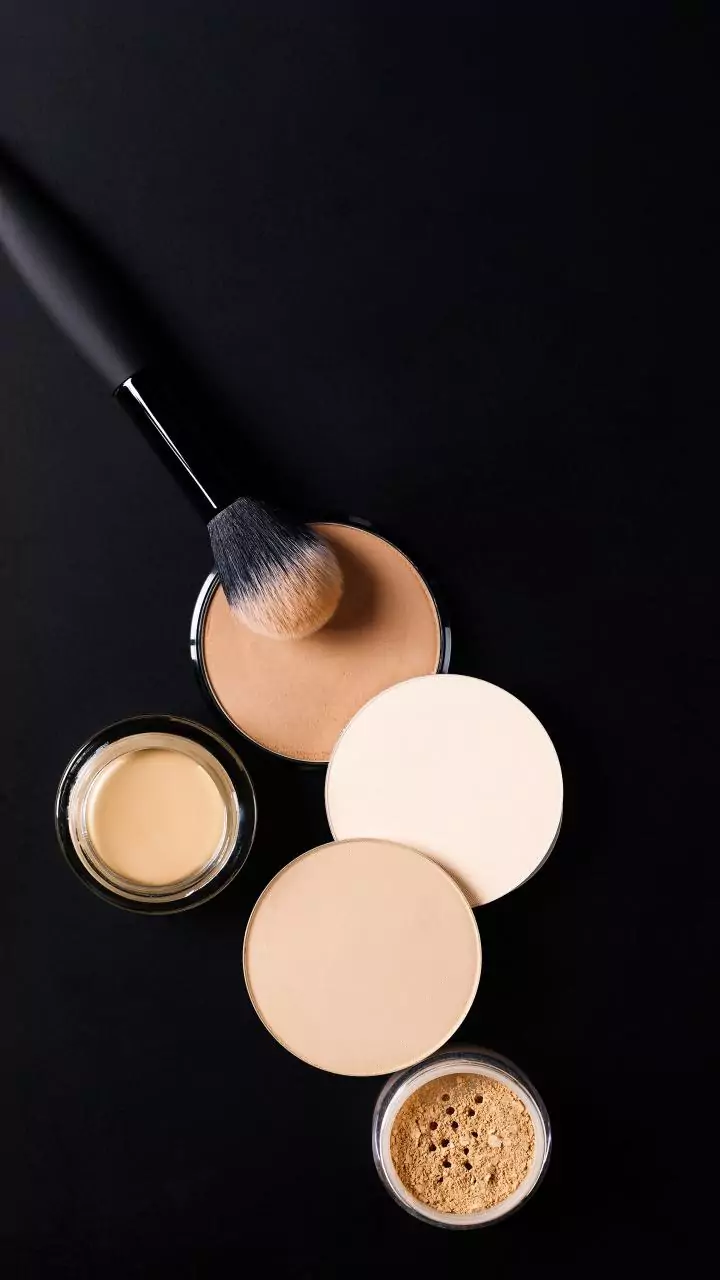
The latest wave in beauty is unapologetically delicious. Known as the 'gourmand' trend, this movement sees makeup and skincare drawing inspiration directly from the world of food. Think of the viral "latte makeup" look, with its warm, coffee-toned bronzers
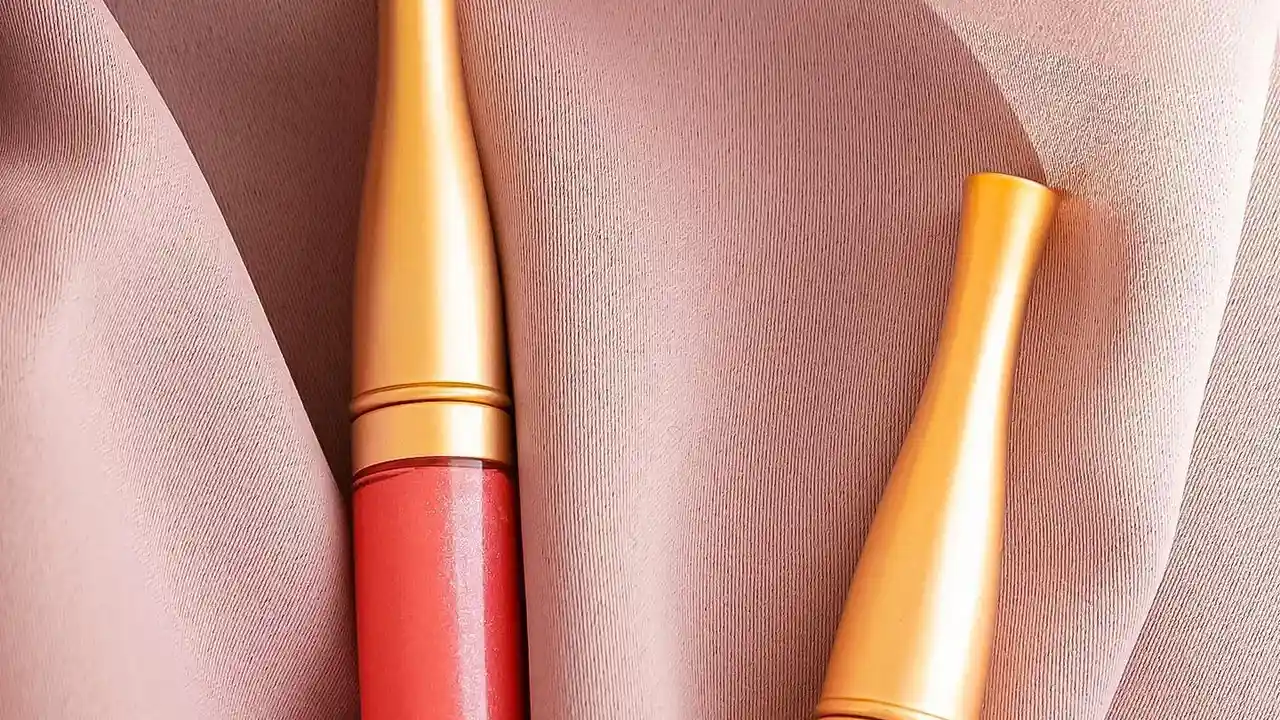
and creamy beige eyeshadows, or the sweet "strawberry girl" aesthetic, which champions a flushed, berry-stained cheek and glossy lip. Brands are launching products that don't just have foodie names; they are designed to evoke the entire sensory experience of eating. Lip oils come in shades like "Raspberry Jelly" and "Hot Cocoa," while blushes are named after cherry scones and vanilla toffee. It's a strategic shift that turns a simple product into a crave-worthy treat, making beauty feel more playful and personal than ever.
A Feast for the Senses
This trend is about more than just clever marketing names. It’s a full-on sensory assault. Fragrance is playing a huge role, with modern gourmand scents moving beyond the simple, sugary body sprays of the past. The new sweet scents are sophisticated and complex, balancing notes of vanilla, caramel, and cacao with florals, woods, and spices to create fragrances that are inviting rather than overpowering. Perfumers are crafting scents that capture the hyper-realistic essence of food—not just strawberry, but juicy strawberry with a hint of green leaf; not just vanilla, but a smoky, toasted vanilla bean. Textures are also getting the gourmet treatment, with buttery balms, milky serums, and high-shine glosses that mimic the satisfying look of a perfect donut glaze. The goal is to create an emotional connection that goes beyond sight.
The Comfort of Cravings
So, why are we so drawn to beauty products that remind us of food? The answer lies in psychology. Food is intrinsically linked to comfort, pleasure, and positive memories. When a beauty brand associates a product with the nostalgic joy of a favourite dessert or the comforting ritual of a morning coffee, it forges an immediate emotional connection with the consumer. In a world that often feels fast-paced and uncertain, these familiar scents and aesthetics offer a small moment of reassurance and indulgence. This emotional resonance is powerful. It makes a new product feel instantly familiar and desirable, tapping into our cravings and turning a simple purchase into a mood-boosting experience. It’s less about needing another lip balm and more about wanting the feeling that a "vanilla cashmere" flavour promises.
Viral Sensations and Celebrity Endorsements
Social media has thrown fuel on this culinary fire. Platforms like TikTok and Instagram are the perfect vehicles for visual and trend-driven content, and a "Peanut Butter and Jelly" lip combo or a "Sun Milk" sunscreen campaign is far more likely to go viral than a standard product launch. Celebrity-led brands have been particularly adept at leveraging this. Hailey Bieber's brand, Rhode, has built a significant part of its identity around food-inspired marketing, famously partnering with Krispy Kreme for a "Strawberry Glaze" lip treatment that sold out almost instantly. These collaborations create cultural moments that blur the lines between beauty, food, and pop culture, generating immense buzz and making the products feel like must-have accessories.
More Than Just a Pretty Scent
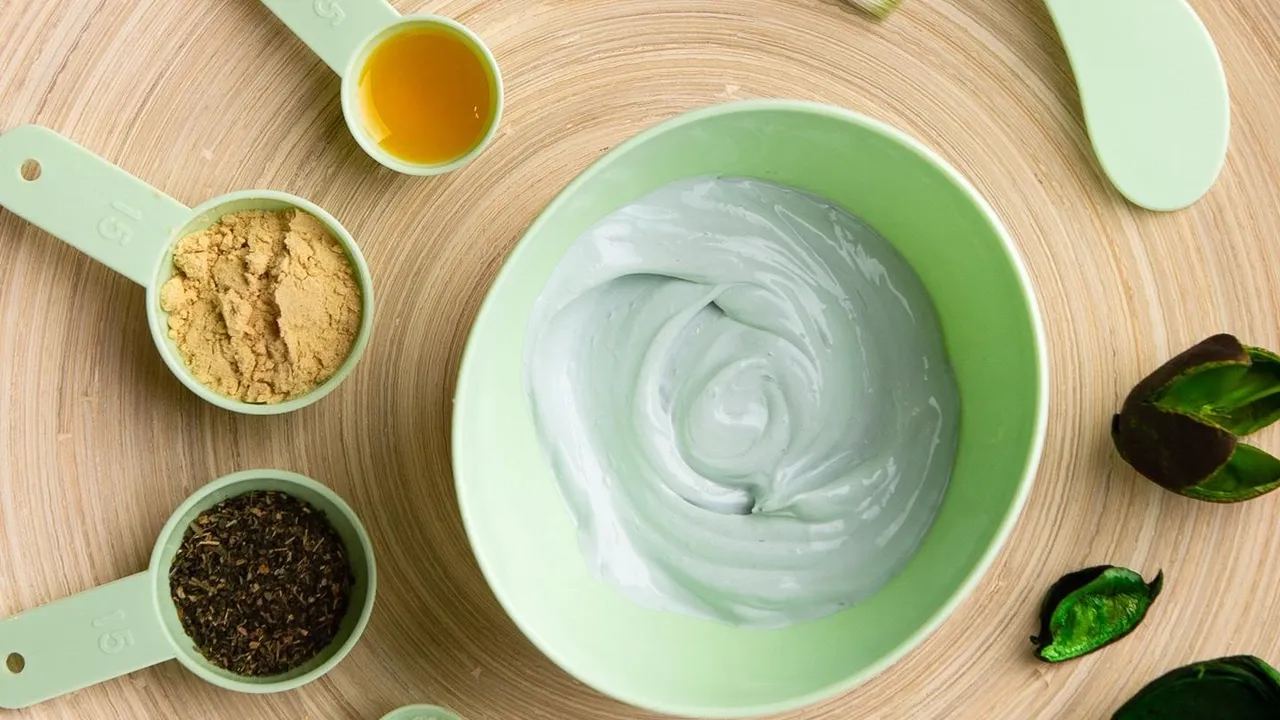
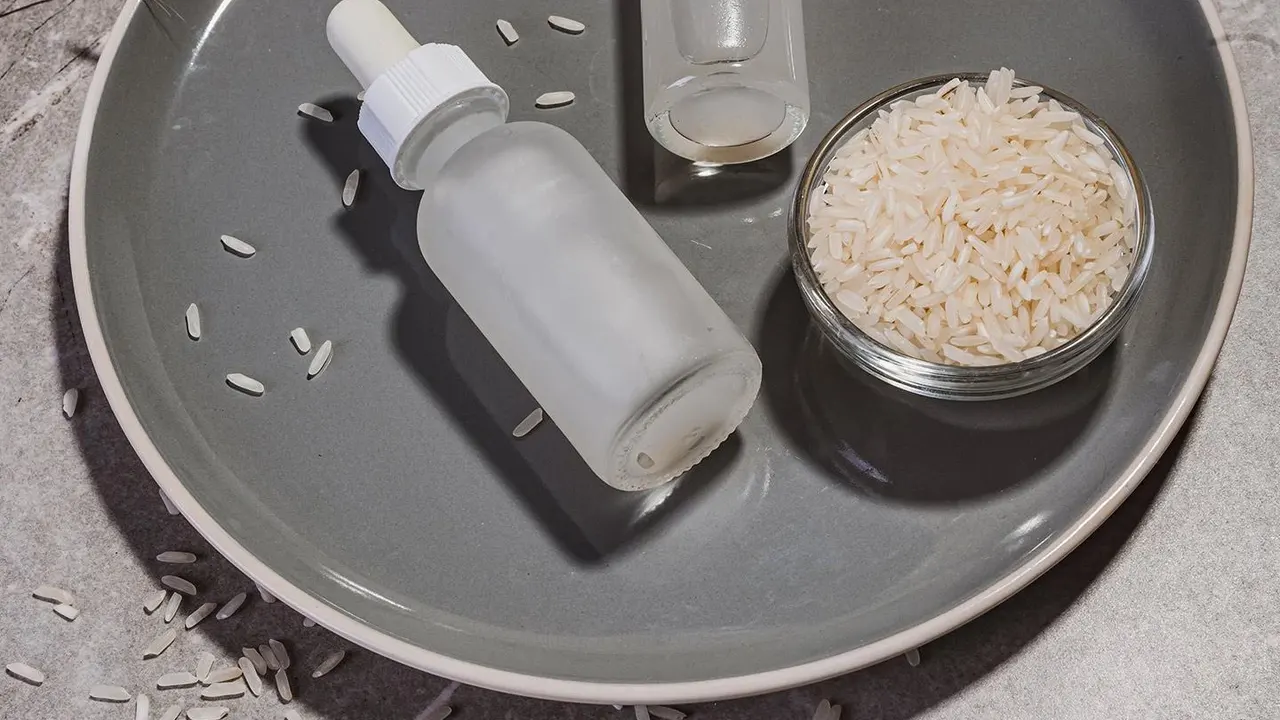
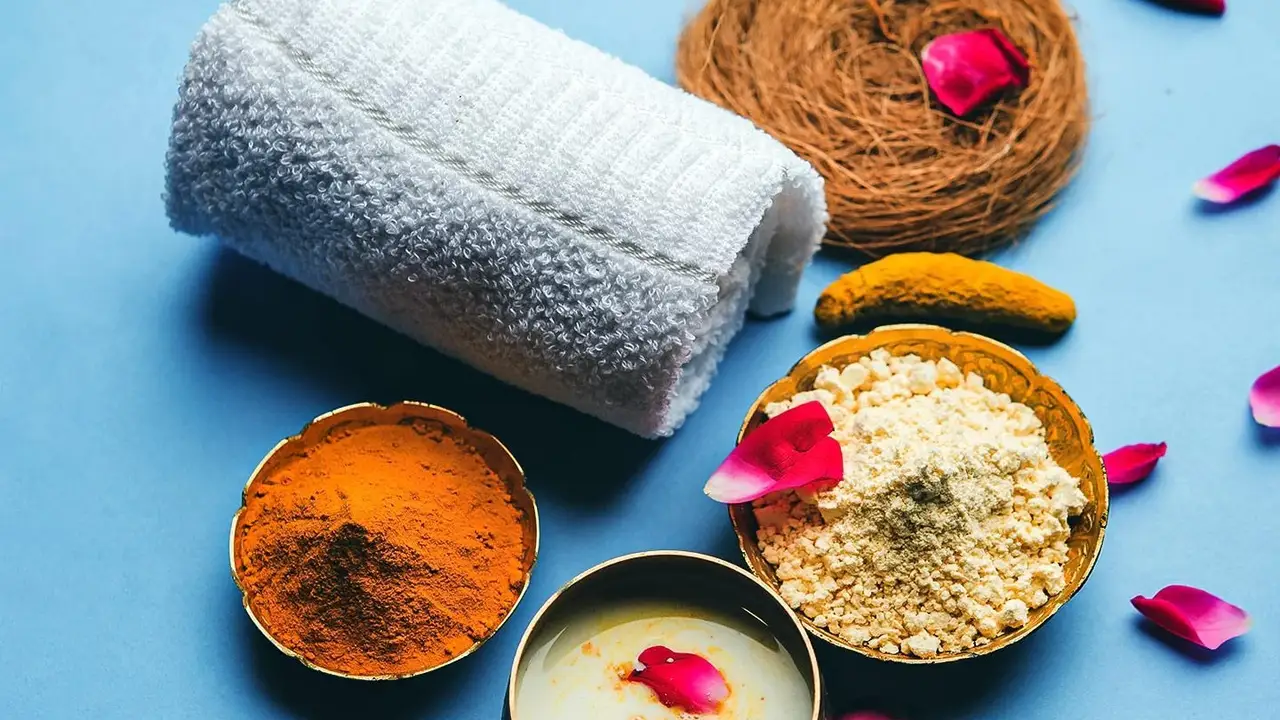
While the scents and names are a huge part of the appeal, the trend also aligns with a growing consumer interest in natural ingredients. Many of these food-inspired products aren't just scented like their namesakes; they often contain beneficial food-derived ingredients. You'll find shea and murumuru seed butters in cocoa-scented lip balms, honey-infused formulas in haircare, and actual berry juices used for lip stains. This taps into the perception that if an ingredient is safe enough to eat, it must be good for your skin. While that’s not always the case, the connection to natural, recognisable ingredients adds a layer of wellness appeal to the sensory indulgence. It allows brands to tell a story about nourishment and care, framing a beauty routine as an act of treating your skin, not just covering it.