

First, Know Your Rocks
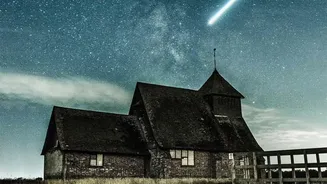
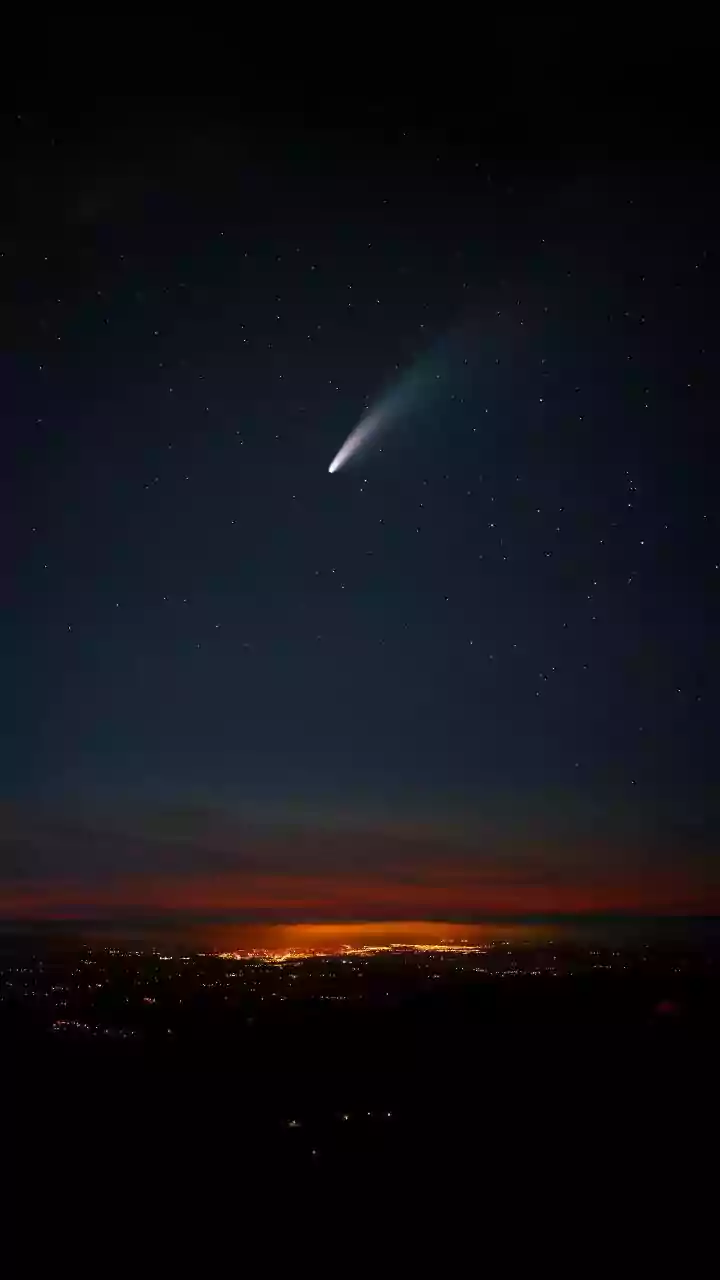
Before you begin your search, it helps to know the terminology. A meteoroid is a rock or piece of metal travelling through space. When that meteoroid enters Earth’s atmosphere at high speed and burns up, the visible streak of light it creates is called
a meteor. Most of these burn up completely. However, if any part of the object survives the fiery journey and lands on the ground, that recovered piece is called a meteorite. Your research journey involves observing meteors and, if you're very lucky, identifying a meteorite.
The Art of Sky Observation
Watching for meteors requires no special equipment, just patience and a good viewing spot. The best locations are far from city lights, offering a wide, unobstructed view of the sky. Get comfortable in a reclining chair or on a blanket, as you may be looking up for a while. Allow your eyes at least 15 minutes to fully adapt to the darkness; this will help you spot the fainter, more numerous meteors. While meteors can appear anywhere, the hours between midnight and dawn are often the most productive. You’ll see not just meteors, but likely satellites and aircraft, too. Learning to distinguish their steady, slow movements from the sudden, brief flash of a meteor is part of the skill.
From the Sky to the Ground
Finding a meteorite is much rarer than seeing a meteor, but it’s the next step in the research journey. Meteorites aren't just any old rock; they have several distinct characteristics that set them apart from terrestrial stones. Understanding these is key before you start your hunt. Many people find unusual rocks, but very few turn out to be from space. Knowing what to look for will save you a lot of time and help you focus on the most promising candidates.
How to Identify a Potential Meteorite
If you find a rock you suspect is a meteorite, check for a few key signs. Firstly, meteorites are often much denser and heavier than Earth rocks of a similar size due to their metallic iron content. This also means most meteorites will be magnetic; a simple magnet should stick to them or be attracted. Look for a thin, dark, and often smooth 'fusion crust' on the exterior. This is formed when the rock’s surface melted during its passage through the atmosphere. The interior, if exposed, might show shiny metallic flecks. Unlike many Earth rocks, meteorites typically do not have holes or bubbles (known as vesicles).
You Found Something: What Now?
If you believe you have found a genuine meteorite, proper handling is crucial for scientific preservation. Before touching it, document its location precisely using your phone's GPS and take photos of it in the exact spot you found it. Do not handle it with your bare hands, as oils and microbes from your skin can contaminate the specimen. The best practice is to use clean gloves or wrap it carefully in aluminium foil before placing it in a clean, dry bag. It's important not to wash the rock or test it with a magnet excessively, as this can interfere with later analysis.
Reporting Your Find in India
In India, the Geological Survey of India (GSI) is the official nodal agency for meteorite discoveries and is the custodian of the National Meteorite Repository in Kolkata. If you find a suspected meteorite, the official procedure is to report it to your local District Collector's office, which can then coordinate with the GSI. You can also contact the geology department of a local university or an institution like the Indian Institute of Astrophysics for preliminary analysis. For fireball sightings, you can contribute data to networks like the India Meteor Observation Network (IMON).