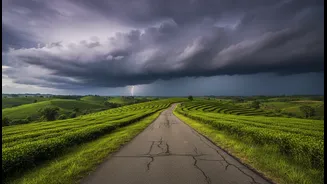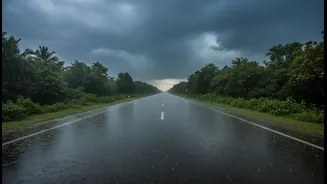






The Monsoon's Full Coverage
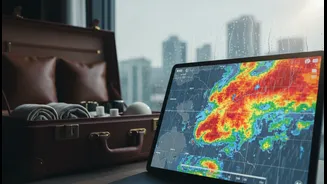
As of early July, the India Meteorological Department (IMD) has confirmed that the Southwest Monsoon is set to cover the entire country, advancing into the remaining parts of Rajasthan, Haryana, and Punjab. This national weather pattern brings widespread
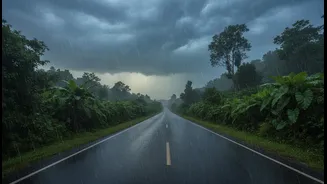
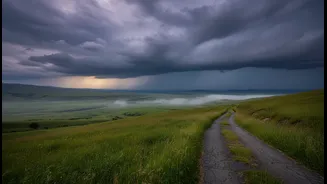
rainfall, which transforms landscapes but also introduces travel challenges. The IMD has forecast heavy to very heavy rainfall for several states, including Madhya Pradesh, West Bengal, Sikkim, and parts of the Northeast, with alerts for potential flooding and landslides in vulnerable areas. For travellers, this means that checking the daily weather forecast is no longer a suggestion but a necessity. Keeping an eye on IMD bulletins and local advisories can help you avoid disruptions caused by waterlogged roads or travel delays.
Choosing Your Destination Wisely
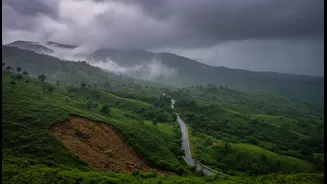
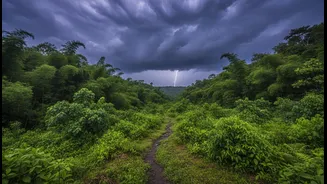
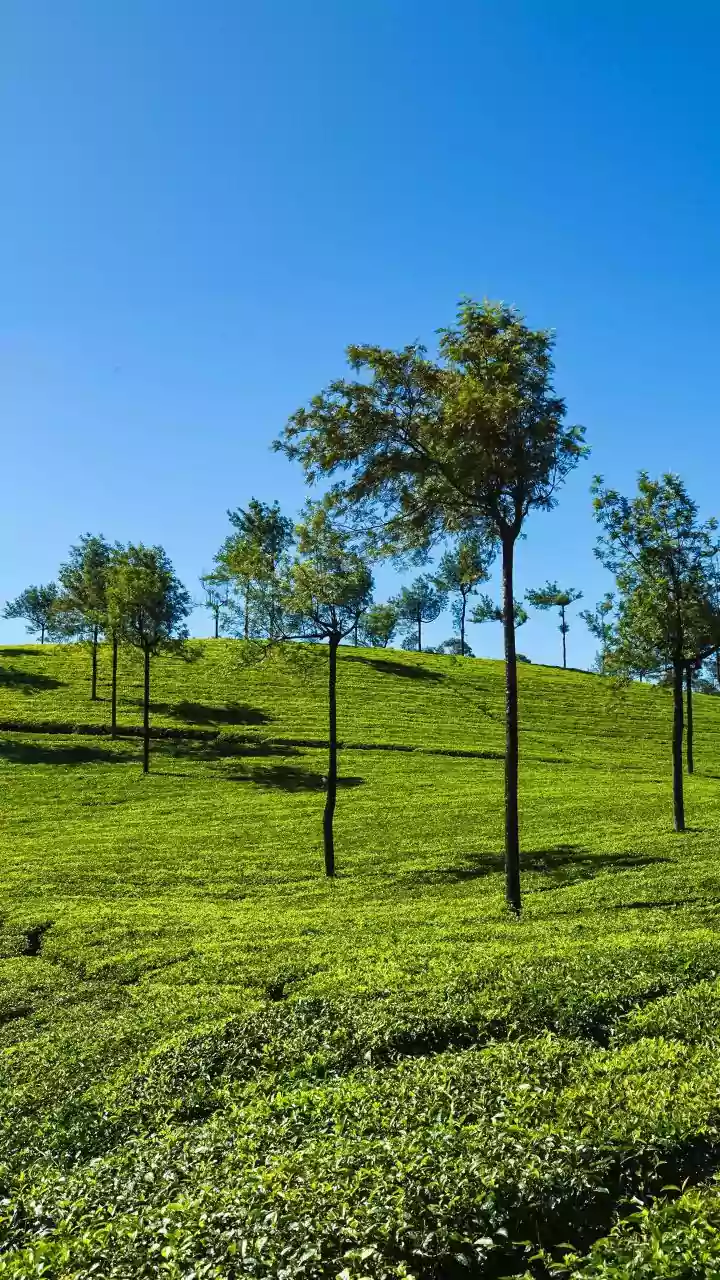
While the rains can be intense, many destinations in India are at their most beautiful during the monsoon. The key is to choose regions where the infrastructure can handle the weather. Hill stations in the Western Ghats and Nilgiris, like Coorg, Mahabaleshwar, Munnar, and Ooty, are popular choices because their main roads generally remain reliable. Places like Cherrapunji in Meghalaya and Agumbe in Karnataka, known for their heavy rainfall, offer dramatic landscapes with roaring waterfalls and misty hills. Conversely, some regions are best avoided. Areas prone to major landslides, such as parts of the Himalayas, require extreme caution. For those who want to skip the rain entirely, high-altitude desert regions like Ladakh and Spiti Valley in Himachal Pradesh lie in a rain-shadow area and remain dry and accessible during July and August.
Essential Safety and Health Precautions
Monsoon travel demands a heightened sense of awareness. Driving on wet roads requires extra caution; it's best to drive slowly and avoid waterlogged areas where the depth is uncertain. Many states, particularly in Maharashtra and Goa, have banned or restricted access to popular waterfalls, forts, and trekking routes due to safety concerns. Always check for local orders before planning a trek. Health is another major consideration. The risk of waterborne diseases increases during the monsoon, so it's crucial to drink only bottled or purified water and avoid street food that may be contaminated. Mosquitoes are also more prevalent, making insect repellent an essential item to pack to protect against diseases like dengue and malaria.
Packing for a Monsoon Trip
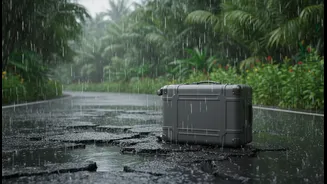
Your packing list for a monsoon holiday should prioritise staying dry and comfortable. Opt for lightweight, synthetic, and quick-drying clothes over heavy cottons like jeans, which take a long time to dry. A reliable waterproof jacket, a foldable umbrella, and waterproof footwear with good grip are non-negotiable. To protect your belongings, especially electronics and important documents, use waterproof backpack covers or dry bags. Storing items like your phone, wallet, and chargers in separate zip-lock pouches provides an extra layer of security against sudden downpours. It's also wise to carry a power bank, as power cuts can be more frequent in some areas during heavy rain.
Embrace the Journey, with Flexibility
The most important tip for monsoon travel is to build flexibility into your itinerary. Rains can cause unexpected delays, from postponed flights to blocked roads. Planning a less-packed schedule allows you to adapt to changing weather without stress. Booking accommodations with flexible cancellation policies is also a smart move. Instead of seeing the rain as an obstacle, view it as part of the experience. The monsoon brings India's natural beauty to life in a unique way, with lush greenery, cool temperatures, and a sense of renewal. With the right preparation, you can safely enjoy the magic of a rain-soaked Indian landscape, whether it's sipping tea while watching the downpour in a hill station or exploring a verdant national park.