







Understanding the 'Weather Window'
A weather window is not just a forecast for sunshine. It's a specific, reliable period of safe conditions you need to start and finish an activity. It considers not just rain, but wind, visibility, temperature, and sea conditions. For a trekker, it’s
a multi-day stretch of clear skies and stable ground. For an island hopper, it’s a period of calm seas ensuring ferries can run. For a road tripper on a high-altitude highway, it's a guarantee that passes are clear of snow and landslides. Ignoring this window, especially during seasons like the monsoon, means you are not just risking getting wet, but facing genuine dangers like being stranded, encountering flash floods, or dealing with impassable routes. Planning for a proper window transforms your trip from a gamble into a well-executed adventure.
The Hiker’s Lifeline in the Mountains
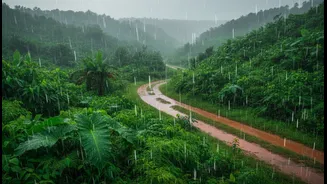
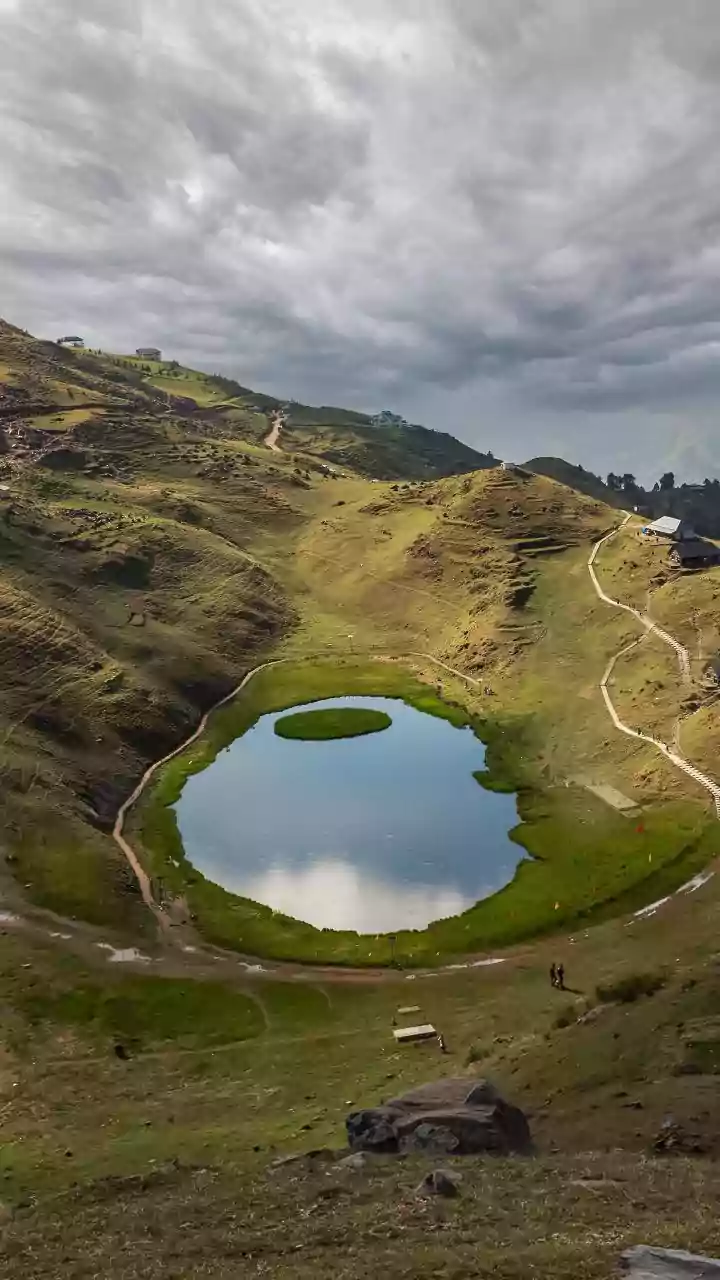
In the mountains, weather is everything. During India's monsoon season, the lush green trails of the Western Ghats or the Himalayas are tempting, but also treacherous. A sudden downpour can turn a manageable trail into a slippery, dangerous path. The real risks are not just discomfort, but landslides, flash floods in narrow gullies, and swollen streams that can become impossible to cross. Many high-altitude treks in states like Himachal Pradesh and Uttarakhand become inaccessible due to these dangers. A proper weather window for a trek means ensuring the trail is not only dry during your hike but that there hasn't been heavy rain in the preceding days, which can destabilise terrain. It’s about ensuring visibility is clear, as dense fog can be disorienting, and that temperatures remain within a safe range. Choosing the right trail for the season is critical; some routes are simply not safe during heavy rains.
Island Escapes at the Mercy of the Sea
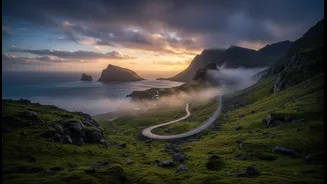
Planning a trip to beautiful island destinations like the Andaman and Nicobar Islands requires a keen eye on the weather, but not just for beach time. Your entire ability to travel between islands depends on it. The primary mode of transport between places like Port Blair, Havelock (Swaraj Dweep), and Neil (Shaheed Dweep) is by ferry. During the monsoon (roughly June to September), the seas can become choppy and unpredictable. While many ferry services continue to operate, they can be delayed or cancelled if conditions are deemed unsafe, potentially leaving you stranded. A good weather window here means a period of calm seas, not just clear skies on the island itself. It ensures your itinerary isn't disrupted and that your journey between islands is comfortable, especially for those prone to sea sickness. While the monsoon offers benefits like fewer crowds and lower prices, flexibility is key.
The Open Road and Its Hidden Dangers
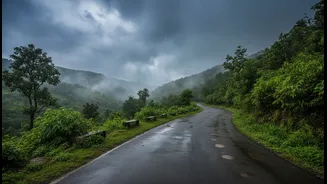
A monsoon road trip offers stunning landscapes, from the misty hills of Lonavala to the dramatic vistas along the Manali-Leh highway. However, wet roads introduce a host of challenges. Reduced visibility, slippery surfaces that increase braking distances, and the risk of waterlogging are universal concerns. On mountain roads, the dangers multiply with the threat of landslides, falling rocks, and road closures. The iconic Manali-Leh highway, for instance, has a specific operational window, typically opening in late May or early June and closing by November due to snow on high passes like Baralacha La. A weather window for a road trip means ensuring the entire route is clear and safe. It involves checking for road closures, avoiding night driving in poor conditions, and ensuring your vehicle is prepared with functional wipers, brakes, and tyres. Driving through a waterlogged area without knowing its depth can cause serious damage to your car. It's often safer to wait or find an alternative route.
How to Plan Your Perfect Window
Finding and planning for a weather window requires more than a standard app. Start by using reliable sources like the India Meteorological Department's (IMD) official 'Mausam' app, which provides district-level forecasts and warnings. For more detailed analysis, apps like Windy and Weather Underground offer multiple forecast models and radar imagery. For treks and road trips in remote areas, always consult local authorities and recent travel advisories; conditions on the ground can change rapidly. When planning, build in buffer days. This flexibility allows you to wait out a patch of bad weather without derailing your entire trip. For island travel, book flights and ferries with a day or two in between to account for potential delays. Ultimately, respecting the weather and planning conservatively is the smartest way to ensure your adventure is remembered for all the right reasons.