

The Hidden Cost of Convenience
Packaged festive snacks are undoubtedly convenient. In a few clicks or a quick trip to the store, one can have a dazzling array of treats. However, this convenience often comes with a hidden price. To ensure a long shelf life and consistent appearance,
mass-produced snacks frequently contain a cocktail of preservatives, artificial colours, and flavour enhancers. Nutrition experts warn that many popular snacks are laden with refined flour (maida), palm oil, high levels of sodium, and various synthetic additives identified by INS codes. While approved for consumption in limited quantities, frequent intake of ingredients like MSG (INS 621), artificial colours such as Tartrazine (INS 102), and preservatives like sodium benzoate can be detrimental to long-term health, particularly gut health. Some manufacturers have also been found to use adulterants like detergents or urea in milk-based sweets to cut costs during high-demand periods, posing serious health risks.
A Return to Taste and Tradition
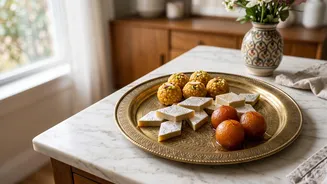
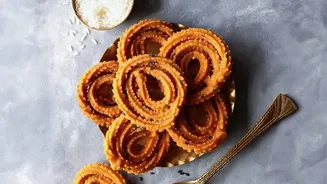
The movement towards homemade snacks isn't just a health-driven decision; it's also a culinary one. Many are discovering that the authentic taste of traditional snacks is often lost in commercial production. Homemade sweets and savouries, crafted with quality ingredients like pure ghee, jaggery instead of refined sugar, and freshly ground spices, offer a depth of flavour that packaged versions rarely match. Preparing these dishes at home allows for a connection to family recipes and cultural heritage. Whether it's the specific twist of a Murukku, the texture of a Besan Laddoo, or the unique spice blend in a batch of Chivda, making them by hand revives a sense of tradition and personal pride that simply cannot be bought off a shelf.
Smart Strategies for the Time-Pressed Cook
The biggest hurdle for busy urbanites is, of course, time. The idea of spending hours in the kitchen can seem daunting. However, with a bit of planning, making festive snacks at home is more achievable than it appears. One effective strategy is ingredient prepping. You can chop nuts, roast semolina, or prepare spice mixes over the weekend. Another tip is to choose simpler recipes that deliver great results with minimal effort. Think of baked goods instead of deep-fried ones, which are not only healthier but also less labour-intensive. Modern kitchen gadgets like air fryers, food processors, and induction cooktops can significantly cut down on cooking time. Finally, turn it into a family activity. Involving children or other family members can make the process faster and create lasting memories.
Easy-Win Festive Snack Ideas
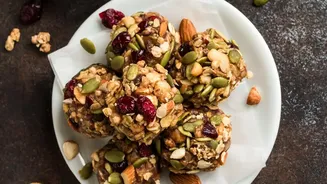
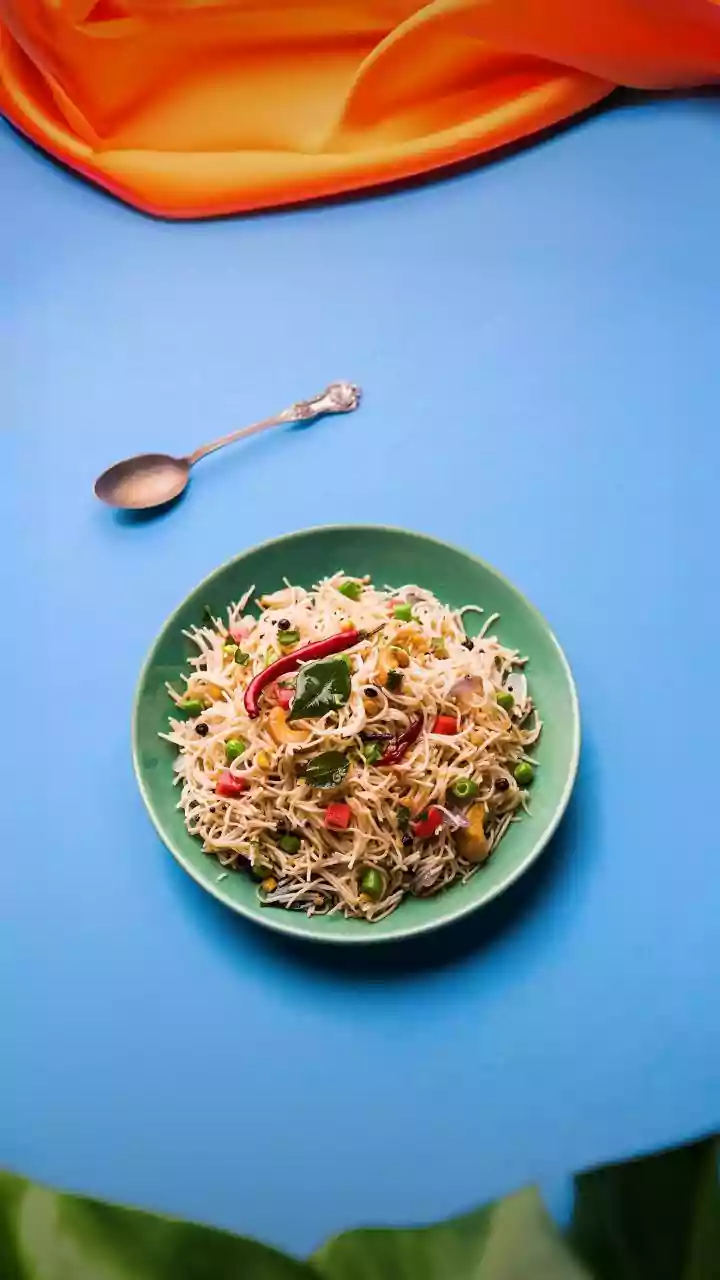
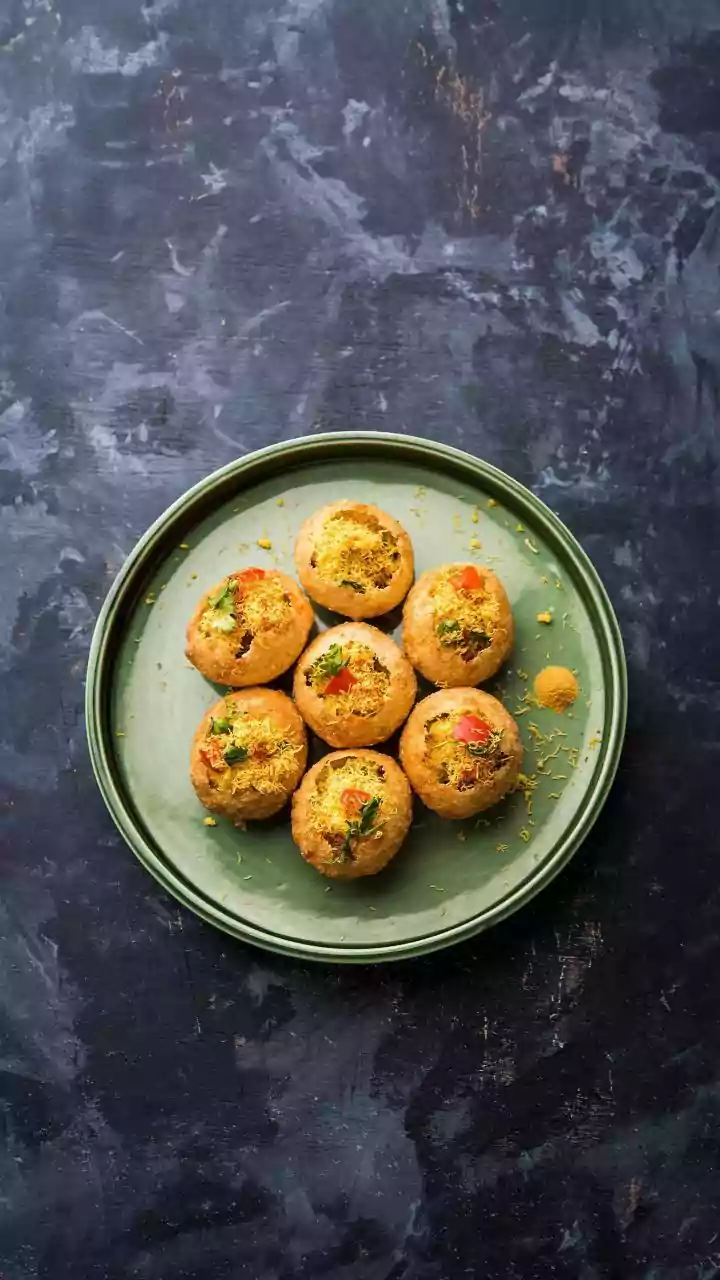
You don't need to be a seasoned chef to create delicious festive treats. Start with snacks that are forgiving and can be made in large batches. Roasted Makhana (fox nuts) tossed in ghee and spices is a quick, healthy, and incredibly addictive option. Laddoos, whether made from coconut, semolina, or oats, are simple to roll and store well. For a savoury crunch, try baked Mathri or Shankarpali; using whole wheat flour can add a nutritious twist. A no-fry Chivda, made by tossing flattened rice with roasted nuts, curry leaves, and spices in a pan with minimal oil, is another quick and wholesome choice. These snacks require basic ingredients and straightforward methods, making them perfect for beginners.
More Than Just Food: A Mindful Celebration
Ultimately, the trend of making festive snacks at home is about more than just avoiding chemicals. It’s a form of mindful celebration. The act of cooking itself can be a stress-buster, a therapeutic escape from the digital noise of daily life. Sharing food that you’ve personally prepared is an act of love that strengthens bonds with family and friends. It shifts the focus from mindless consumption to conscious creation and thoughtful giving. In a fast-paced world, this deliberate, hands-on approach to celebrating festivals offers a deeper sense of satisfaction and well-being, turning a simple snack into a meaningful experience.