



Understanding the Celestial Show
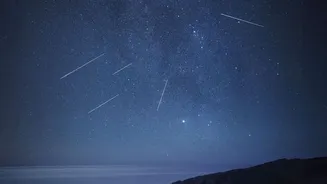
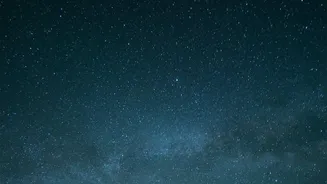
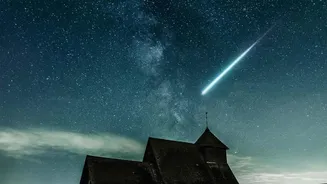
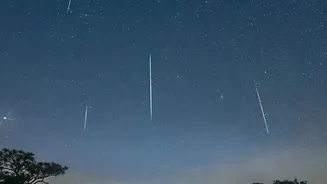
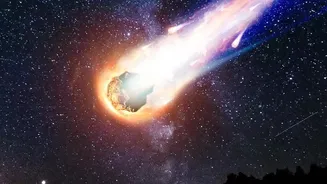
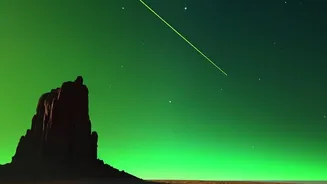
The Perseid meteor shower is one of the brightest and most reliable of the year, occurring as Earth passes through the trail of debris left by Comet Swift-Tuttle. These tiny particles, many no larger than a grain of sand, burn up upon entering our atmosphere
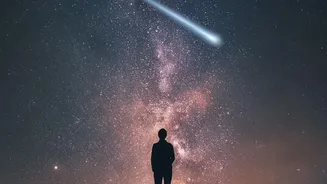
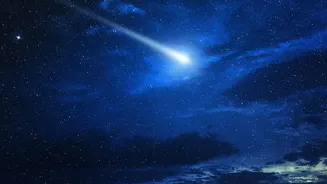
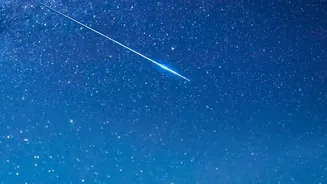
at high speeds, creating the brilliant streaks of light we call meteors or shooting stars. The 2026 peak is particularly special because it coincides with a new moon on August 12-13. This means the sky will be perfectly dark, without moonlight to wash out the fainter meteors, promising a potentially dazzling display of up to 100 meteors per hour under ideal conditions.
When and How to Watch
The key to a successful meteor-watching session is timing and patience. The Perseids will peak on the night of August 12 and into the early morning hours of August 13. For viewers in India, the best window will be between 2:00 AM and 4:30 AM IST on August 13, before the first light of dawn begins to brighten the sky. You don't need any special equipment like a telescope; in fact, meteor showers are best viewed with the naked eye as they streak across a wide area. Find a comfortable spot, perhaps with a reclining chair or a blanket, and lie back. Allow your eyes about 20 to 30 minutes to fully adjust to the darkness—and that means no looking at your phone. Patience is essential, as meteors often appear in spurts.
India's Premier Dark Sky Sanctuaries
The biggest challenge for viewing the August Perseids in India is the monsoon, which can bring cloud cover to many regions. However, several high-altitude deserts and rain-shadow regions offer a fantastic chance of clear skies. Hanle in Ladakh is India's first official Dark Sky Reserve, offering some of the clearest, darkest skies in Asia. At an altitude of over 4,500 metres, it is an unparalleled destination for astronomy. Similarly, Spiti Valley in Himachal Pradesh is a cold desert known for its high altitude, dry air, and minimal light pollution, making villages like Kaza and Kibber prime stargazing spots.
Western and Southern Havens
If the Himalayas are too far a trek, the vast salt flats of the Rann of Kutch in Gujarat offer a surreal landscape for stargazing. During moonless nights, the white desert floor can even reflect the starlight, creating an immersive celestial dome. It's an accessible option, especially during the Rann Utsav festival season from November to February, which aligns with other meteor showers like the Geminids. Down south, the hills of Coorg in Karnataka provide surprisingly dark skies. Away from the main town of Madikeri, in the southern valleys and coffee estates, light pollution is low enough to offer a clear view of the Milky Way, especially between November and May.
Packing for a Night Under the Stars
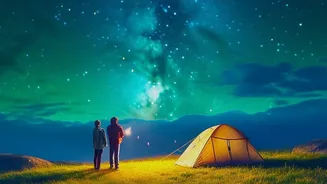
Your comfort is key to enjoying the long hours of waiting and watching. Even in summer, night temperatures can drop, especially at high altitudes, so dressing in warm layers is a good idea. Pack a reclining chair or a thick blanket to lie on to avoid neck strain. Bring along snacks and a flask of a warm beverage to keep you going. While you should avoid white light to preserve your night vision, a red-light torch can be very useful for moving around your viewing spot without disturbing your eyes' dark adaptation. Finally, while the main goal is to see the meteors, a pair of binoculars can be great for exploring star clusters and the moon once it returns to the sky on other nights.