


Bologna, Italy: The Fat, The Learned, The Red
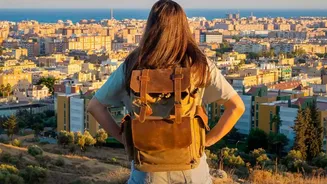
Often living in the shadow of Rome and Florence, Bologna is arguably Italy's true culinary capital. The city's nicknames tell its story: 'La Grassa' (the fat one) for its rich food, 'La Dotta' (the learned) for its ancient university, and 'La Rossa' (the red)
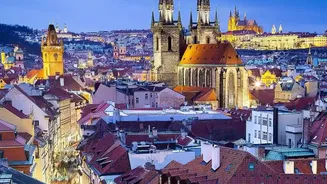
for its terracotta rooftops. The real magic here is the food. This is the birthplace of the slow-cooked meat sauce the world knows as bolognese, but here it's simply called ragù, and it's traditionally served with fresh tagliatelle, not spaghetti. Don't leave without trying tortellini in brodo (small pasta parcels in a clear broth) and mortadella, the delicate cured pork sausage that originated here. Between meals, explore the heart of the city at Piazza Maggiore and climb the Asinelli Tower for a breathtaking view of the red-tiled cityscape. The Quadrilatero, the city's medieval market district, is a vibrant maze of alleys where you can browse stalls overflowing with cheese, cured meats, and fresh pasta.
Porto, Portugal: Beyond the Famous Wine
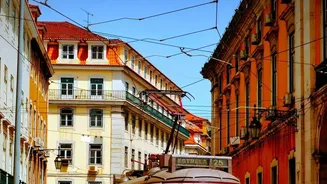
While many travellers flock to Lisbon, Porto offers a grittier, soulful charm on the banks of the Douro River. Famous for its fortified wine, the city's food scene is robust and deeply traditional. The signature dish is the 'Francesinha', a formidable sandwich layered with steak and sausage, covered in melted cheese, and drenched in a spiced tomato and beer sauce. For a taste of the sea, head to the nearby Matosinhos district for impeccably fresh grilled fish. Beyond the plate, Porto is a visual feast. Walk across the iconic Dom Luís I Bridge for spectacular views of the Ribeira district, a colourful jumble of houses packed along the waterfront. Book lovers should not miss Livraria Lello, one of the world's most beautiful bookshops, while a visit to the Port cellars in Vila Nova de Gaia for a tasting is an essential Porto experience.
Ghent, Belgium: The Cooler, Quieter Bruges
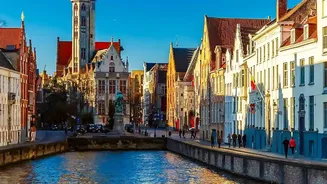
Often overlooked in favour of its fairy-tale neighbour Bruges, Ghent is a vibrant university city with stunning medieval architecture and a thriving, progressive food scene. It's a place where historic charm meets a lively, modern energy. Traditional Flemish cuisine is hearty and comforting. Be sure to try 'Gentse Waterzooi', a creamy stew made with chicken or fish, and 'Stoverij', a rich beef and beer stew. Of course, no trip to Belgium is complete without sampling the frites (fries), waffles, and world-class chocolate. The city's landmarks are clustered in its walkable centre. The Gravensteen, or Castle of the Counts, is a formidable 12th-century fortress offering panoramic city views. The skyline is dominated by the 'three towers': Saint Nicholas' Church, the Belfry, and St. Bavo's Cathedral, which houses the world-renowned Ghent Altarpiece by Jan van Eyck.
Ljubljana, Slovenia: Europe's Green Fairy-tale
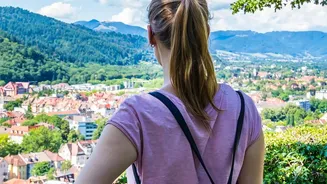
Slovenia's capital is a picture-perfect city that feels like a hidden secret. With a car-free city centre, a river winding through its heart, and a castle perched on a hill, Ljubljana is both charming and effortlessly cool. The food scene is a delightful discovery, with influences from neighbouring Italy, Austria, and Hungary. A must-try is 'Kranjska klobasa', the protected Carniolan sausage, often served with mustard and bread. On Fridays from spring to autumn, the Open Kitchen (Odprta Kuhna) market brings chefs from all over the country to the central square, offering a fantastic opportunity to sample a wide variety of Slovenian dishes. Dominating the skyline is Ljubljana Castle, reachable by a short funicular ride, which provides beautiful views of the city and the distant Alps. The city is famous for its bridges, including the iconic Dragon Bridge and the elegant Triple Bridge, which connects the medieval old town to the modern city.