




Understanding the Festival Calendar
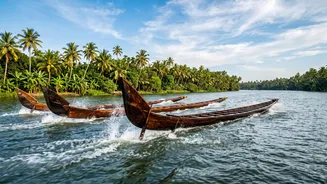
Kerala celebrates year-round, but key festivals anchor its cultural calendar. Onam, the state's biggest harvest festival, is a ten-day celebration held across Kerala in August or September. It features floral carpets (pookalams), grand vegetarian feasts
(sadhya), and iconic snake boat races. The temple festival season peaks between February and May. The most famous of these is Thrissur Pooram, a massive spectacle in April or May known for its processions of caparisoned elephants, vibrant parasol exchanges, and thunderous percussion ensembles. For a different experience, the Theyyam season in North Kerala (mostly Kannur and Kasaragod) runs from October to May. This ancient ritual involves mesmerising dance performances where artists are believed to embody deities. Planning your visit starts with deciding which of these unique experiences you want to witness.
Mastering Your Bookings
For major festivals like Thrissur Pooram and the Onam season, early booking is non-negotiable. Demand for flights, trains, and accommodation skyrockets, so plan at least six to eight weeks in advance, if not more. Kochi (COK) serves as the primary international gateway for reaching central Kerala's festival hubs like Thrissur and Alappuzha. When booking lodging, consider your proximity to the main events. Staying near festival grounds offers convenience but can be noisy; a hotel further away provides a quieter retreat. Homestays offer an authentic alternative, often including home-cooked meals and local insights. For maximum freedom, especially if you plan to explore beyond a single city, hiring a car with a driver or a taxi service for the duration of your trip can be invaluable, helping you navigate road closures and crowded areas.
The Importance of Timing
Timing your trip involves more than just picking the right month. Many festivals have events that span several days, with rituals often happening at specific, sometimes inconvenient, hours. For example, some temple ceremonies occur in the pre-dawn hours, while major processions might take place midday under the hot sun. During Onam, you might want to arrive a few days before the main day, Thiruvonam, to see the Pookalam flower designs evolve and witness the build-up of festivities. For Thrissur Pooram, the main event is a 36-hour marathon, and arriving early is crucial to find a good vantage point. It's wise to research the detailed schedule of the festival you plan to attend. This allows you to prioritize events, whether it's the elephant processions, the percussion performances, or the climactic fireworks displays.
Embracing Flexibility in Your Itinerary
While planning is key, flexibility is the secret to truly enjoying a Keralan festival. Official schedules can be fluid, with events sometimes starting later than planned or processions taking slightly different routes. Public transport can be overwhelmed, and roads are often packed with people, leading to unexpected delays. Don't overschedule your days. Instead of trying to tick off a long list of sights, build buffer time into your itinerary. This allows you to linger longer at an event that captivates you or take a spontaneous detour. Having a flexible mindset means you can adapt to the rhythm of the festival rather than fighting against it. Sometimes the most memorable moments come from unplanned encounters—a conversation with a local who explains a ritual or an invitation to share a meal.
Navigating and Experiencing the Culture
Getting around during a major festival requires patience. While private transport offers comfort, be prepared for traffic. For shorter distances, auto-rickshaws are a viable option, but agree on a fare beforehand. To truly immerse yourself, be respectful of local customs. When visiting temples, dress modestly; traditional attire is often preferred. Always ask for permission before taking close-up photographs of people or rituals. Many festivals are deeply spiritual events, not just tourist shows. Engaging with the culture also means trying the food. During Onam, don't miss the Onam Sadya, a feast of dozens of vegetarian dishes served on a banana leaf. These experiences provide a deeper connection to the place and its people, turning your trip from a simple visit into a rich cultural immersion.