



The Winter Wardrobe Dilemma
When the temperature drops, our first instinct is to pile on the layers. Thermal tops, cosy sweaters, and thick knits are essential for staying warm. While effective, these insulating layers often have an unwelcome side effect: they add bulk. The combination
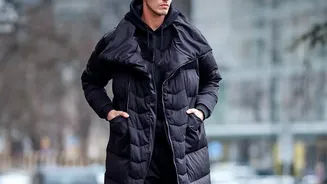
of soft, thick fabrics can obscure your natural body shape, creating a rounded, soft-edged silhouette that can make you feel heavier or less put-together than you’d like. Many popular winter garments, like chunky cardigans or soft-shouldered puffer coats, can actually accentuate this effect, leading to the dreaded 'marshmallow' look. The challenge is to add warmth without adding volume, a task that seems impossible when your priority is comfort.
What is a Structured Shoulder?
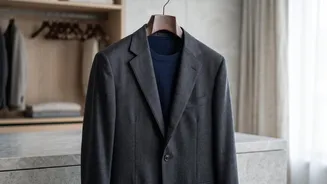
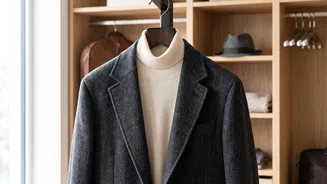
A structured shoulder refers to the construction of a jacket or coat that creates a clean, defined line from the neck to the arm. Unlike soft or 'natural' shoulders that follow the body’s curve, a structured shoulder uses tailoring techniques to build a distinct shape. This is typically achieved with the use of shoulder pads, which can range from very subtle to more pronounced, as well as the internal canvassing of the jacket. The goal is to create a 'hanger' effect, where the garment hangs from a strong, straight shoulder line. Think of a classic blazer, a tailored wool overcoat, or a trench coat. These pieces have a crispness that sets them apart from unstructured garments like cardigans or many casual bomber jackets.
Why It Works: The Science of Silhouette
The magic of a structured shoulder lies in its ability to create a powerful visual frame for your entire body. By establishing a strong, wider line at the top, the jacket drapes cleanly over the layers underneath, skimming past the bulk rather than clinging to it. This draws the eye upward and outward, creating the illusion of a more defined, V-shaped torso and making you appear taller and leaner. It counteracts the rounding effect of thermals and sweaters by re-establishing sharp angles and a clear shape. A structured jacket doesn't compress your layers; it simply conceals the volume within a more flattering architectural form. It imposes order on the potential chaos of winter layering.
Choosing Your Perfect Jacket
When shopping for a jacket to serve this purpose, look for specific clues. First, examine the shoulder construction. Does it have a distinct shape even when on the hanger? Look for tailored blazers, peacoats, trench coats, or classic wool overcoats. Fabrics like wool, tweed, and other sturdy materials hold their shape better than softer alternatives. Pay attention to the seam where the sleeve meets the body; on a structured jacket, it will be a crisp, defined junction. Be wary of styles with 'drop shoulders,' where the seam is intentionally lowered down the arm, or 'raglan sleeves,' which have a diagonal seam from the collar to the underarm. While comfortable, these styles often enhance a rounded look.
Styling for a Streamlined Look
To maximize the slimming effect of your structured jacket, consider the rest of your outfit. Start with thin, fitted base layers to minimize the initial bulk. Modern thermals made from materials like merino wool offer excellent warmth without the thickness. Balance the strong shoulder line of the jacket with slimmer bottoms, such as straight-leg trousers or well-fitting jeans. This contrast in proportions prevents the overall look from becoming boxy. Additionally, wearing a monochrome or tonal colour palette underneath your jacket can create an unbroken vertical line, further enhancing the illusion of height and a streamlined silhouette.