







Choose Your Destination Wisely
The most crucial step in weather-smart planning is selecting a destination that offers natural respite from the heat. While popular spots in the northern plains and central India can see temperatures soar above 45°C, the country offers plenty of cooler
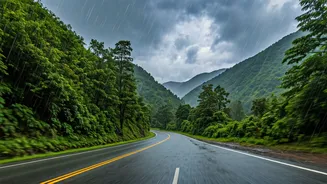
alternatives. Consider hill stations in Himachal Pradesh, Uttarakhand, or the Western Ghats in Karnataka and Kerala. Destinations like Shimla, Manali, Ooty, and Coorg are classic choices for a reason. For a different experience, explore the coastal regions of Goa or the Andaman and Nicobar Islands, where sea breezes provide a cooling effect, though humidity will be a factor. Even less-explored parts of Northeast India, such as Sikkim or Meghalaya, offer pleasant climates and stunning landscapes, making them ideal summer getaways.
Time Your Travel and Activities
Once you have a destination, timing becomes critical. If possible, plan your trip during the shoulder seasons—just before the peak summer hits or as the monsoon begins to set in. You’ll find fewer crowds and more manageable temperatures. For any trip planned during a heatwave, structuring your day is non-negotiable. Schedule outdoor activities like sightseeing, trekking, or beach visits for the early morning (before 10 a.m.) and late afternoon (after 5 p.m.). Use the blistering midday hours for indoor pursuits. This is the perfect time to explore museums, enjoy a long lunch at a comfortable restaurant, take a dip in the hotel pool, or simply relax in your air-conditioned room with a good book.
Pack for Protection, Not Just Style
Your packing list needs to be adapted for extreme heat. Lightweight, loose-fitting clothing made from natural fabrics like cotton, linen, and rayon are essential. Opt for light colours that reflect sunlight rather than absorb it. Beyond clothing, your bag should include a wide-brimmed hat, UV-protection sunglasses, and a high-SPF, broad-spectrum sunscreen. A reusable water bottle is a must-have to ensure you stay hydrated throughout the day. Consider packing electrolyte powders or tablets to add to your water, especially if you plan on being active. A small, portable fan or a cooling towel can also provide instant relief during long outdoor excursions.
Select Climate-Conscious Accommodation
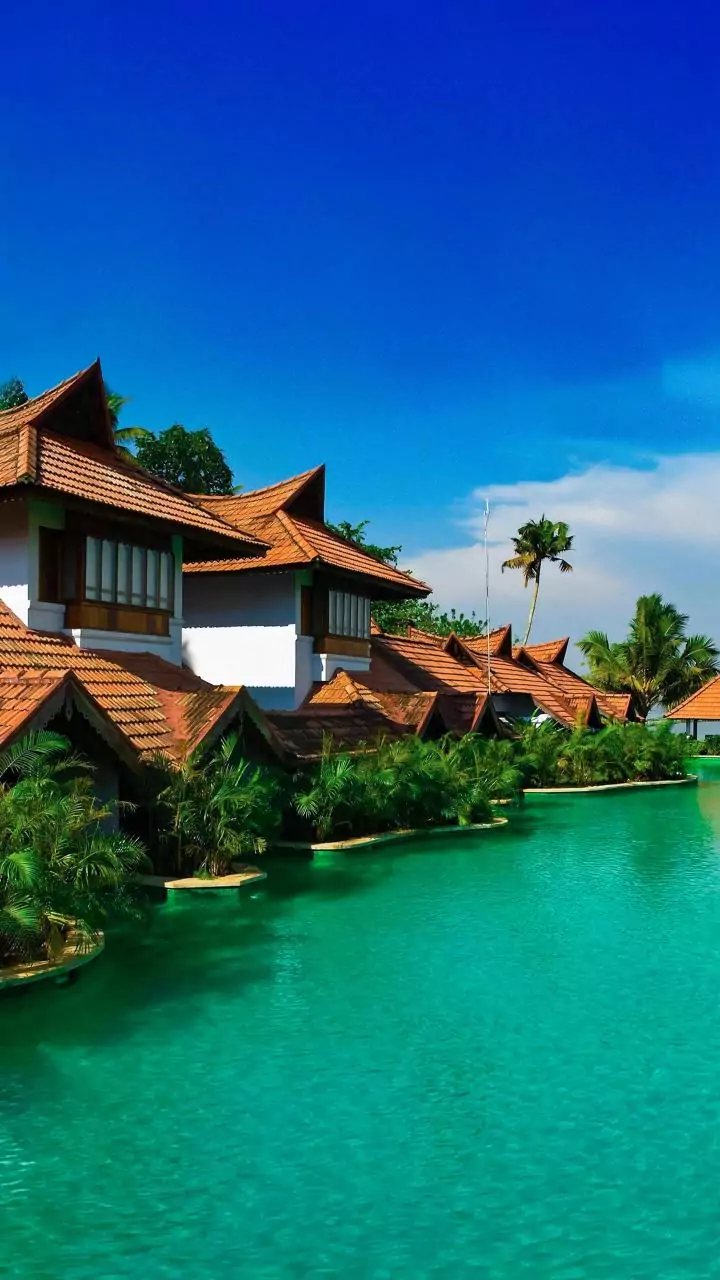
Your choice of hotel or guesthouse can make or break a vacation during a heatwave. Before booking, confirm that the property has reliable air conditioning. Don't take it for a given, especially in budget stays or remote locations. Look for amenities that help you beat the heat, such as a swimming pool or easy access to a shaded garden or lounge. In some regions, traditional architecture is designed to stay cool naturally. Homestays with thick walls, high ceilings, and good ventilation can sometimes be more comfortable than modern concrete buildings. Reading recent reviews from other travellers can give you a real-world sense of how comfortable the property is during hot weather.
Stay Hydrated and Eat Smart
Dehydration is one of the biggest risks during a heatwave. Make a conscious effort to drink water consistently throughout the day, even if you don't feel thirsty. Avoid excessive consumption of dehydrating beverages like alcohol, caffeine, and sugary sodas. Your diet also plays a role. Heavy, oily, and spicy foods can make you feel sluggish and increase your body's metabolic heat. Instead, opt for lighter meals and incorporate water-rich fruits and vegetables like watermelon, cucumber, and oranges into your diet. Street food is a highlight of Indian travel, but be extra cautious about food hygiene in extreme heat, as bacteria multiply faster.
Listen to Your Body and Local Alerts
Finally, the most important rule is to be mindful. Pay attention to your body and recognise the early signs of heat-related illness, which include dizziness, headache, excessive sweating, and muscle cramps. If you or a travel companion experience these symptoms, immediately move to a cooler place, hydrate, and rest. If symptoms worsen, seek medical attention. Before and during your trip, stay updated with weather forecasts from the India Meteorological Department (IMD). The IMD issues specific heatwave alerts (yellow, orange, red) for different regions, which can help you make informed decisions and adjust your plans for safety.