
Understanding Gut Diversity
Think of your gut as a bustling city populated by trillions of microorganisms, including bacteria, viruses, and fungi. This community is known as your gut microbiome. A healthy and resilient microbiome is a diverse one, with a wide variety of beneficial
microbes working together. This diversity is crucial for everything from proper digestion and nutrient absorption to a strong immune system and even mood regulation. When the balance of these microbes is thrown off, it can contribute to a host of issues. The goal, therefore, is to foster a rich and varied internal ecosystem, and what you eat plays a starring role in achieving this.
The Magic of Lacto-Fermentation
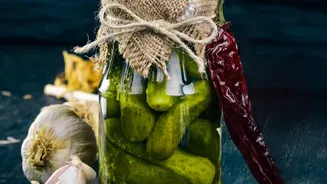
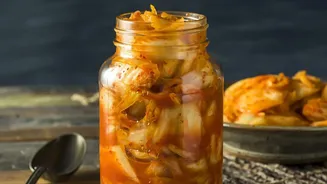
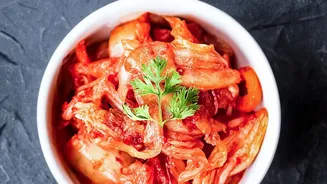
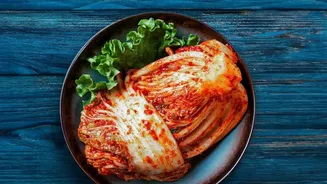
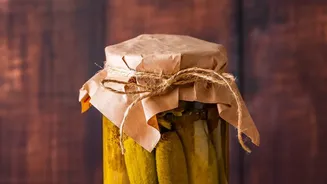
This is where probiotic pickling, also known as lacto-fermentation, comes in. Unlike the vinegar-based pickles you typically find on supermarket shelves, these are true fermented foods. The process doesn't require vinegar or heat. Instead, it uses a simple saltwater brine to create an environment where beneficial lactic acid bacteria, which are naturally present on vegetables, can thrive. These bacteria get to work, converting the natural sugars in the vegetables into lactic acid. This acid acts as a natural preservative, keeping harmful bacteria at bay while enriching the food with probiotics—the very 'good' bacteria your gut loves. The result is a tangy, delicious pickle teeming with live cultures that can directly contribute to your gut's microbial diversity.
Why Go Oil-Free?
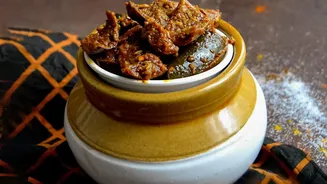
While some traditional pickling methods in other cultures use oil, the simple lacto-fermentation process for gut health is best done without it. Adding a layer of oil on top of the brine is sometimes suggested to block air exposure, but this can be counterproductive and potentially risky. Oil can prevent the brine's acidity from properly protecting all parts of the fermenting vegetables. Small pieces of produce coated in oil might not acidify correctly, creating a potential environment for spoilage. Since the goal is a safe, straightforward ferment, a simple saltwater brine is the most reliable method. The process is anaerobic (oxygen-free) by design, so keeping vegetables submerged under the brine is all that's needed to ensure a successful, healthy ferment.
The Easiest Way to Get Started
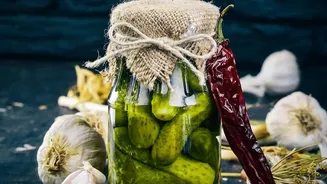
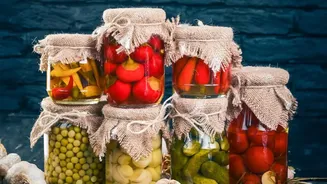
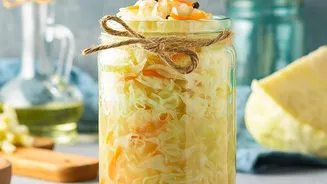
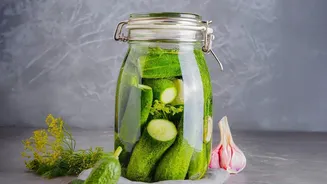
The beauty of oil-free probiotic pickling is its simplicity. You don't need fancy canning equipment or special cultures. All you need is a clean jar, vegetables, non-iodized salt, and filtered water. The basic formula is to create a brine by dissolving about one tablespoon of sea salt in two cups of water. From there, you pack your chosen vegetables and optional spices (like dill, garlic, or mustard seeds) into the jar, pour the brine over them to ensure they are completely submerged, and seal it loosely to allow fermentation gases to escape. Let the jar sit at room temperature for several days, tasting it periodically. Once it reaches a tanginess you enjoy, move it to the fridge to slow the fermentation process.
Beyond the Cucumber
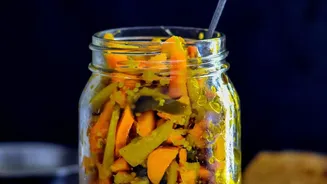
While cucumbers are a classic, almost any vegetable can be transformed through this process. Carrots, green beans, cauliflower, radishes, and bell peppers are all excellent candidates. Carrots become wonderfully sweet and tangy, green beans turn into zesty 'dilly beans', and cauliflower maintains a fantastic crunch. You can slice them into sticks, rounds, or leave smaller vegetables whole. Experimenting with different vegetables and spice combinations—like adding red pepper flakes for heat or coriander for a citrusy note—is part of the fun and allows you to create a diverse range of probiotic-rich snacks and condiments to enjoy with your meals.