








More Than Just Nostalgia
For generations of Indians, the practice of hair oiling is a cherished memory, synonymous with care, tradition, and the comforting ritual of a head massage from a mother or grandmother. For a while, these humble oils were pushed to the back of the shelf,
replaced by a wave of fast-acting serums and conditioners promising instant shine. But the hair oil is making a powerful return, and it’s not just because of nostalgia. We're rediscovering what ancient wisdom knew all along: oils are fundamental to hair health. The difference is that today, that wisdom is being supercharged by cosmetic science, transforming simple oils into high-performance treatments.
What Makes Them 'Stronger' Now?
The hair oils of today are a far cry from the single-ingredient, heavy oils you might recall. The “stronger” claim isn’t about making them thicker or greasier; it's about making them smarter. Modern formulations are lightweight, non-sticky, and fast-absorbing. This is thanks to advancements in cosmetic chemistry and extraction methods. Cold-pressing techniques preserve more nutrients, while new blending technologies allow brands to create sophisticated cocktails of oils and active ingredients. Today’s oils are often fortified with vitamins, antioxidants, peptides, and botanical extracts that target specific concerns like hair fall, scalp irritation, frizz, and environmental damage. They offer the deep nourishment of traditional oils without the heavy, greasy feeling that made them impractical for daily use.
Decoding the Modern Oil Menu
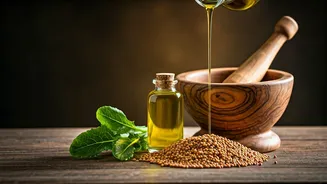
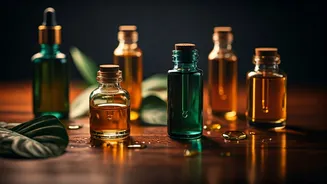
Navigating the world of hair oils can feel overwhelming, but it’s really about matching the right oil to your hair’s needs. Think of it as a menu with different options for different results. **The Foundational Classics:** Coconut, almond, and amla oils are the bedrock of Indian hair care. Coconut oil is one of the few oils scientifically proven to penetrate the hair shaft, reducing protein loss. Almond oil is rich in Vitamin E, an excellent emollient for smoothing the hair cuticle. Amla oil, a staple in Ayurveda, is packed with antioxidants and is traditionally used to strengthen hair follicles. **The Lightweight Finishers:** Argan and jojoba oils have a molecular structure that more closely mimics our scalp’s natural sebum. This makes them incredibly lightweight and perfect for taming frizz and adding shine without weighing hair down. They are ideal as a finishing touch on dry hair or for those with fine hair who fear greasiness. **The Targeted Treatments:** If you have specific concerns, there are specialist oils. Castor oil, rich in ricinoleic acid, is famed for promoting thicker hair growth (especially for brows and lashes). Bhringraj and rosemary oils are revered for their potential to stimulate the scalp and reduce hair fall. Tea tree oil is a powerful antiseptic for dandruff-prone or itchy scalps.
The Art of Application
How you use a hair oil is just as important as which one you choose. The old-school method of drenching your hair overnight still works wonders as a deep conditioning treatment, especially for dry or damaged hair. Simply massage the oil into your scalp and work it through the lengths, then wash it out the next morning. For a modern, everyday approach, less is more. A few drops of a lightweight oil like argan can be warmed between your palms and smoothed over the ends of dry hair to instantly tame flyaways and add a glossy finish. You can also use oil as a pre-shampoo treatment. Applying it 30 minutes before washing creates a protective barrier, preventing shampoo from stripping your hair of its natural oils. This leaves your hair feeling softer and more manageable post-wash.