




Beyond the Velvet Rope
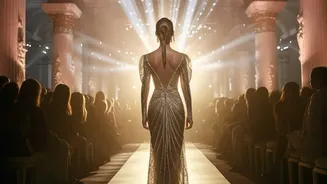
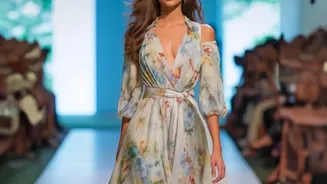
The world of haute couture, long defined by its exclusivity and ephemeral runway shows, is undergoing a dramatic transformation. The traditional format—a rapid-fire presentation of garments to a select audience—is no longer enough. Instead, luxury houses
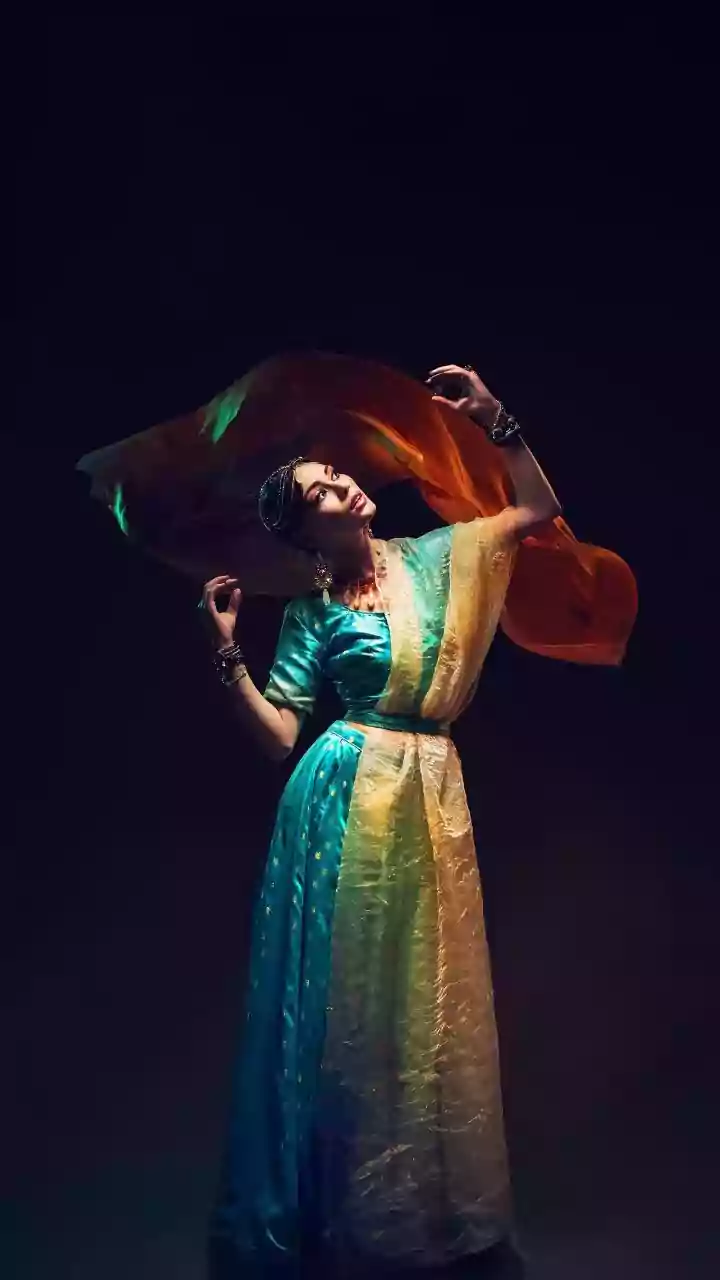
are embracing ‘immersive couture,’ a new approach that prioritises creating a rich, interactive world around a collection. These experiences move beyond passively watching and invite audiences to step inside the brand’s story. From sprawling, museum-quality exhibitions that travel the globe to elaborate digital realms, the goal is to create a deeper emotional connection and a more memorable encounter with the brand's vision. It is a shift from merely showcasing clothes to crafting a universe that audiences can explore, feel, and participate in.
Pioneers of the New Stage
Several major fashion houses are leading this charge into experiential storytelling. Dior, for instance, has captivated global audiences with large-scale, immersive exhibitions celebrating the house's heritage and inspirations. These events often blend archival pieces, contemporary art installations, and sensory elements, turning a fashion story into a cultural event. On the digital frontier, Balenciaga made waves by releasing its Fall 2021 collection as a video game titled 'Afterworld: The Age of Tomorrow'. This allowed anyone, not just industry insiders, to navigate a futuristic landscape and discover the collection on avatars, completely redefining the concept of a fashion show and its accessibility. Other brands like Chanel and Louis Vuitton have long used elaborate, theatrical sets to transport their audiences, from recreating a supermarket to taking over architectural landmarks, proving that the desire to build worlds has always been part of fashion's DNA.
A Strategic Shift in a Digital Age
This move toward immersive experiences isn't just an artistic whim; it's a calculated business strategy. In an era dominated by social media, a 15-minute runway show provides limited content. An immersive event, however, is a goldmine for creating unique, shareable moments that can ripple across platforms like Instagram and TikTok for weeks. It helps brands engage a younger, digitally native audience that values experiences over possessions and authenticity over overt advertising. Furthermore, after a global pandemic disrupted traditional fashion weeks, brands were forced to innovate with digital presentations. Many discovered that these new formats could reach a much larger global audience and offer a new creative canvas, permanently embedding a digital component into their strategies. It's no longer about just selling a dress; it's about selling access to an exclusive and enchanting world.
The Democratisation of the Dream
While haute couture remains the pinnacle of luxury, these immersive experiences paradoxically make it more democratic. Though entry to a physical exhibition or event may be limited, the content generated is infinite. Balenciaga’s decision to release 'Afterworld' as a game playable by everyone was a deliberate move to break down the walls of luxury's old-guard exclusivity. Similarly, technologies like Augmented Reality (AR) are allowing consumers to 'try on' couture pieces virtually through apps or in-store mirrors, bringing the fantasy of high fashion into their own hands. Brands like Gucci have leveraged platforms like Roblox to create virtual spaces where users can interact with the brand's heritage. This digital extension allows millions of people to participate in the couture dream, fostering a sense of community and brand loyalty far beyond the few hundred people who might attend a traditional show.
The Future of the Front Row
The traditional runway is unlikely to disappear entirely. Its immediacy and energy still hold a powerful allure. However, it will no longer be the only story. The future of fashion presentations lies in a hybrid model that balances the magic of physical spectacle with the expansive reach of digital and immersive experiences. We can expect to see fashion houses operating more like entertainment studios, producing everything from video games and VR experiences to interactive exhibitions and short films. The front row is no longer a physical seat but a state of engagement. For the modern luxury consumer, it’s not enough to simply see the clothes; they want to feel the world they inhabit. Immersive couture is answering that call, offering not just a fleeting glimpse, but a lasting impression.