



A New Culinary Curiosity
Something exciting is happening in India’s restaurant scene and home kitchens. After years where North Indian staples and their Indo-Chinese counterparts dominated menus, a new wave of culinary exploration has taken hold. Diners are now simultaneously
looking outward towards global trends and inward towards the rich, untapped diversity of their own country. It's a moment where a perfectly rolled maki sits comfortably next to a bowl of rustic Ladakhi thukpa, and diners are eager for both. This shift reflects a growing confidence and curiosity, where the definition of 'good food' has expanded to include the authentic, the novel, and the rediscovered. Restaurants are responding, with menus that tell stories of both distant lands and local heritage.
The Allure of the Himalayas
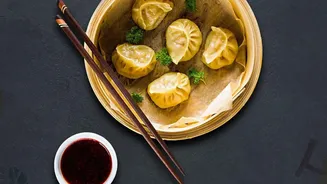
Once considered a remote delicacy enjoyed mainly by travellers, Ladakhi cuisine is finding a surprising new audience in urban India. Dishes like thukpa, a nourishing noodle soup, and skyu, a stew with thumb-sized dough balls and root vegetables, are moving from niche eateries to mainstream menus. The most famous ambassador, of course, is the momo. These steamed dumplings, filled with meat or vegetables, have become a beloved street food across the country, acting as a gateway to the region's simpler, heartier flavours. The cuisine's appeal lies in its focus on nourishment, minimal spice, and wholesome ingredients, which aligns with modern wellness trends. As more Indians travel to the Himalayas, they return with an appetite for its unique and comforting food.
The Enduring Appeal of Sushi
At the other end of the spectrum is sushi. No longer just the preserve of five-star hotels, Japanese cuisine has gone mainstream. Driven by pop culture phenomena like anime, a perception of it being a healthy choice, and its undeniable visual appeal on social media, sushi and ramen have become common cravings. Zomato reported a nine-fold growth in Japanese restaurant listings in Delhi and Bengaluru between 2020 and 2025. To appeal to a wider audience, chefs are creating localised versions like paneer tikka sushi and achari sushi, making the cuisine more accessible and less intimidating for first-timers. The rise of delivery platforms has also played a huge role, allowing people to experiment with Japanese flavours from the comfort of their homes.
Rediscovering India’s Own Backyard
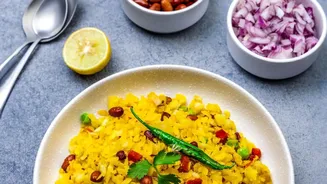
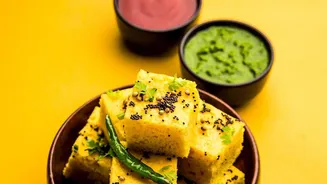
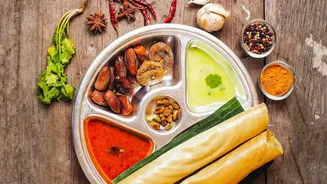
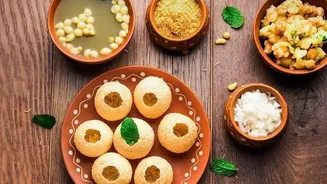
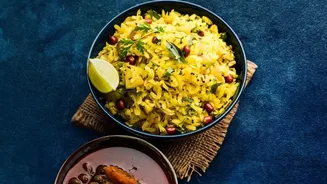
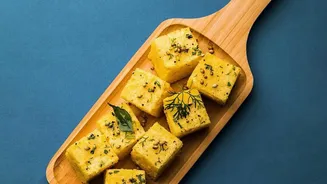
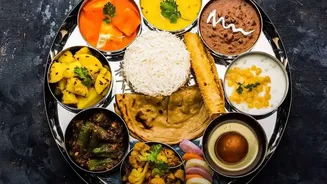
Perhaps the most significant trend is the proud revival of India's own regional cuisines. Chefs and diners are looking beyond the usual suspects and exploring the distinct culinary identities of states like Nagaland, Kerala, and Bengal. This movement is driven by a renewed pride in local ingredients and 'forgotten' recipes passed down through generations. Restaurants specialising in hyper-regional food have seen their customer bases grow significantly faster than those with generic menus. This exploration is about authenticity and storytelling, offering diners an experience that connects them to a specific place and culture. It's a clear signal that the future of Indian food lies in celebrating its incredible internal diversity.
What’s Fuelling This Appetite?
Several factors are driving this triple-current of culinary exploration. Increased domestic and international travel has broadened palates. Social media platforms like Instagram have become the new word-of-mouth, with visually appealing dishes from all cuisines driving discovery. A growing middle class with higher disposable incomes is more willing to spend on new dining experiences. Furthermore, there's a generational shift; younger diners are more adventurous and curious, viewing food as a form of entertainment and cultural exploration. They seek out narrative-driven meals and are interested in the stories behind their food, whether it’s a sustainable farm-to-fork ethos or a recipe from a grandmother's kitchen.