


What Is a 'Use-First' Box?
A 'use-first' box isn’t a special product you need to buy; it's a simple, powerful habit. It involves designating one clear, open container in your refrigerator for produce that needs to be eaten soon. Think of it as a visual to-do list for your kitchen.
By creating a specific, highly visible home for your most perishable items, you are constantly reminded of what needs to be used, which helps prevent food from being forgotten and wasted. The core principle is 'first in, first out,' a method used in professional kitchens to ensure older stock is used before newer stock. This strategy brings that professional efficiency into your home.
Identify Your Delicate Vegetables
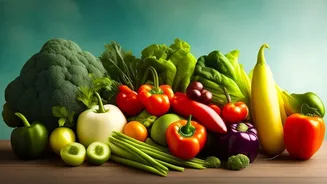
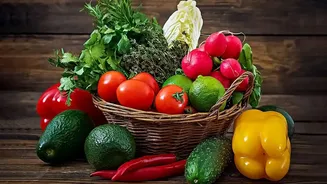
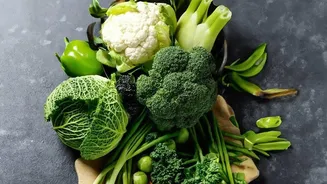
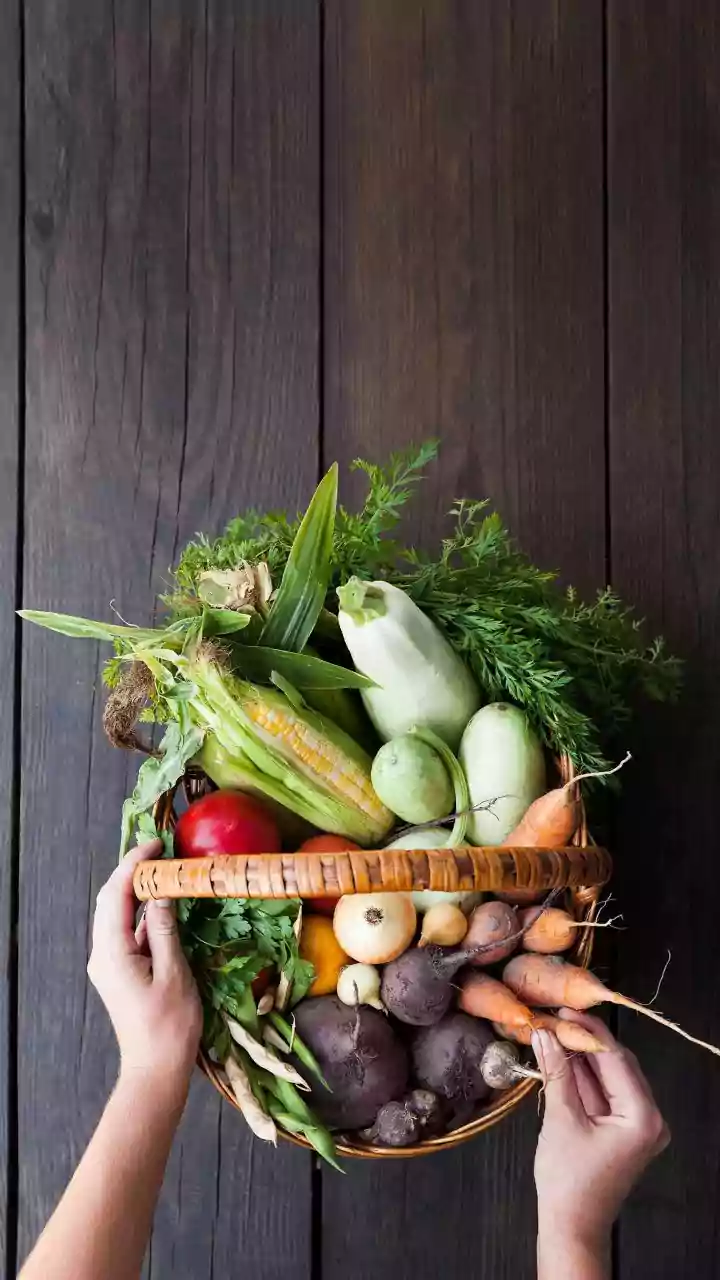
Not all vegetables are created equal when it comes to shelf life. Hardy root vegetables like potatoes and carrots can last for weeks, but delicate produce needs immediate attention. Your use-first box should be reserved for these fast-spoiling items. This includes leafy greens like spinach and lettuce, which can wilt quickly, and fresh herbs like parsley and cilantro. Other candidates for the box are broccoli, cucumbers, mushrooms, and bell peppers, all of which tend to have a shorter lifespan of just a few days to a week. Berries and stone fruits that have been ripened on the counter should also go into this priority zone once they are ready to eat.
Location Is Everything
The golden rule of the use-first box is visibility. If you tuck it away in a bottom drawer, you defeat the purpose. Place your designated container on an upper or middle shelf, right at eye level. Every time you open the refrigerator door, it should be one of the first things you see. This constant visual cue prompts you to grab that handful of spinach for your eggs or toss those sliced mushrooms into a stir-fry. Some people even put a label on the shelf or container that reads 'Eat Me First' as an extra reminder for the whole family. The goal is to break the 'out of sight, out of mind' cycle that leads to so much food waste.
Prep for Success
To make using your delicate produce even more effortless, a little preparation goes a long way. When you get home from the store, take a few minutes to prep items before they go into the use-first box. For example, you can wash and thoroughly dry leafy greens, then store them in the container with a paper towel to absorb excess moisture. Carrots and celery can be chopped into sticks and stored in water in an airtight container to keep them crisp. By doing the chopping and cleaning in one go, you remove the barriers to using them later. When you’re tired after a long day, having ready-to-use vegetables makes it much easier to cook a healthy meal instead of reaching for something less nutritious.
Build a System Around the Box
The use-first box works best when it's part of a broader strategy for reducing food waste. This starts at the grocery store. Before you shop, take inventory of your fridge and pantry to see what you already have. Plan your meals for the week, prioritizing recipes that use up the most perishable ingredients first. It's also important to understand proper storage for all your produce. Some fruits, like apples and bananas, release ethylene gas, which can cause other nearby produce to ripen and spoil faster. Keep these items separate from ethylene-sensitive vegetables like broccoli and leafy greens. By combining smart shopping, proper storage, and your dedicated use-first box, you create a comprehensive system that keeps your kitchen running efficiently.