


Long before kale and quinoa became global sensations, Indian kitchens were powered by a host of nutritious ancient grains. This guide brings that wisdom back, offering simple tips to help you embrace traditional staples for a healthier you.
What Exactly Are Ancient Grains?
Ancient grains
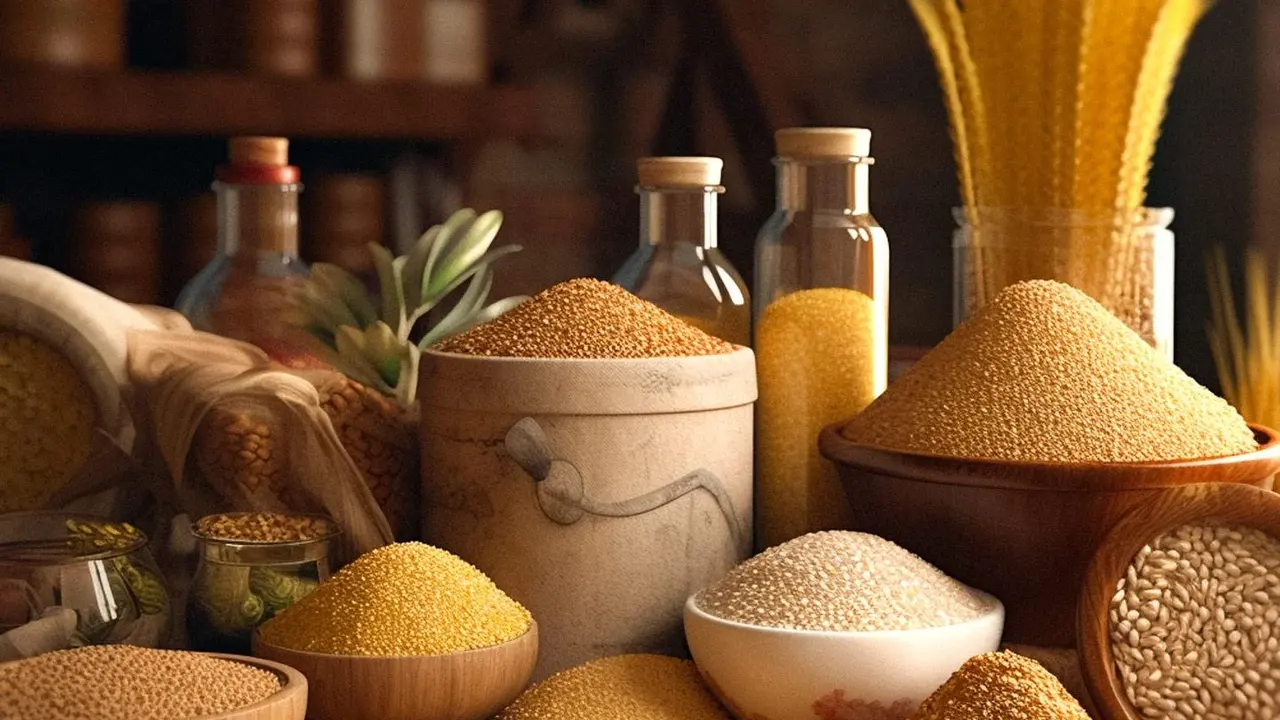
are a group of cereals and seeds that have remained largely unchanged for thousands of years. Unlike modern wheat, which has been extensively modified for higher yields, these grains retain their original genetic makeup. In India, this isn't a new trend but a return to our roots. Grains like jowar (sorghum), bajra (pearl millet), ragi (finger millet), and amaranth (rajgira) were dietary staples for millennia before falling out of favour during the Green Revolution. They are now making a well-deserved comeback, celebrated for their robust nutritional profiles and connection to traditional food wisdom.
Why You Should Make the Switch
Incorporating ancient grains into your diet offers a wealth of benefits. They are generally higher in fibre, protein, and essential micronutrients like iron and calcium compared to refined flours. Many ancient grains, such as millets and amaranth, are naturally gluten-free, making them an excellent choice for those with sensitivities. Their high fibre content supports better digestion and can help in managing blood sugar levels by providing a slower, more sustained release of energy. Studies suggest that a diet rich in these grains can contribute to better heart health and overall wellness.
Get to Know: Jowar (Sorghum)
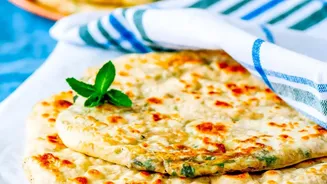
Jowar is a versatile, gluten-free millet with a mild, earthy flavour. It's a staple in Maharashtra and Karnataka, commonly used to make bhakri (a type of flatbread). To cook with jowar flour, use hot water to make a soft, pliable dough, as this helps it bind without gluten. Whole jowar grains require soaking for at least 8-12 hours before cooking. Once soaked, you can pressure cook them with a 1:3 grain-to-water ratio for about 5-6 whistles. The cooked grains have a pleasant chew and are perfect for making upma, salads, or a nutritious khichdi.
Get to Know: Bajra (Pearl Millet)
Known for its warming properties, bajra is a traditional winter favourite in Rajasthan and Gujarat. It is packed with iron and fibre. Like jowar, bajra flour needs warm or hot water to form a dough for making bhakri or rotis. For a delicious bajra khichdi, soak the whole grains overnight, then pressure cook them with moong dal and spices until soft and creamy. You can also make a simple and nutritious porridge, known as 'raab', by simmering bajra flour in ghee, water, and a touch of jaggery.
Get to Know: Ragi (Finger Millet)
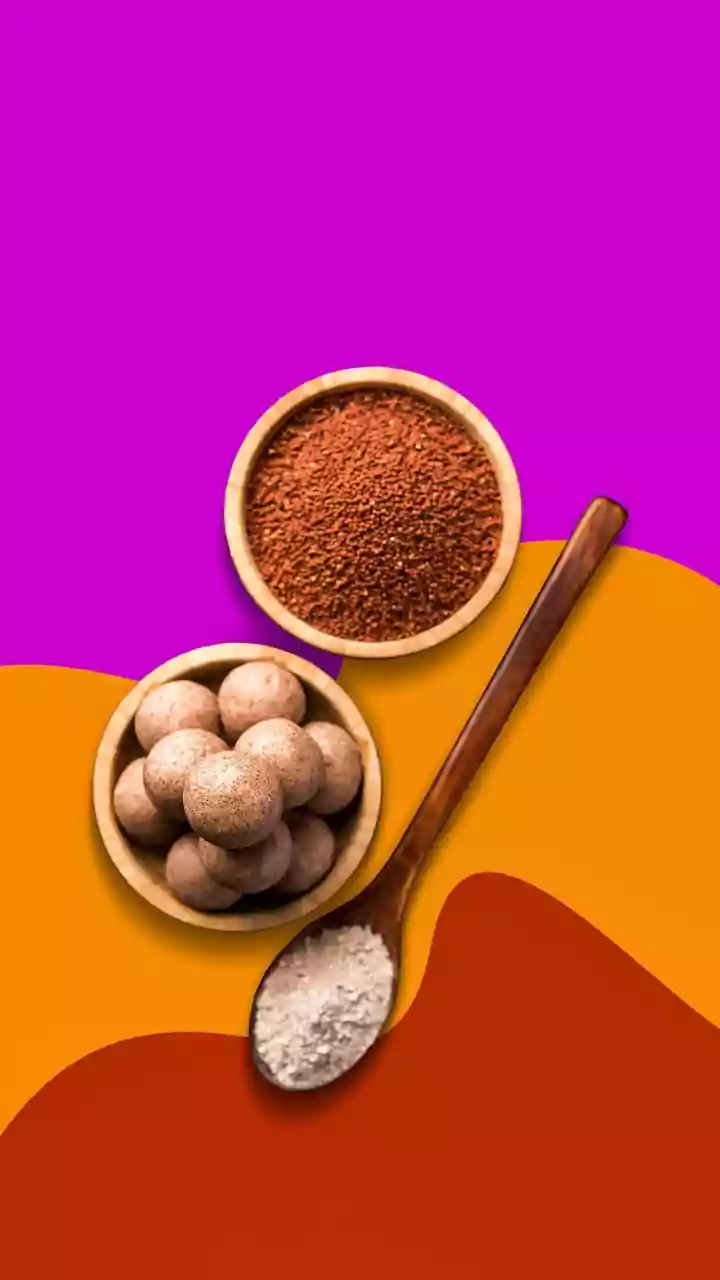
Ragi is a nutritional powerhouse, renowned for being exceptionally rich in calcium. Its dark, reddish-brown flour has a distinct flavour and is a staple in South India. It's famously used to make ragi mudde (steamed balls), dosas, and healthy porridge for all ages. To make an instant ragi dosa, simply mix ragi flour with rice flour, water, and spices to form a thin batter and cook on a hot tawa. For a fermented version, ragi grains can be soaked with urad dal and ground into a batter, similar to traditional dosa.
Get to Know: Amaranth (Rajgira)
Technically a seed, amaranth is often called a 'pseudocereal' and is revered for its high protein content, containing all nine essential amino acids. In India, rajgira is popular during fasting periods. The tiny grains can be cooked into a porridge with a 1:3 grain-to-water ratio, simmering for about 20 minutes until creamy. You can also pop the grains like popcorn. Heat a dry, high-sided pan until very hot, add a tablespoon of seeds, and shake until they pop. These popped seeds make a fantastic crunchy topping for salads, yoghurt, or bhel.
Simple Tips for Easy Adoption
Starting with ancient grains doesn't have to be complicated. Begin by mixing a small portion of millet flour, like jowar or bajra, into your regular whole wheat atta for rotis. This simple step boosts the fibre content of your daily bread. Try swapping rice with cooked whole millets in dishes like pulao or lemon rice. Soaking grains like jowar and bajra overnight is a crucial step that not only reduces cooking time but also makes them easier to digest. Finally, start with one grain, get comfortable with its texture and cooking method, and then expand your pantry from there.