



Plan for Possibilities, Not Just Perfection
Flexibility starts long before you pack your bags. When booking accommodation and activities, look for options with generous cancellation or rescheduling policies. Paying a little extra for a refundable hotel room can save you a huge headache if a winter
storm closes the mountain pass. Likewise, consider travel insurance that covers trip interruptions due to weather. Instead of creating a rigid, minute-by-minute schedule, create a list of 'must-do' and 'nice-to-do' activities. This allows you to prioritize based on conditions. If the high-altitude hike you planned is facing gale-force winds, you can swap it for a lower-elevation snowshoe trail or an afternoon exploring a local town without feeling like your day is ruined.
Pack Smarter, Not Just Heavier
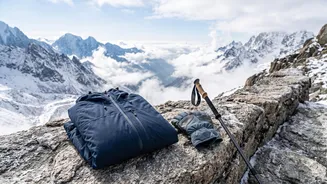
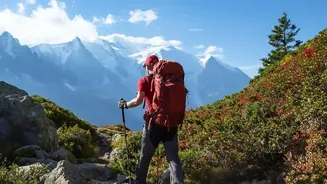
Layering is essential, but the right materials matter most. Start with a moisture-wicking base layer made of merino wool or a synthetic fabric to pull sweat away from your skin. Add an insulating mid-layer like fleece or a down vest, and top it off with a waterproof and windproof outer shell. Don't forget accessories that make a huge difference: insulated waterproof boots, wool socks, gloves or mittens, and a warm hat are non-negotiable. For safety, always carry a headlamp, even on a day trip, as winter days are short. Microspikes or other traction devices for your shoes can be lifesavers on icy trails and sidewalks. Finally, sun protection is critical, as snow can reflect up to 80% of UV rays.
Master Your Mountain Driving
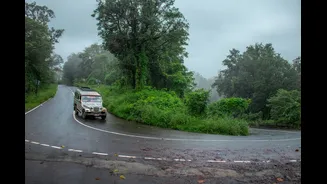
Your vehicle is a critical piece of your safety equipment. Before you leave, ensure your tires are properly inflated and have adequate tread; winter tires are highly recommended for mountain travel. Always start your journey with a full tank of fuel, as you may burn more than expected on steep grades or get stuck in weather-related traffic. Check road conditions before you depart and have an emergency kit in your car that includes blankets, water, snacks, a shovel, and a de-icing spray. On the road, slow down significantly. It can take much longer to stop on snow and ice. Avoid using cruise control and maintain a generous following distance. If you're driving downhill on a steep, snowy road, shift into a lower gear to let the engine help control your speed and prevent your brakes from overheating.
Know the Signs and When to Turn Back
Before any outdoor activity, check the local avalanche forecast. Many mountain regions have dedicated centers that provide daily risk assessments. Learn to recognize signs of unstable snow, such as recent avalanches, visible cracking in the snowpack, or a hollow 'whumping' sound as you walk. Be especially cautious on slopes between 30 and 45 degrees, which are the most prone to avalanches. Pay attention to the weather around you. Conditions can change in minutes. If clouds roll in, the wind picks up dramatically, or visibility drops, don't be ashamed to turn back. Having a designated turnaround time is a smart strategy to ensure you're back before dark or before the weather worsens. Ambition should never override safety.
Embrace Your Plan B
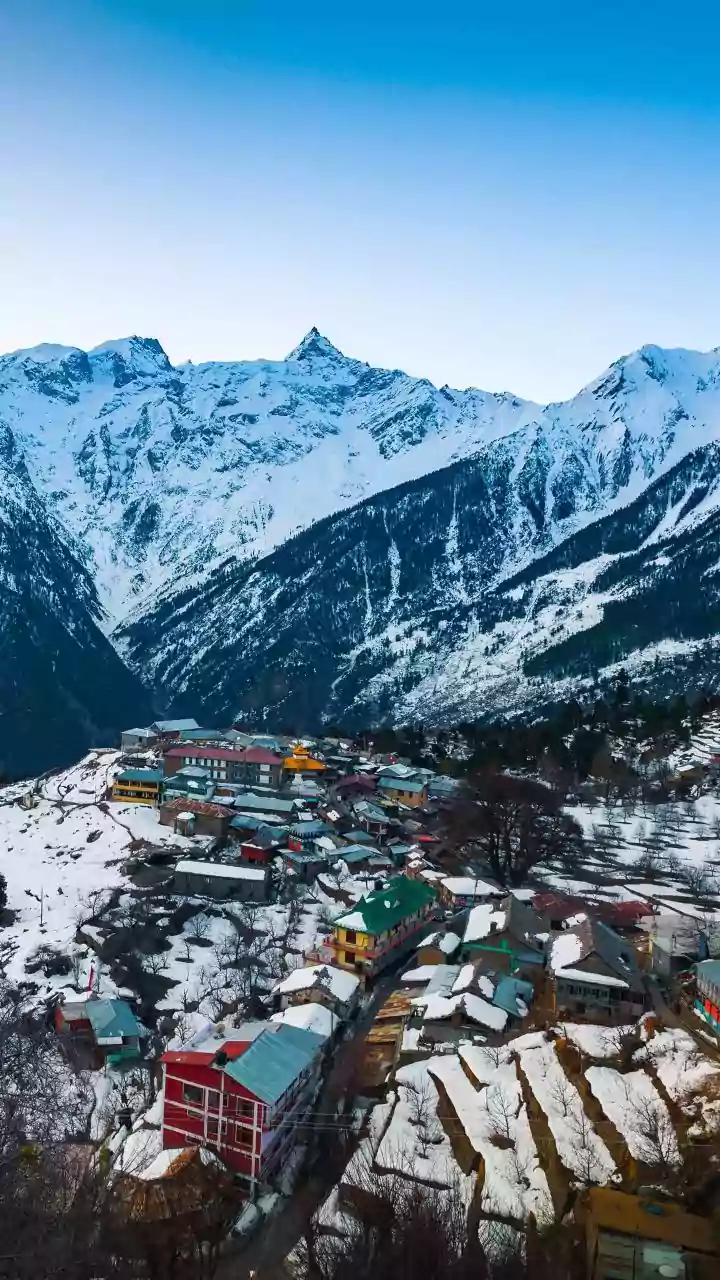
A 'bad weather' day doesn't have to be a bad vacation day. Research some indoor or low-key alternatives in the area before your trip. Many mountain towns have charming main streets with local shops, cozy cafes, and surprisingly good restaurants. You might discover a local history museum, an indoor climbing gym, or a bowling alley. Some travelers enjoy a winter picnic in a sheltered park or even a snowman-building competition. A stormy day can be the perfect excuse to simply relax by a fire with a good book or visit a local spa. Seeing the weather as part of the experience, rather than an obstacle to it, is the ultimate form of flexibility.