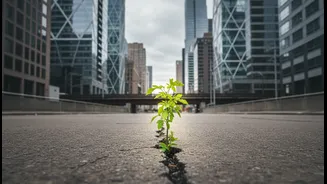









The Urban Paradox: Growth vs. Wellbeing
India is urbanizing at an unprecedented rate, with millions moving to cities for better opportunities. This migration fuels economic growth but also creates a high-pressure environment. The very fabric of city life—long commutes, demanding jobs, and crowded
spaces—contributes to sedentary lifestyles and chronic stress. While cities offer access to better infrastructure, the rapid, often unplanned growth has led to challenges like pollution and a lack of safe public spaces for recreation. This paradox means that while opportunities are abundant, the environment can be detrimental to our physical and mental health, making the pursuit of a healthy lifestyle not just a choice, but a necessity for survival and thriving.
The Fitness Conundrum in Concrete Jungles
For many urban Indians, fitness has become a complex puzzle. Sedentary desk jobs have replaced physically active occupations, and long working hours leave little time or energy for exercise. However, this challenge has also sparked a wellness revolution. Cities are now dotted with gyms, yoga studios, and CrossFit boxes. The digital boom has brought fitness to our fingertips through apps and online classes, making it more accessible than ever. Still, the most popular activities remain simple ones like walking and jogging, highlighting a desire for accessible, low-cost ways to stay active amidst the urban hustle. The key is moving from aspiration to consistent action, finding routines that fit a busy schedule rather than waiting for the perfect, often unattainable, fitness plan.
The Changing Indian Diet
The urban lifestyle has significantly altered India's dietary landscape. The convenience of processed foods, sugary snacks, and frequent dining out is a powerful lure for time-starved city dwellers. This has led to a shift away from traditional, balanced home-cooked meals. Studies show that while urban diets may be higher in calories on average, they often lack nutritional diversity. Consumption of fruits and vegetables is frequently below recommended levels for a vast majority of the population. This nutritional shift is a key driver behind the alarming rise of lifestyle diseases like diabetes, obesity, and cardiovascular conditions in urban centres. Conscious eating, therefore, becomes a crucial act of self-care, requiring deliberate effort to prioritize whole foods and mindful nutrition.
The Mental Wellbeing Imperative
Perhaps the most significant, yet often overlooked, casualty of urban life is mental wellbeing. The constant pressure of a fast-paced, competitive environment contributes to high levels of stress, anxiety, and burnout. Factors like financial strain, social media comparison, and a breakdown of traditional community support systems can lead to a pervasive sense of loneliness and isolation, even when surrounded by millions. Research indicates that the prevalence of mental health disorders is significantly higher in urban metro areas compared to rural parts of the country. Acknowledging these pressures is the first step. Prioritizing mental health through mindfulness, setting boundaries, seeking professional help, and fostering genuine connections is no longer a luxury but an essential survival tool for navigating modern city life.