



The Plant-Based Iron Challenge
One of the key nutrients everyone needs is iron, which is crucial for energy and transporting oxygen in your blood. Iron comes in two forms: heme, found in animal products, and non-heme, found in plants. Heme iron is absorbed relatively easily by the body.
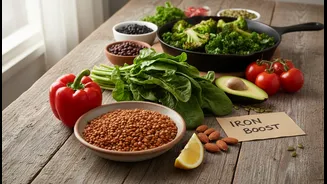
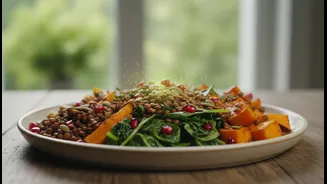
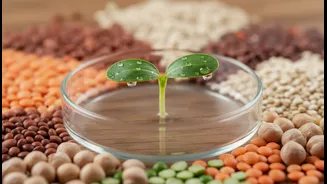
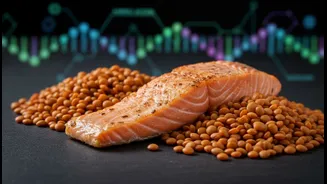
Non-heme iron, the type found in delicious plant-based staples like lentils, beans, tofu, and spinach, is a bit trickier for our bodies to absorb. Its absorption rate can be quite low and is heavily influenced by the other foods you eat in the same meal.
Vitamin C to the Rescue
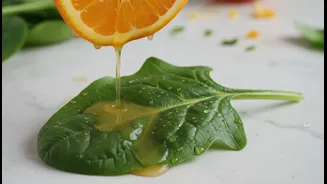
This is where vitamin C becomes a plant-based diet's superhero. When you consume vitamin C along with a source of non-heme iron, it works a kind of nutritional magic. Scientifically speaking, vitamin C (ascorbic acid) helps convert the plant-based iron from its ferric (Fe3+) state into the more soluble ferrous (Fe2+) state, which your intestines can absorb much more readily. Studies have shown this simple pairing can dramatically increase iron absorption, in some cases doubling or even tripling the amount your body can use. It also helps counteract substances in some plant foods, like phytates and polyphenols, that can inhibit iron uptake.
Smart and Simple Food Pairings
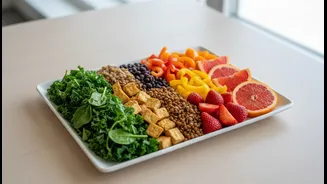
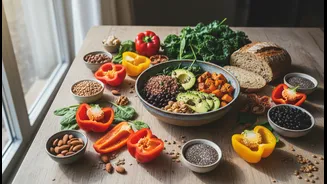
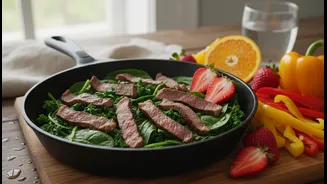
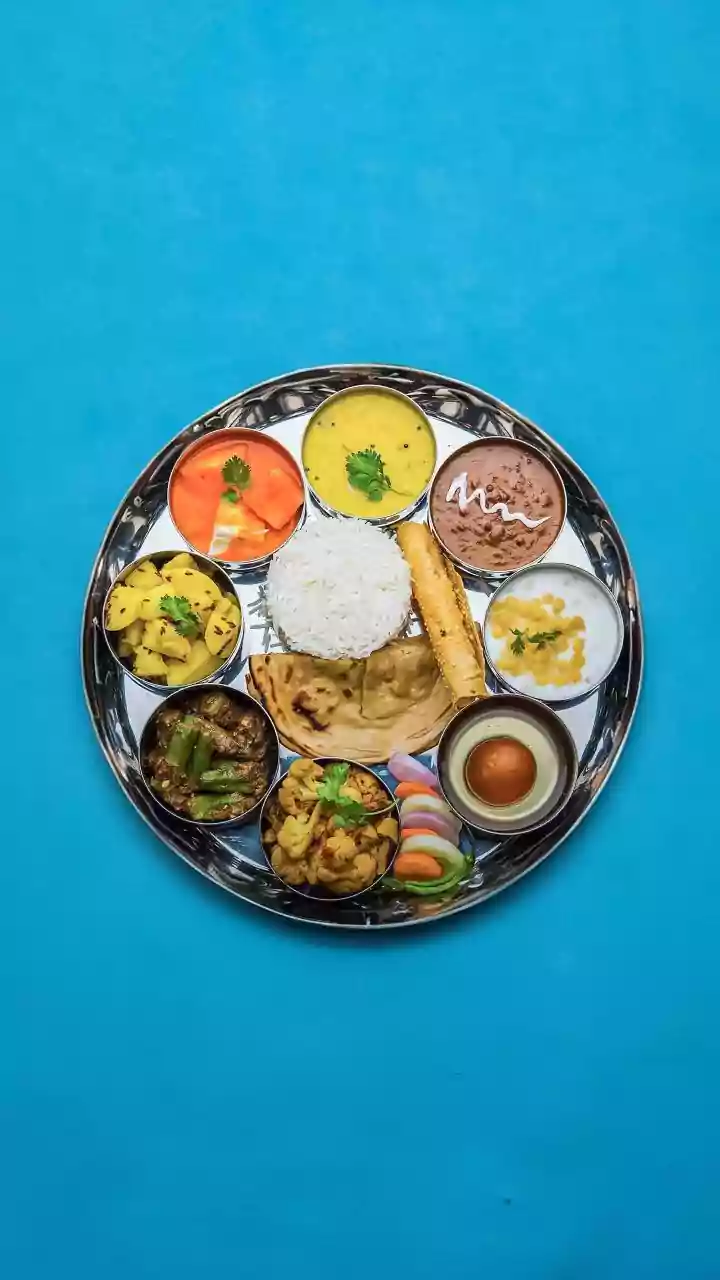
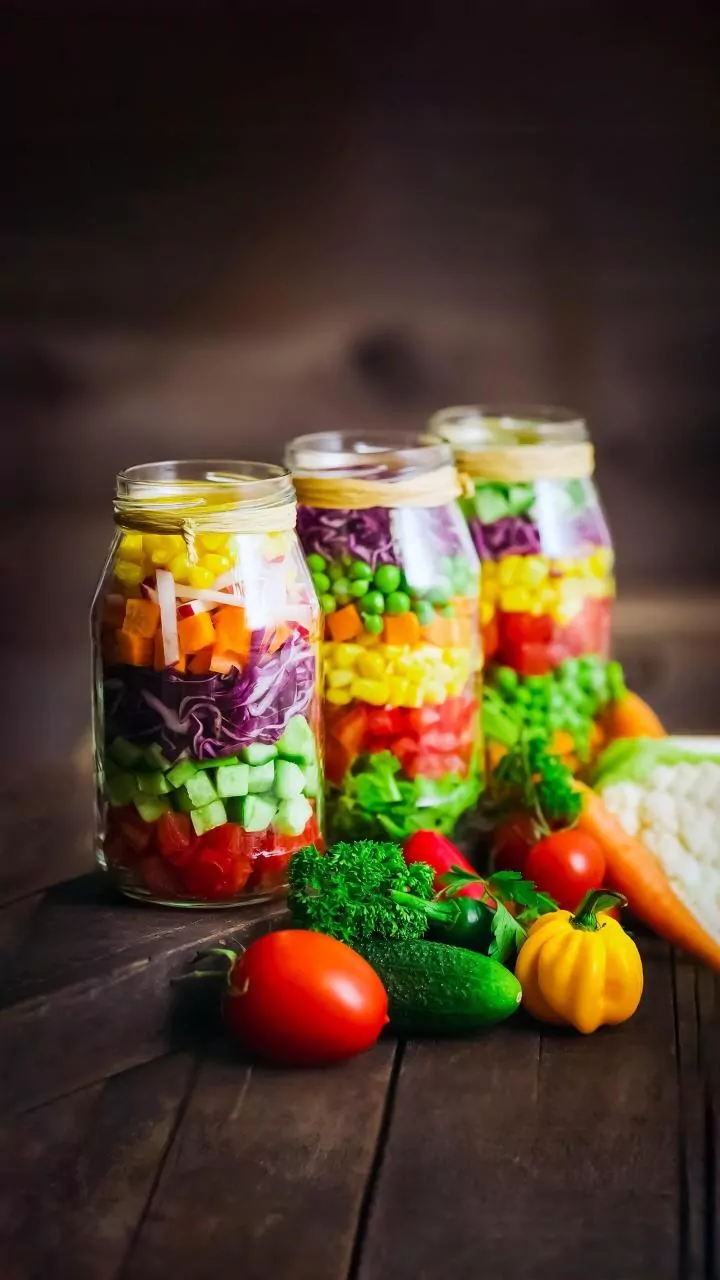
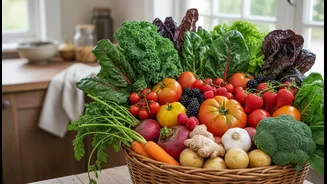
Putting this knowledge into practice is both easy and delicious. The goal is to eat a vitamin C-rich food in the same meal as an iron-rich one. Think in terms of combinations. A morning bowl of oatmeal (a source of iron) topped with fresh strawberries is a classic example. For lunch, a spinach salad (packed with iron) becomes more powerful with a lemon juice-based dressing or the addition of bell pepper strips. Making a lentil soup or a chickpea curry? Be sure to include tomatoes, as their vitamin C will help you absorb the iron from the legumes. Other powerful duos include pairing tofu with broccoli, black beans with salsa, or snacking on a handful of nuts with an orange.
Beyond Just Iron Absorption
While the focus on vitamin C pairings is often centered on iron, the benefits don't stop there. Vitamin C is a powerful antioxidant that supports a healthy immune system by stimulating white blood cell activity to fight infections. It also plays a vital role in producing collagen, the protein essential for healthy skin, joints, and connective tissues. This is particularly relevant for those on a plant-based diet, as collagen itself is an animal product. Ensuring adequate vitamin C intake helps your body synthesise its own, keeping your skin and joints healthy.
What to Be Mindful Of
Just as vitamin C enhances absorption, some compounds can hinder it. The main inhibitors are polyphenols, particularly tannins found in tea and coffee, and phytates, which are present in whole grains and legumes. Does this mean you have to give up your favourite morning cuppa? Not at all. The key is timing. Try to avoid drinking tea or coffee with your main, iron-rich meals. Simply leaving an hour or so between your meal and your beverage can make a significant difference in how much iron your body can access. As for phytates, methods like soaking, sprouting, or fermenting legumes and grains can help reduce their levels.