





The Psychology of a Peaceful Space
The link between our environment and our mental state is powerful. Studies have shown that cluttered, chaotic spaces can increase levels of cortisol, the body's primary stress hormone. This visual noise competes for our attention, drains our cognitive
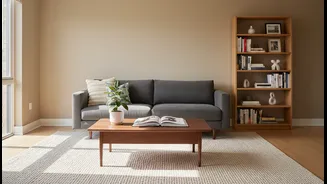
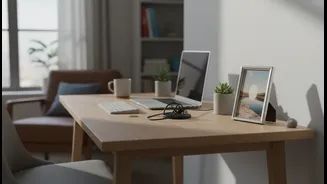
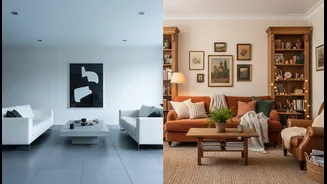
resources, and makes it difficult to focus or relax. When your home is filled with excess items, every surface becomes a reminder of tasks to be done, which can lead to feelings of frustration and being overwhelmed. In contrast, an organized environment promotes a sense of control and calmness. By reducing visual stimuli, you are not just cleaning your house; you are creating a sanctuary that supports mental clarity and reduces the background stress of daily life.
Embrace Strategic Simplicity
The foundation of a low-maintenance home is having less stuff to manage. Adopting a minimalist mindset, even in a small way, can drastically cut down on cleaning and organizing time. This isn’t about getting rid of everything you own, but about being intentional with what you keep. A great place to start is the “one in, one out” rule: for every new item you bring into your home, one similar item must leave. This simple habit prevents the slow accumulation of clutter. Another approach is to start small by tackling one drawer or surface at a time, which builds momentum without feeling overwhelming. By curating your belongings, you not only make cleaning easier but also create a space filled only with things that are useful or loved.
Choose Low-Maintenance Materials
Your long-term maintenance burden is often decided before you even move in, through the materials and finishes you choose. Opting for durable and easy-to-clean surfaces pays dividends in time and effort. For flooring, consider materials like porcelain tiles or luxury vinyl plank, which are resistant to stains and moisture. When it comes to countertops, quartz is a popular choice because it is non-porous and doesn't require sealing. In living areas, furniture upholstered with performance fabrics can resist stains and wear. Even small choices, like opting for matte finishes on faucets to resist water spots or choosing simple cabinet doors without deep grooves, can reduce your cleaning time significantly.
Create Systems for Effortless Order
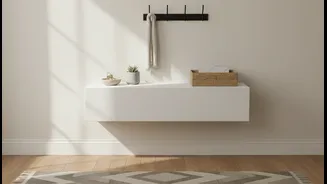
A calm home runs on simple, intuitive systems that reduce decision-making. The goal is to make tidying up a natural, almost thoughtless process. This starts with the principle that everything should have a designated home. When items have a specific place to be stored, you spend less time searching for them and less effort putting them away. Creating drop zones near entryways for keys, mail, and bags can contain clutter before it spreads through the house. In the kitchen, pantry organizers and pull-out shelves keep things tidy and accessible. These systems don’t need to be complicated; in fact, the simpler they are, the more likely you are to stick with them, making daily resets quick and easy.
Design That Calms the Senses
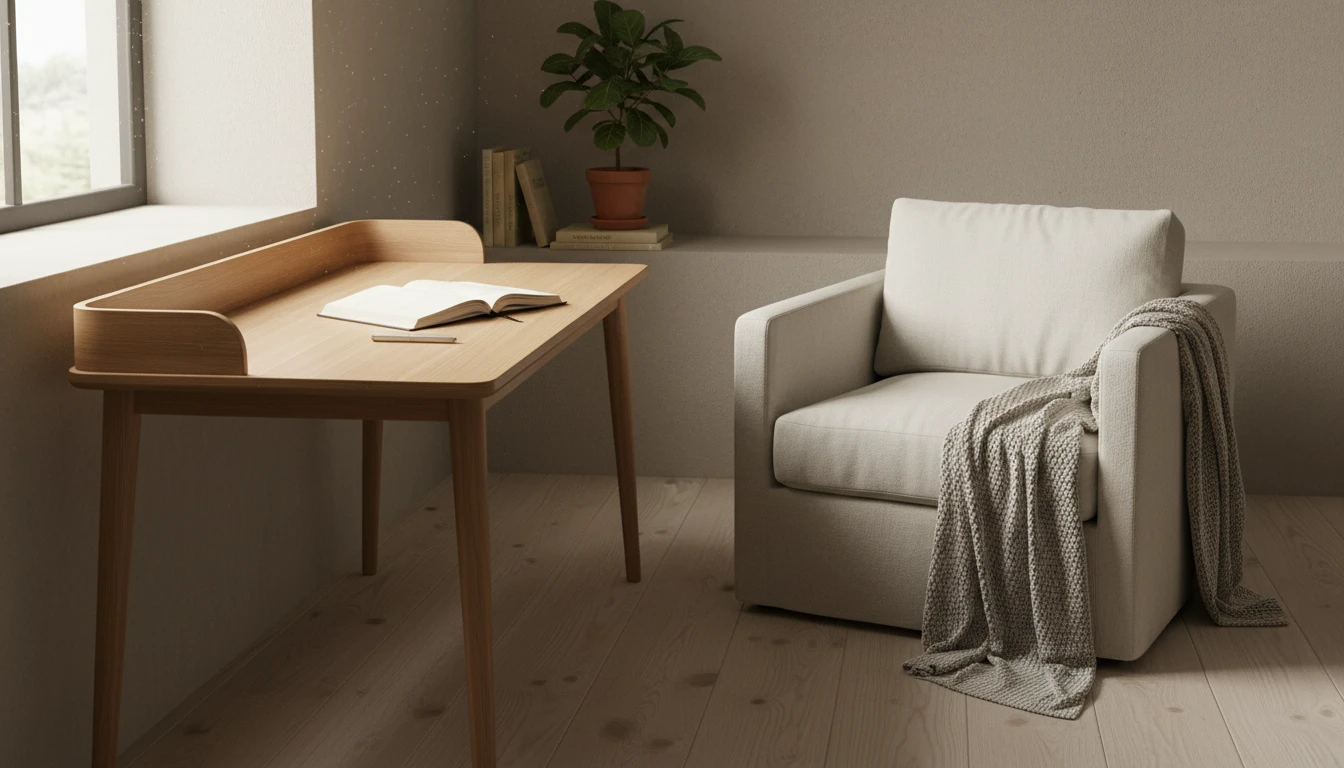
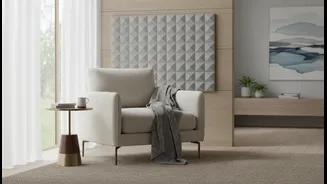
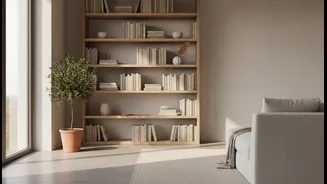
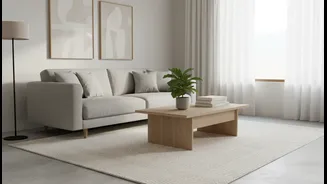
Beyond decluttering, the aesthetic elements of your home play a crucial role in creating a tranquil atmosphere. A neutral and cohesive color palette can make a space feel more serene and visually organized. Good lighting, especially natural light, has a profound impact on mood. Maximizing daylight and using layered artificial lighting can make a home feel more open and inviting. Incorporating plants can also add a touch of life and peace, with many low-maintenance options available like snake plants or succulents. Ultimately, a calm home is one that is designed with intention—a space where the layout, materials, and systems all work together to support a more peaceful and effortless life.