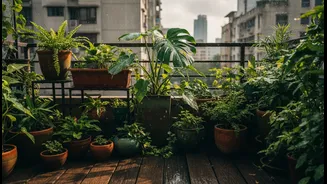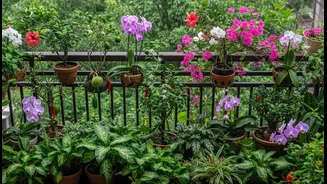




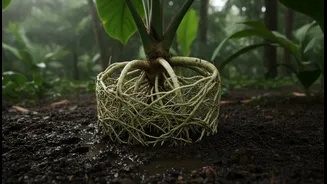


Start with the Right Foundation: Soil and Drainage
The single most important defence against monsoon root rot happens before the first downpour. Heavy, clay-based garden soil is a death trap for potted plants during the rainy season. It holds too much water, compacts easily, and suffocates roots. Instead,
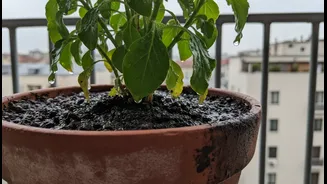
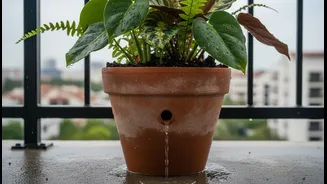
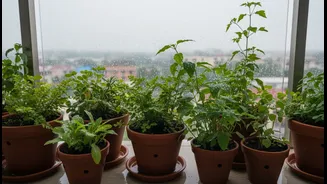
opt for a light, well-draining potting mix. A good combination usually includes equal parts coco peat, compost, and coarse sand or perlite. This mixture provides nutrients while allowing excess water to escape quickly. Before the rains set in, inspect every pot. Ensure drainage holes are present and clear of debris. Elevating your pots on stands, bricks, or 'pot feet' is a simple but highly effective trick to improve drainage and airflow, preventing water from pooling at the base.
Rethink Your Watering Schedule
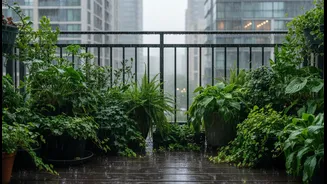
The biggest mistake balcony gardeners make during the monsoon is watering on a fixed summer schedule. With high humidity and frequent showers, the soil stays moist for much longer. Overwatering is the primary cause of root rot. The rule is simple: water only when necessary. Get into the habit of checking the soil with your finger. If the top 1-2 inches feel dry to the touch, it's time to water. If it feels damp, leave it alone. Plants under a covered balcony will still need watering, but far less frequently than those exposed to direct rain. On days with heavy rainfall, your plants likely won't need any extra water at all.
Know the Telltale Signs of Distress
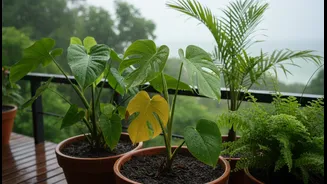
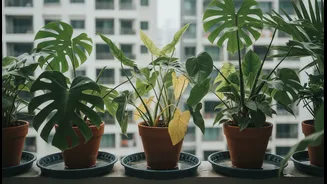
Plants often signal that they are in trouble. Learning to read these signs allows you to act quickly. Yellowing or limp leaves are a classic sign of overwatering. Unlike the crispy brown edges of an underwatered plant, overwatered leaves feel soft and wilted. Another paradoxical sign is wilting; a plant with rotting roots can't absorb water, so it droops despite being in wet soil. You might also notice a foul, musty smell from the soil, indicating that roots are decaying. Fungus gnats, tiny flies that hover over the soil surface, are another indicator that the soil is staying too wet for too long.
Provide Shelter and Improve Airflow
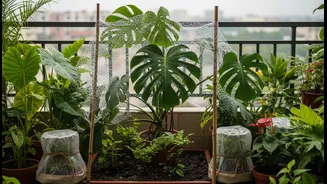
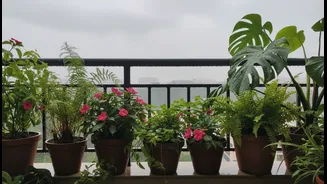
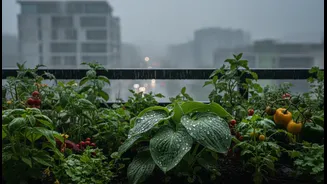
While many tropical plants love humidity, constant, direct downpours can be damaging. For more delicate species, or those known to be rot-prone like succulents, consider moving them to a more sheltered spot under an awning or against a wall. Good air circulation is also crucial for preventing fungal diseases, which thrive in damp, stagnant conditions. Avoid overcrowding your pots. Pruning overgrown branches and removing excess foliage can significantly improve airflow around the plants, helping leaves and soil dry out faster between showers.
Go Easy on the Fertiliser
The lush growth during the monsoon might tempt you to feed your plants more, but it's best to be cautious. Heavy rains can quickly leach chemical fertilisers from the soil, washing them away before the plant can use them or, worse, causing root burn in waterlogged soil. During this season, it's better to use less fertiliser. Opt for slow-release organic options like compost or vermicompost, applying a light top dressing every few weeks to provide a steady, gentle supply of nutrients. Hold off on heavy feeding until the rains recede.
Emergency Room: How to Save a Plant from Root Rot
If you suspect root rot has already set in, quick action is required. Gently remove the plant from its pot and wash away the soil to inspect the roots. Healthy roots are typically firm and white or light-coloured. Rotting roots will be brown or black, mushy, and may fall apart when touched. Using a clean, sterilised pair of scissors or shears, carefully trim away all the affected, mushy roots until only healthy tissue remains. It's crucial to be thorough, as even a small amount of rot can spread. After trimming, repot the plant in a clean pot with fresh, well-draining soil. Do not reuse the old, contaminated soil. Water sparingly and place the plant in a spot with bright, indirect light to recover.