


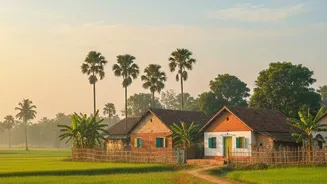
As mist drapes the Indian landscape and the sun casts a golden glow, winter emerges as the perfect season for wildlife enthusiasts. The crisp, cool air and sparser foliage create ideal conditions for unforgettable encounters with the subcontinent's most
iconic creatures.
Jim Corbett National Park, Uttarakhand
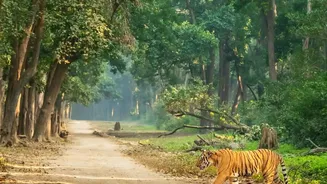
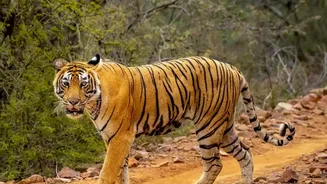
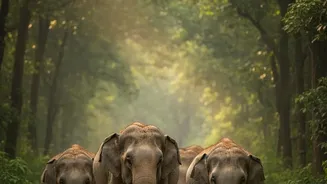
As India's oldest national park, Jim Corbett is a legendary destination for wildlife lovers. Located in the Himalayan foothills, its diverse terrain of riverine belts, grasslands, and dense sal forests comes alive in winter. The period from November to February is widely considered one of the best times to visit, with pleasant daytime temperatures making for comfortable safaris. This season offers clearer visibility as the vegetation thins out, and the chances of spotting the majestic Bengal tiger often increase as they bask in the winter sun. Beyond tigers, Corbett is a haven for elephants, leopards, and over 600 species of birds, with many migratory species arriving during these cooler months. The crisp mornings, often accompanied by a light fog that adds a mystical quality to the landscape, provide a stunning backdrop for photography and wildlife observation.
Ranthambore National Park, Rajasthan
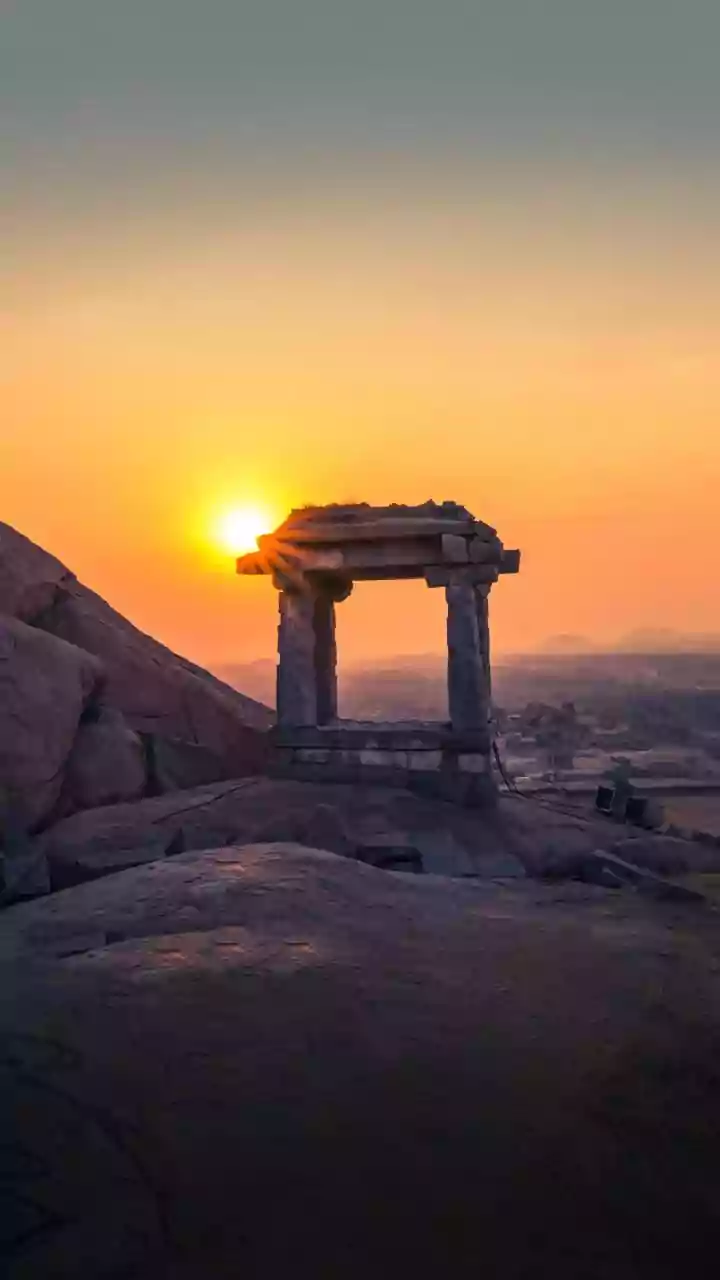
Ranthambore offers a dramatic and unique safari experience, where wildlife roams amidst ancient ruins. The landscape is defined by the 10th-century Ranthambore Fort, which overlooks a forest of rocky hills and lakes. The winter months, from October to March, are considered the best time to visit, with cool, pleasant weather. During this period, tigers are often more active during the day and can be seen near the park's famous lakes, like Rajbagh and Padam Talao. The dry, deciduous forest provides less cover than in other seasons, improving visibility for spotting not just tigers but also leopards, sloth bears, and various species of deer. The comfortable climate allows for extended safari hours, maximising the opportunity to explore the different zones of the park, with zones 2, 3, and 4 being particularly known for frequent sightings. The combination of history and wildlife makes a winter trip to Ranthambore truly memorable.
Kaziranga National Park, Assam
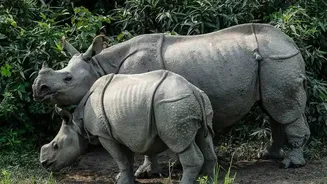
For those seeking the magnificent greater one-horned rhinoceros, Kaziranga National Park is the world's premier destination. This UNESCO World Heritage Site in Assam is a landscape of vast grasslands, wetlands, and forests shaped by the mighty Brahmaputra River. The park remains closed during the monsoon due to flooding, making the winter season (November to April) the essential time to visit. The weather from November to February is mild and dry, perfect for both jeep and elephant safaris. Kaziranga is home to the world's largest population of one-horned rhinos, and sightings are very common. The park is also a designated Tiger Reserve and provides a habitat for elephants, wild water buffalo, and swamp deer. For birdwatchers, winter is especially rewarding as resident species are joined by a host of migratory birds.
Bandhavgarh National Park, Madhya Pradesh
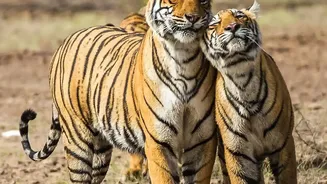
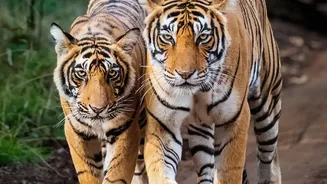
If your primary goal is to see a tiger, Bandhavgarh National Park boasts one of the highest tiger densities in all of India. This high concentration significantly increases the probability of a sighting during a safari. The park, set around the ancient Bandhavgarh Fort, features a mix of sal forests, grasslands, and bamboo groves. The winter season brings pleasant weather, with tigers often seen sunbathing in open meadows. While the lush post-monsoon foliage can be dense initially, it thins out as winter progresses, improving visibility. The cooler temperatures also mean the predators are more active throughout the day. Besides tigers, the park is home to leopards, sloth bears, and Indian gaur. Its reputation for reliable tiger encounters makes it a top choice for serious wildlife photographers and first-time safari-goers alike.