



Understanding the 'Poshan Maah' Initiative
Each year, the month of September is observed as 'Rashtriya Poshan Maah' or National Nutrition Month, a cornerstone of the government's flagship POSHAN Abhiyaan mission. Launched in 2018, the program aims to improve nutritional outcomes for children,
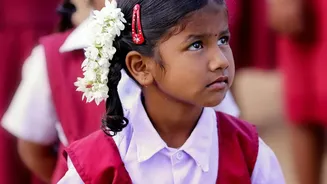
pregnant women, and lactating mothers by making nutrition a 'Jan Andolan' or people's movement. This year marks the 9th edition of the campaign, which will be launched from Varanasi on September 9. The 2026 theme, “Hamari Anganwadi, Hamari Jimmedari” (Our Anganwadi, Our Responsibility), places community ownership at the heart of the initiative, encouraging citizens to take an active role in their local Anganwadi centres.
Why the Spotlight on Protein?
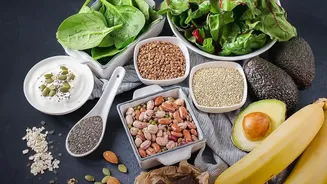
A primary focus of this year's Poshan Maah is tackling protein deficiency, a persistent and significant health challenge in India. Many traditional Indian diets, while rich in carbohydrates like rice and wheat, often fall short on adequate protein intake. This gap is critical because protein is an essential macronutrient for physical growth, muscle repair, immune function, and overall development, especially in children. Low protein intake can lead to weakened immunity, fatigue, and reduced metabolic health. The campaign aims to conduct widespread awareness activities demonstrating practical and affordable ways to incorporate more protein-rich foods—such as dals, pulses, legumes, nuts, milk products, and eggs—into daily meals. The goal is to move beyond simply filling stomachs to effectively nourishing the body.
The Power of a Diverse Plate
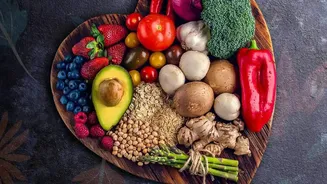
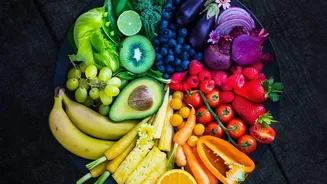
Alongside protein, the second key pillar of the nutrition push is 'dietary diversity'. This refers to the importance of consuming a wide variety of foods from different groups, rather than relying on a few staples. A diet heavy in cereals may provide calories but often lacks essential micronutrients like iron, zinc, and vitamins. This lack of variety is a major contributor to widespread issues like anaemia, which affects a large number of women and children in India. Poshan Maah 2026 aims to promote balanced diets that include not just cereals and millets, but also a healthy mix of pulses, fruits, vegetables, and dairy or animal-source foods. By encouraging variety, the initiative seeks to address these hidden deficiencies and improve overall health outcomes.
From National Policy to Community Action
The success of this nutrition push depends on translating national goals into local action. Anganwadi centres, which number around 1.4 million across the country, are the primary hubs for this campaign. This year, a key reform includes newly defined guidelines for serving fresh Hot Cooked Meals, with a mandate for weekly menu rotation using local and seasonal ingredients. Furthermore, every Anganwadi will now be required to display an SNP (Supplementary Nutrition Programme) Menu Board, making the daily food entitlements visible and transparent to the community. The establishment of Anganwadi Management Committees, comprised of local women, ASHA workers, and mothers, is designed to ensure community oversight and accountability, making sure the right nutrition reaches those who need it most.