






Which Regions Are Most Affected?
According to the India Meteorological Department (IMD), while much of north and central India is transitioning to drier weather, several other regions will continue to see rainfall. The primary areas of concern are the southern peninsula and parts of the northeast.
States like Kerala, Tamil Nadu, and Karnataka are expected to receive fairly widespread rain, with forecasts for isolated heavy spells. Specifically, the IMD has issued warnings for heavy rain in Kerala, Mahe, and Tamil Nadu from October 4-6, with South Interior Karnataka also likely to be affected around October 5-6. The northeast, including states like Arunachal Pradesh, Assam, and Meghalaya, is also predicted to experience scattered rainfall and thunderstorms through October 10.
Impact on Air Travel
Inclement weather is a common cause of air travel disruption. Even outside the peak monsoon, post-monsoon thunderstorms can reduce visibility and force delays. Heavy rain can slow down the rate at which aircraft can safely land, leading to a domino effect of delays across the network. Airports in cities like Chennai are historically more affected by the northeast monsoon, which brings its heaviest rain between October and December. Airlines often issue travel advisories when poor weather is expected, and passengers are strongly encouraged to check their flight status before heading to the airport. In cases of significant delays or cancellations due to weather, it's important to know your rights. DGCA regulations typically entitle passengers to a full refund or an alternative flight if the airline cancels the service.
Navigating Road Travel and Landslide Risks
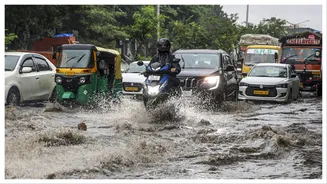
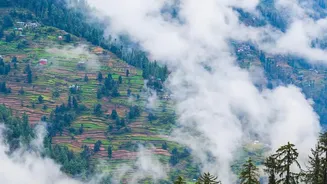
For those travelling by road, post-monsoon rain brings its own set of hazards, particularly in hilly and coastal areas. Waterlogging on city streets can cause significant traffic snarls, while hillside roads become vulnerable to landslides. The risk is especially pronounced in regions with fragile geology, like parts of the Himalayas and the Western Ghats. Unplanned construction can make slopes more unstable, and intense bursts of rain can trigger slips. Just this year, landslides have caused major disruptions, such as the blockage of the Yamunotri National Highway in July. Authorities are taking preemptive measures in some areas. For instance, night traffic on a stretch of NH-10, the key highway connecting Sikkim to the rest of the country, will be restricted in phases during October to carry out slope protection work and mitigate landslide risks. Travellers in hilly regions should stay updated on local road closures.
What the Forecast Says
The IMD's outlook for October suggests that while the country as a whole may see below-normal rainfall, regional variations are significant. The forecast for October 5-10 predicts fairly widespread rain and thunderstorms in several southern states, including Kerala, Coastal Karnataka, and Tamil Nadu. These regions may also experience gusty winds. In the east and northeast, states like Odisha, Bihar, Jharkhand, and Arunachal Pradesh are also on the list for isolated to scattered showers. Meanwhile, north India, including Delhi, is expected to remain largely dry, though some light rain may occur around October 6-8 before clearer weather returns.
Your Pre-Travel Checklist
Given the unpredictable nature of post-monsoon weather, preparation is key. Before you travel to or through an affected region, consider the following steps. First, always check the latest weather forecast from the IMD for your specific destination. Second, if you are flying, confirm your flight status directly with the airline before leaving for the airport. Third, for road trips, check for any announced road closures or landslide warnings, especially if your route passes through ghat sections or mountainous terrain. Pack a raincoat or umbrella, and ensure your electronic devices are protected from water. Finally, have a backup plan. Knowing your options for alternative routes or accommodation can save you a lot of stress if your original plans are disrupted by the weather.